Own your CIDP journey
Download Discussion Guide



Page Reviewed By
Dr. Sameer Chhibber
MD, FRCPC, CSCN-EMG
Developed in
COLLABORATION
COLLABORATION






In addition to the classic presentation of CIDP, there are four main variants.
There are multiple treatment options available in Canada to address CIDP. These include biologic therapies, immunoglobulin, plasma exchange, corticosteroids, immunosuppressants, and in rare cases, stem cell transplants. It’s important to work closely with your health care team to determine the option that works best for your lifestyle.
While diet does not treat CIDP, maintaining a healthy, balanced diet may help support overall health and potentially reduce systemic inflammation. Dietary patterns rich in fruits, vegetables, whole grains, and nutrient-dense foods (including plant-based options) provide antioxidants and key nutrients that support nerve health.
Physical activity can have many benefits for people living with CIDP. Working with a rehabilitation specialist can help you learn how to exercise safely and meet you where you are with your condition. Exercise can help to improve balance, limit falls, and rebuild or slow the loss of function.
CIDP is a challenging condition, both physically and mentally. It’s vital to have support for navigating the hardships of CIDP. Support groups like the GBS/CIDP Foundation of Canada can provide a safe place to share your experience, access resources, and talk to other people who know what you’re going through. At home, it’s helpful to have a designated family member or friend to keep you accountable to your goals and motivate you on tougher days.
Physical therapy works to improve strength and coordination and is especially important for people who are living with limited or reduced mobility.
Occupational therapy includes working with a specialist to learn new ways of approaching everyday tasks such as bathing, cooking, and dressing. This can be especially helpful for people with CIDP as they face progressive muscle weakness that can impact their daily lives.
A diagnosis of a rare progressive disorder like CIDP can take a heavy toll on your mental health. Finding professional support, through counsellors or registered psychotherapists, for example, can help to manage the stress, anxiety, and depression associated with this condition.
People with CIDP may need assistive devices such as walkers, canes, or wheelchairs to help them get around.
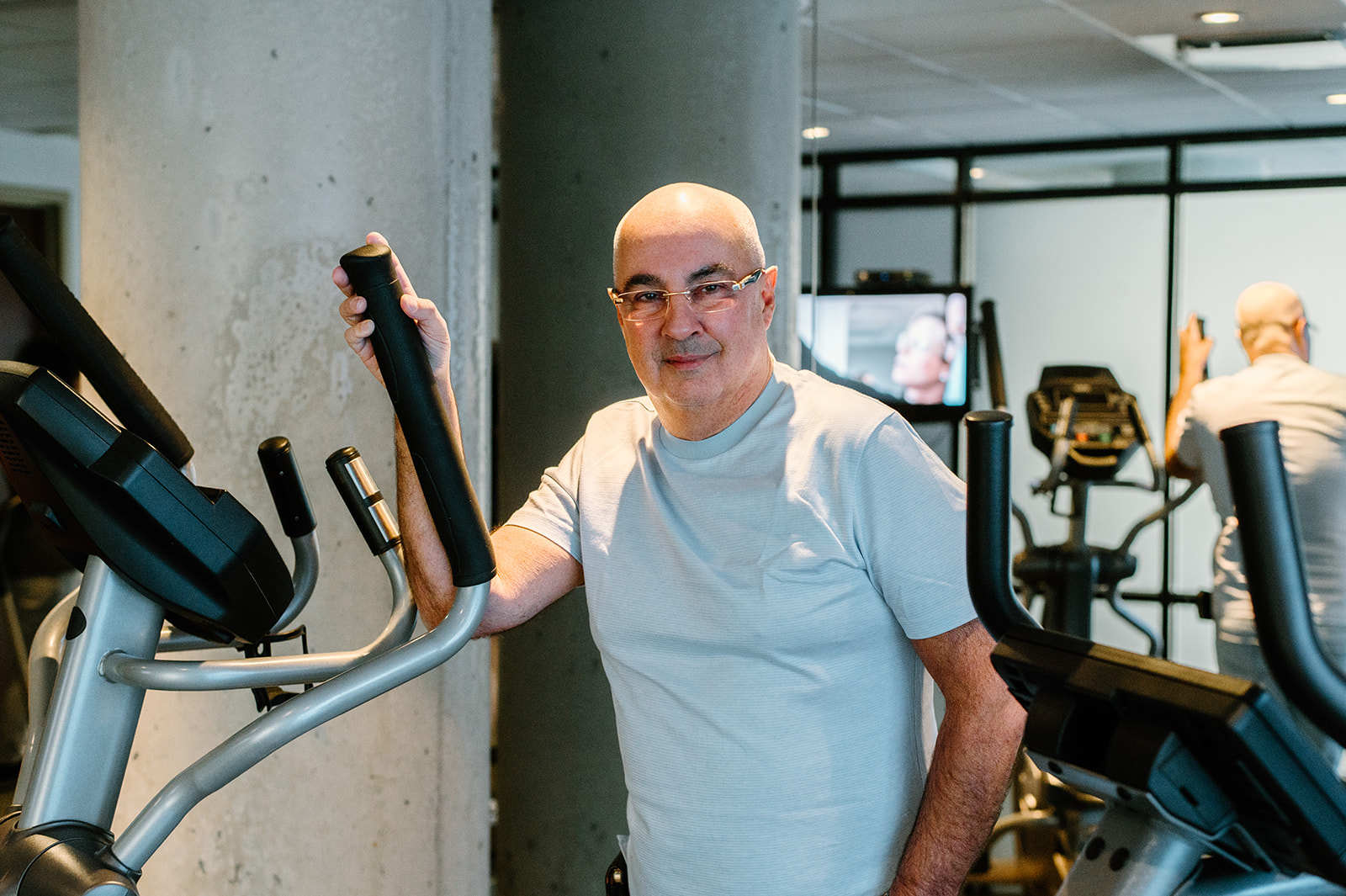


“Taking control of my CIDP journey means being proactive about my health and working closely with my healthcare team. One of my biggest challenges is that I often have difficulty recognizing whether new symptoms are related to CIDP, which can make me slow to contact my neurologist. Gaining better control would mean feeling more confident in identifying changes, speaking up sooner, and managing my condition more effectively so I can focus on living my life rather than worrying about my symptoms.”
Not necessarily. CIDP can affect people very differently, and improvement does not always happen quickly or in a straight line. Symptoms can fluctuate, particularly during periods of physical or emotional stress, poor sleep, illness, or infection.
People also respond differently to treatment. Some notice improvement relatively quickly, while for others, it may take weeks or months. What is most important is the overall pattern — whether your strength, mobility, sensation and day-to-day function are improving, stable or declining over time.
If you are not improving as expected, or you feel you are getting worse, discuss this with your specialist. Your treatment may need to be adjusted or changed, and occasionally, the diagnosis itself needs to be reassessed.
One of the most useful things you can monitor is how CIDP is affecting what you can actually do from day to day.
Pay attention to changes in your strength, balance, walking, sensation, and endurance. Are stairs becoming harder? Are you walking a shorter distance before becoming tired? Are you dropping things, having difficulty with buttons or opening containers, or struggling with tasks that were previously easier? Falls or near-falls are also important to report.
It is also helpful to track whether your symptoms are affecting your ability to work, participate in social or family activities, or maintain your usual level of independence.
Finally, let your medical team know about any treatment side effects or whether you consistently notice your symptoms returning or worsening before your next scheduled dose. These patterns can provide important information about how well your treatment is controlling CIDP.
If you develop a significant or rapid change in your strength or ability to walk, do not wait until your next routine appointment to contact your healthcare team.
Yes. CIDP is usually managed over months and years rather than days, so consistency is important. Some treatments take time to reach their full effect, and staying on schedule gives the treatment the best opportunity to work.
Missing or delaying treatment can sometimes lead to greater fluctuations in symptoms or a recurrence of weakness, which may result in a setback that can take weeks or months to recover from.
Practical strategies can help: keep treatment appointments in a calendar, track doses and symptoms, and involve a family member or caregiver if additional support is helpful. If side effects, treatment schedules, cost, travel or other issues are making it difficult to stay on treatment, tell your health care team. Often, there are ways we can modify the treatment plan to make it more manageable.
It depends. CIDP is a chronic immune-mediated condition for which we currently do not have a cure, but that does not mean every patient will require treatment for life.
Some people need ongoing therapy to keep their CIDP controlled. Others may enter a prolonged period of stability or remission and can gradually reduce their treatment. The majority of patients require ongoing maintenance therapy to keep CIDP controlled.
Our goal is not simply to keep someone on treatment indefinitely. The goal is to achieve good disease control and then, when appropriate, determine the lowest amount of treatment needed to keep you well. Your neurologist should periodically reassess both your response to treatment and whether the treatment can safely be reduced.
This is one of the most important challenges in treating CIDP. We want to give a treatment enough time to work, but we also do not want to allow ongoing nerve injury while waiting.
CIDP is not exactly the same disease in every patient. Different parts of the immune system — including antibodies and other inflammatory pathways — may be more important in different people. The treatments we use in CIDP preferentially work on these different pathways. At present, we do not have a single blood test or marker that can reliably tell us which treatment will work best for an individual patient, which is why it sometimes takes a trial of different treatments.
For that reason, we combine how you feel with objective measurements of how you are functioning. These may include grip strength and standardized CIDP measures such as INCAT, I-RODS and the MRC Sum Score. Repeating these measurements over time allows us to see whether you are improving, remaining stable or continuing to decline.
If you are stable or showing gradual improvement, it may be appropriate to give a treatment more time. If there is clear, measurable worsening in strength or function, that is different — then your specialist should reassess the treatment plan rather than simply continuing to wait.
This is a very encouraging time in CIDP care. We are getting better at recognizing CIDP earlier, measuring disease activity more consistently and understanding the significant impact the condition can have on mobility, work, independence and quality of life.
Treatment is also becoming much more individualized. In addition to established therapies, newer targeted treatments and different ways of delivering therapy are giving patients and their specialists more options, flexibility and independence than we have had in the past.
Just as importantly, our goals are changing. We are no longer focused only on preventing major deterioration. We increasingly aim for better strength and function, fewer fluctuations, greater independence and less treatment burden.
There is still much we need to learn about CIDP, particularly about predicting which treatment will work best for each patient. However, our ability to diagnose, monitor and treat the disease continues to improve.