Could you be experiencing spasticity?
Download Self-Assessment Guide



In collaboration with
Dr Ève Boissonnault
Developed in
COLLABORATION
COLLABORATION

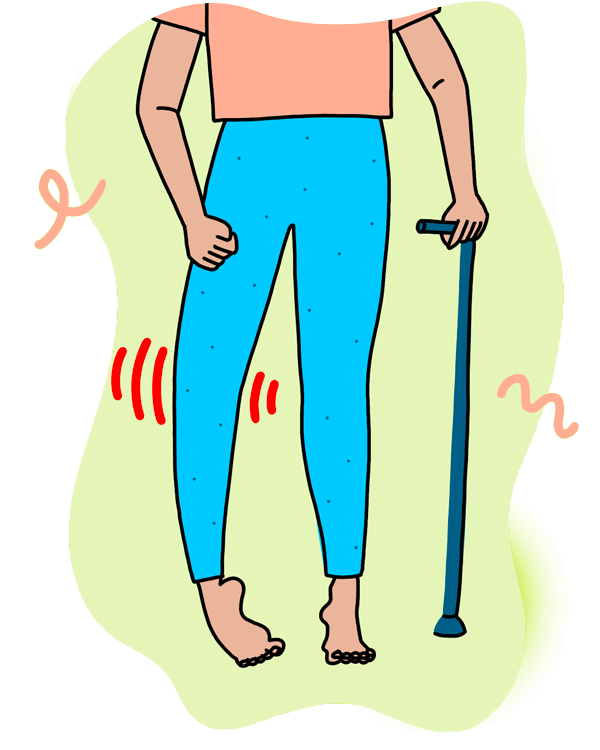
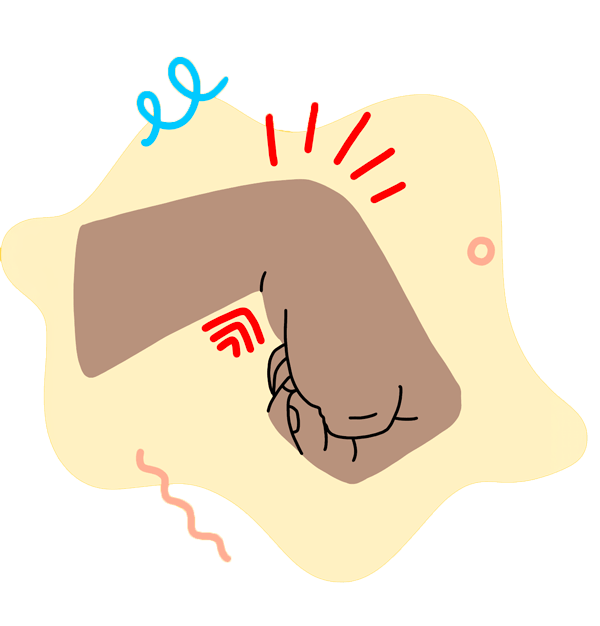
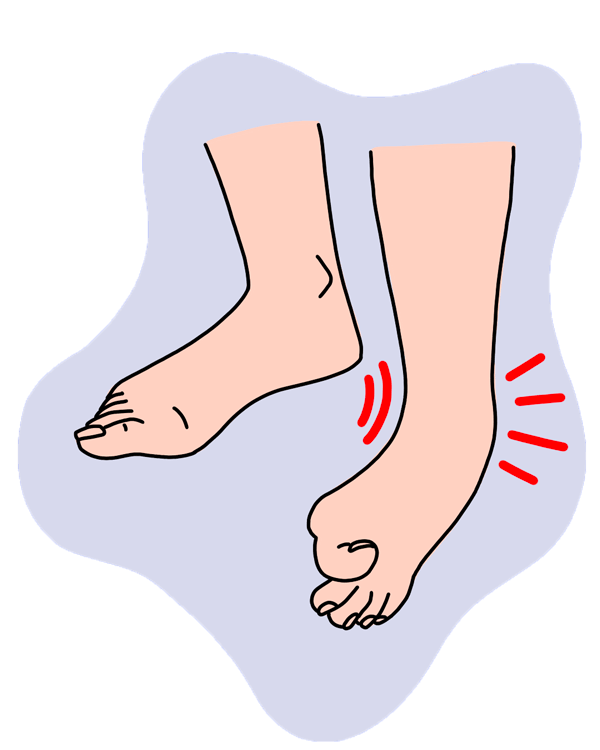



Spasticity occurs when certain zones that control motor function are affected by bleeding or a lack of oxygen during a stroke. Normally, several zones of the brain work together to send motor signals and adjust their intensity to create movements that are smooth and precise. When a stroke affects an inhibitory (calming) zone, excitatory zones in the nervous system become overexcited and muscles receive too many signals to contract.
Limb stiffness is the main manifestation of spasticity. It varies widely in intensity, from mere discomfort to the inability to move an arm or a leg. Often, this stiffness appears or increases with movement or stretching.
Spasticity may also express itself through trembling or muscle spasms — sharp, involuntary movements that occur either at rest or after being triggered by seemingly insignificant contacts. Pain may also be felt during passive movements (for example, when another person manipulates the affected limb).
It’s important to note that spasticity affects about 40% of people who have a stroke. It may appear in the first days or weeks following the stroke. It may also develop over months, often in the first year after the stroke. In around half of cases, it appears in the first three months. Generally, the earlier manifestations appear, the more serious they are. Moreover, they may not disappear spontaneously and may need treatment.
It’s hard to predict whether a patient will have spasticity after a stroke. Several studies have shown a strong correlation between the seriousness of the muscle weakness after a stroke and the development of spasticity. Certain types of brain damage (hemorrhage) are more likely to cause spasticity.
A few factors, like a decreased sense of touch, smoking, or stroke antecedents (ex. high blood pressure, obesity, physical inactivity, poor diet), also increase the risk of post-stroke spasticity. On the other hand, those who already had an active lifestyle before their stroke are at a lower risk of developing spasticity.
After a stroke, all age groups may suffer from spasticity. Certain studies even suggest that younger patients are at higher risk of developing post-stroke spasticity.
First, we have to manage the aggravating factors so that we can clearly identify the manifestations of spasticity. These can include pain, infections, and other stresses that may affect the body and any spasticity in the affected limb.
The patient will quickly meet with rehabilitation specialists (physiotherapists and occupational therapists), who will assess early manifestations of spasticity and prepare a custom exercise program. Stretching exercises are especially important. Other treatments may be added, such as massage, electrostimulation, orthotics, or bandages. Medication may also be used.
Unfortunately, the manifestations of post-stroke spasticity often increase in intensity if they aren’t treated quickly. They may end up having a serious negative impact on quality of life and causing difficulties from seemingly insignificant movements, trouble walking, and even falls.
People who have had a stroke aren’t always referred to rehab. If this is your situation, it may be wise to meet with a rehab specialist and undergo a general motor function exam. If you have any concerns, communicate them to your treating neurologist or family physician.In all cases, the recommendation is to maintain an active lifestyle and watch for the appearance of muscle stiffness with loss of range, precision, or rapidity in everyday movements. Trouble walking, muscle pains, spasms, or trembling may also be manifestations of spasticity.
Encourage them to follow their treatment plan, such as maintaining an active lifestyle and following a rehabilitation exercise program. You can also help your loved one to do difficult exercises or engage in physical activity with them.
Since spasticity may cause pain when an affected limb is manipulated, you must also be careful when helping with day-to-day movements like dressing and hygiene. It may be a good idea to ask the rehabilitation staff for advice.
If you have specific questions, rehab specialists are in the best position to support you. You’ll also find support and tons of useful information on the Heart and Stroke Foundation and BeyondStroke.ca websites.