
For far too long, too many women in Canada have faced delayed diagnoses, had their symptoms dismissed, or received care that didn’t fully reflect their needs. Today — just as previous generations strengthened Canada by insisting on women’s right to vote, to work, and to exist as equals in society — a broad coalition is making the case that this country will be stronger still when every woman has the right to be healthy. And the numbers are very much on their side.

A 2025 report from the McKinsey Health Institute estimates that closing Canada’s women’s health gap could give every Canadian woman an average of seven additional healthy days each year. Over the course of a lifetime, Canadian women spend 24% more time in poor health than do Canadian men. And less than 5% of that difference can be attributed to gynecological health, reproductive health, and conditions specific to women. It’s not that women get sick more often; it’s that the services they receive don’t fully meet their needs or many continue to struggle to access the care they need.
The cost of being overlooked
“The women’s health gap boils down to three key factors,” says Amy Flood, Executive Director of Women’s Health Collective Canada (WHCC). “It’s data, it’s efficacy, and it’s adoption. First, women’s health is under-researched, resulting in a lack of data. And then that lack of data leads to an efficacy gap in treatment. Many pharmaceuticals have simply been developed without women’s biology in mind.”

Historically, medical research has often treated male biology as the default, with findings applied to women without enough attention to sex-specific differences. Women were excluded from some studies or underrepresented in others, in part because of concerns about pregnancy and potential harm to a fetus. This has left gaps in our understanding of how diseases and treatments affect women. Although research practices have improved, closing those gaps requires more inclusive studies and consistent analysis of differences in treatment safety and effectiveness.
Further, women don’t always get the care they need, even when effective treatments exist, and many report having their health concerns dismissed and minimized. “Women and young girls are so often told that pain, illness, and discomfort are something they should simply endure,” says Flood. “There’s a big lag in the adoption of diagnostic standards and clinical pathways for women. And the lack of data just keeps perpetuating the problem. Without better information about women’s health, it’s harder to show the need or find solutions to improve care.”
“Women and young girls are so often told that pain, illness, and discomfort are something they should simply endure.”
This gap is seen in the woman who spends years suffering progressive disability from an undiagnosed heart condition. It’s seen in the woman whose chronic pain is dismissed by health care professionals. It’s seen in the woman living with endometriosis whose diagnosis is delayed, and in the toll that persistent pain and delayed care take on her mental well-being. And, on a societal scale, it’s seen in women missing more days of work than their male peers, working through illness more often, falling behind in career progression, and leaving the workforce altogether. The McKinsey report estimates that closing the gap could add an eye-watering $37 billion annually to Canada’s GDP by 2040, larger than the GDP footprint of the entire agricultural crop sector.
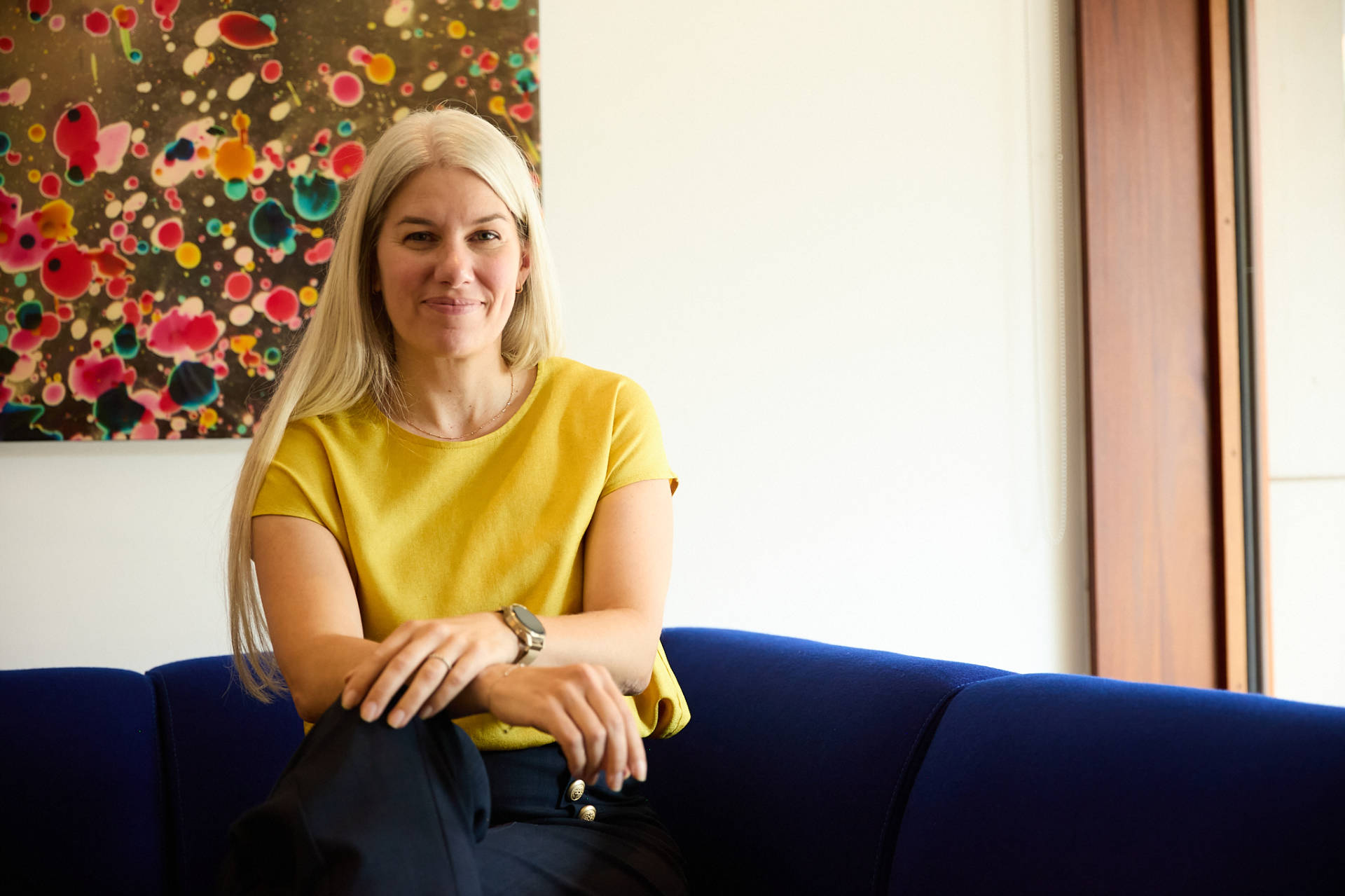
“The $37 billion represents a significant economic opportunity for Canada, value that could be unlocked by improving women’s health, enabling greater workforce participation, and enhancing well-being across society,” says Dr. Marie-Renée B-Lajoie, an emergency physician, McKinsey & Company Partner, and co-author of the 2025 women’s health gap report. “Canada has the fifth-largest women’s health gap in the world, a disparity that has long been recognized anecdotally through the persistent challenges faced by women and girls. We now have the data to quantify the economic and societal costs of this gap, alongside a clear roadmap for addressing it. By translating these insights into meaningful action, Canada has the potential to realize substantial gains in GDP while significantly improving the health and quality of life of women and girls across the country.”
A roadmap for change
That roadmap has now been translated into a landmark Blueprint for Action from WHCC in collaboration with McKinsey & Company. The blueprint lays out 11 specific initiatives — such as increasing research funding, standardizing disaggregated data, and supporting women’s career journeys — across the five priority areas identified as most critical to closing the gap: cancer, cardiovascular disease, brain and mental health, hormonal health and menopause, and chronic pelvic pain.
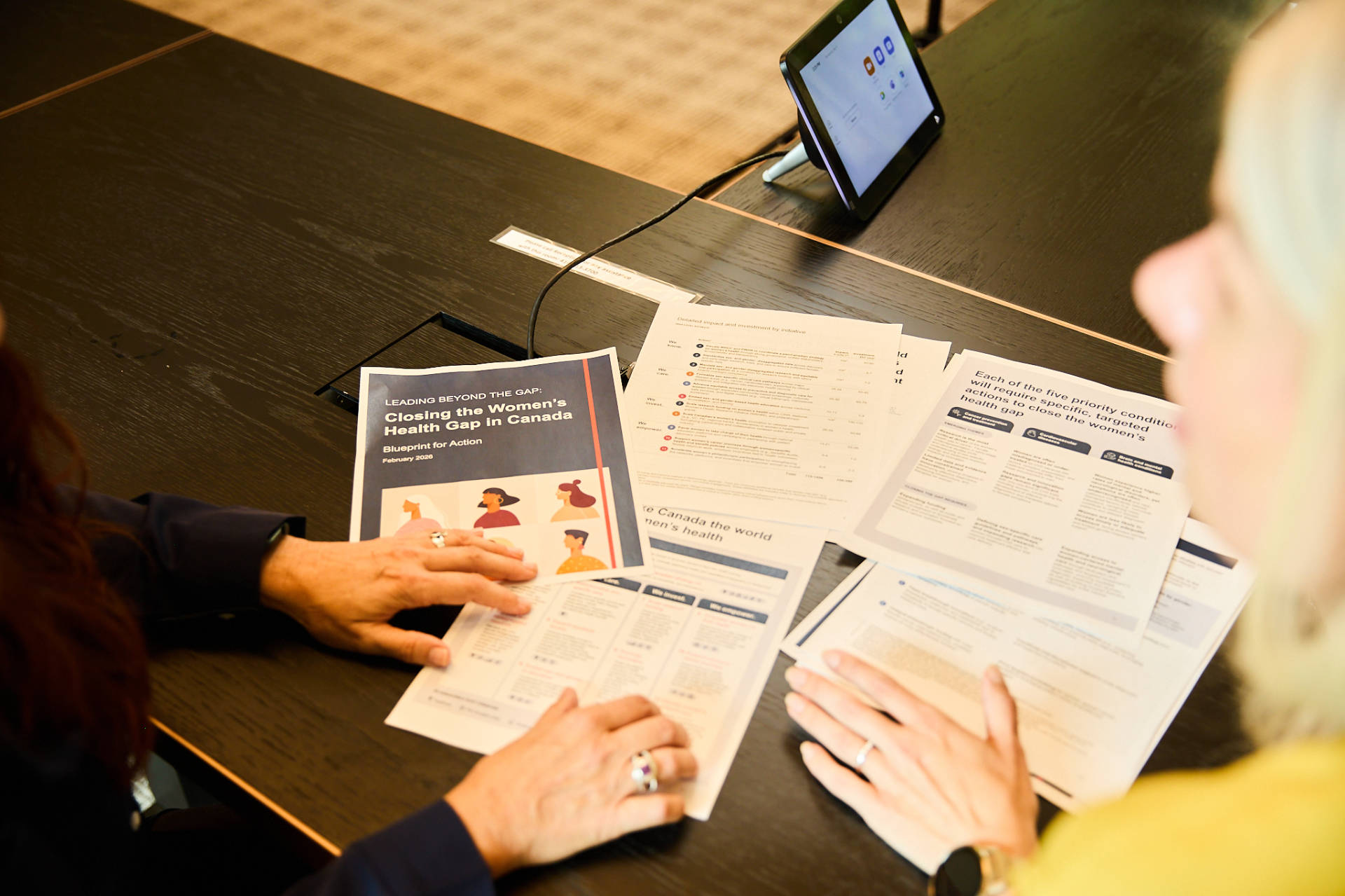
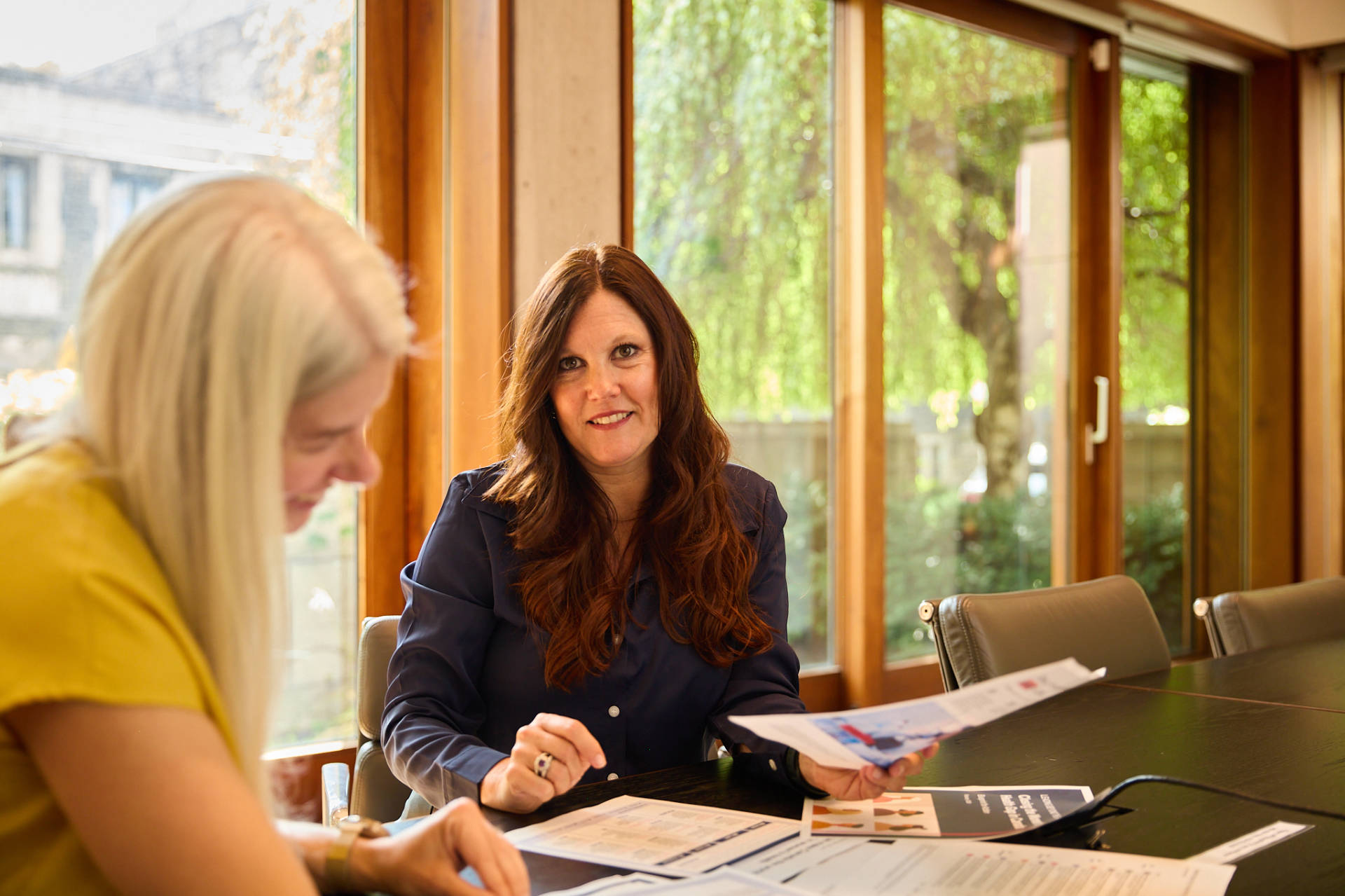
The Blueprint estimates that an annual nationwide investment of $330 to $390 million in its 11 cross-cutting actions could reduce the women’s health gap by an estimated 110,000 to 145,000 disability-adjusted life years — a measure of healthy years lost to illness, disability, or premature death. It also, if done right, would work to correct a wide range of underlying flaws in our health care system’s fundamental infrastructure, with follow-on benefits improving the system for everyone.
“Women are the canary in the coal mine of a health care system that has historically failed to account for all kinds of diversity,” says Dr. B-Lajoie. “These gaps extend beyond women, affecting individuals from a wide range of backgrounds whose health needs have similarly been overlooked. Modernizing our health care system to meet the demands of the 21st century is not simply a women’s health issue; it is a broader societal imperative with benefits for everyone. Meaningful progress requires collective responsibility and decisive action. What is needed now is the commitment to translate that potential into measurable, lasting improvements.”
“Modernizing our health care system to meet the demands of the 21st century is not simply a women’s health issue; it is a broader societal imperative with benefits for everyone.”
In this moment, and the movement that’s forming around it, every Canadian has a role to play. For some, it will be through community mobilization and volunteering. For others, it will involve participating in the clinical trials that are now seeking to capture the fullness of Canada’s diversity. Or, for those with the means, it will be through donations to worthy non-profits pursuing the initiatives laid out in the Blueprint for Action. Most of all, everyone can help by just using their voice: advocating, reaching out to elected representatives, and sharing stories of how the system has failed them or their loved ones.
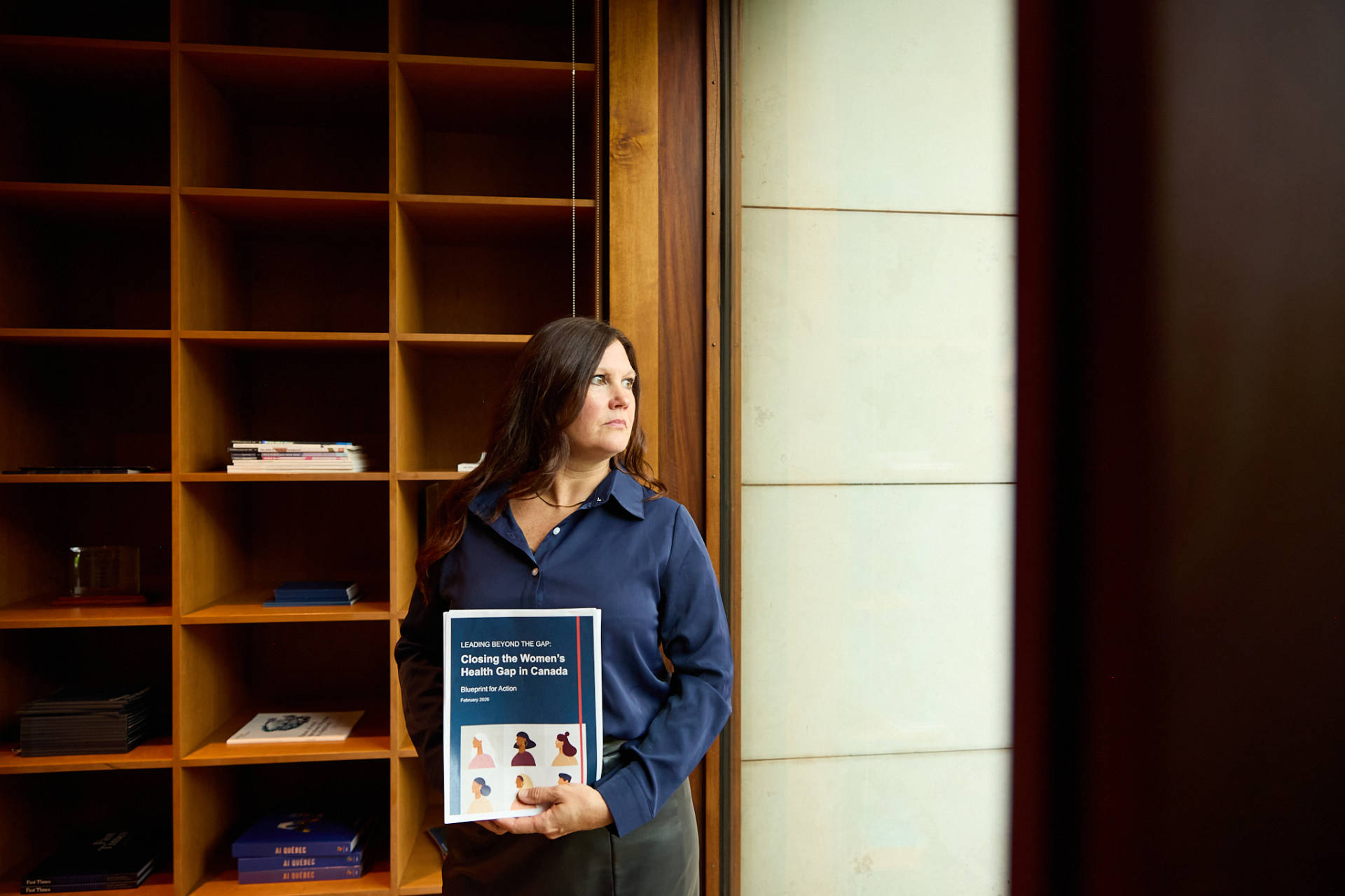
“Silence has helped this gap continue,” says Flood. “Simply talking about it openly reduces stigma and makes the wider pattern harder to ignore. And everyone’s story matters, because at its root, this is personal. I have a teenage daughter myself and, more than anything, I want things to be different for her generation. I don’t want her to face the same problems that women have endured for far too long. Today, we have a real opportunity to leave a lasting mark on Canada and create a better future for women here and around the world.”
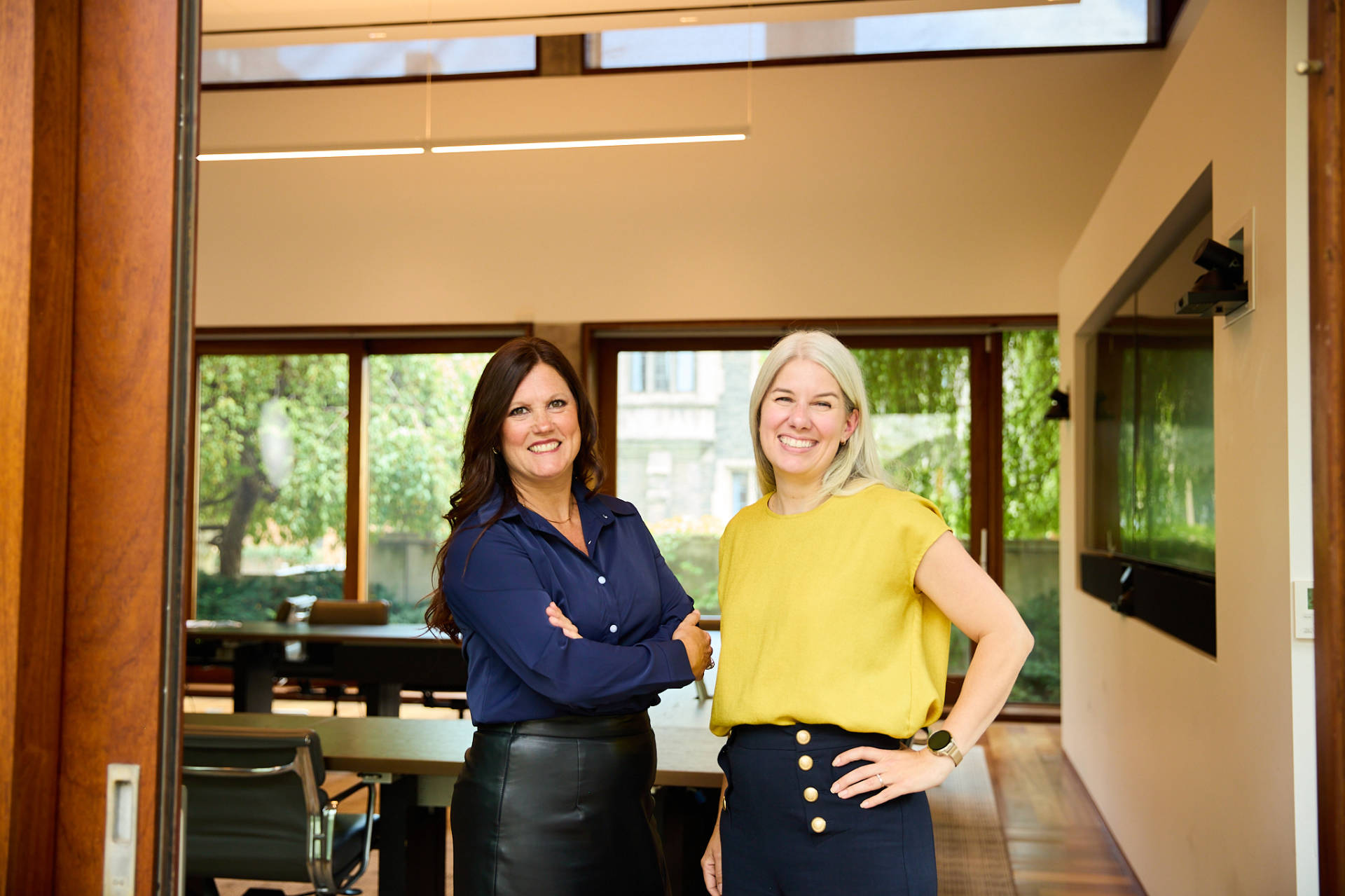
Women’s Health Collective Canada (WHCC) is an alliance that brings together five leading women’s health and hospital foundations across Canada to advance equity in women’s health. Together, they help fund research and bring partners together to raise awareness and advocate for coordinated action to close the women’s health gap. Learn more about WHCC’s work and how you can support women’s health at whcc.ca.
The McKinsey Health Institute (MHI) is an enduring, non-profit-generating institute within McKinsey & Company. It was founded on the conviction that, over the next decade, humanity could add as much as 45 billion extra years of higher-quality life. Our mission is to catalyze the actions and investment needed across continents, sectors, and communities to realize this possibility. In collaboration with a robust ecosystem of organizations, we work to catalyze impact across historically underinvested areas of health. We encourage you to read more at mckinsey.com/mhi/overview.
Shorts
Coming full circle: Lisa's story
Attention Deficit Hyperactivity Disorder (ADHD)
A later-in-life diagnosis led Lisa McCoy to a startling realization: the challenges she'd spent decades blaming on herself had a name all along — ADHD. Now, she's working to ensure that all Canadians impacted by ADHD have access to the supports they need to thrive.
Shorts
A cancer diagnosis, a dating app match, and a century home renovation: Janice’s story
CLL + Premature Ovarian Failure
Diagnosed with chronic leukemia at 34, ER nurse Janice Skoblenick also learned she'd never be able to have children of her own. But a chance swipe the night before a hospital appointment led her to Andrew — and to a life, and a home, they’re now rebuilding from the ground up.