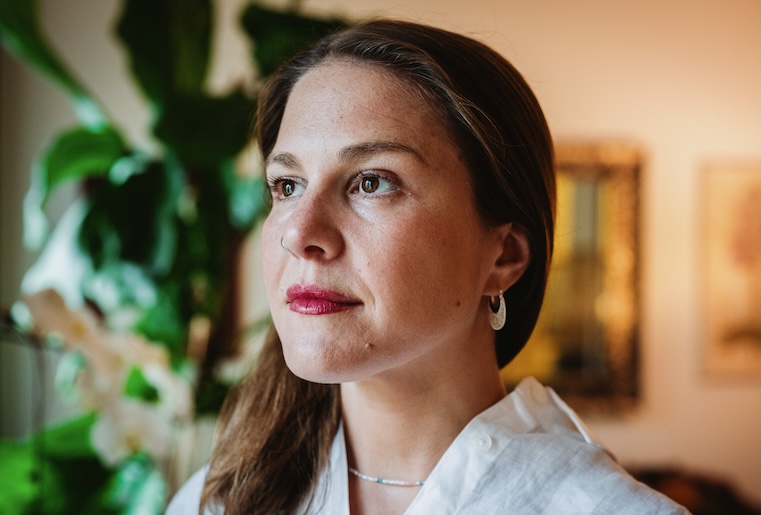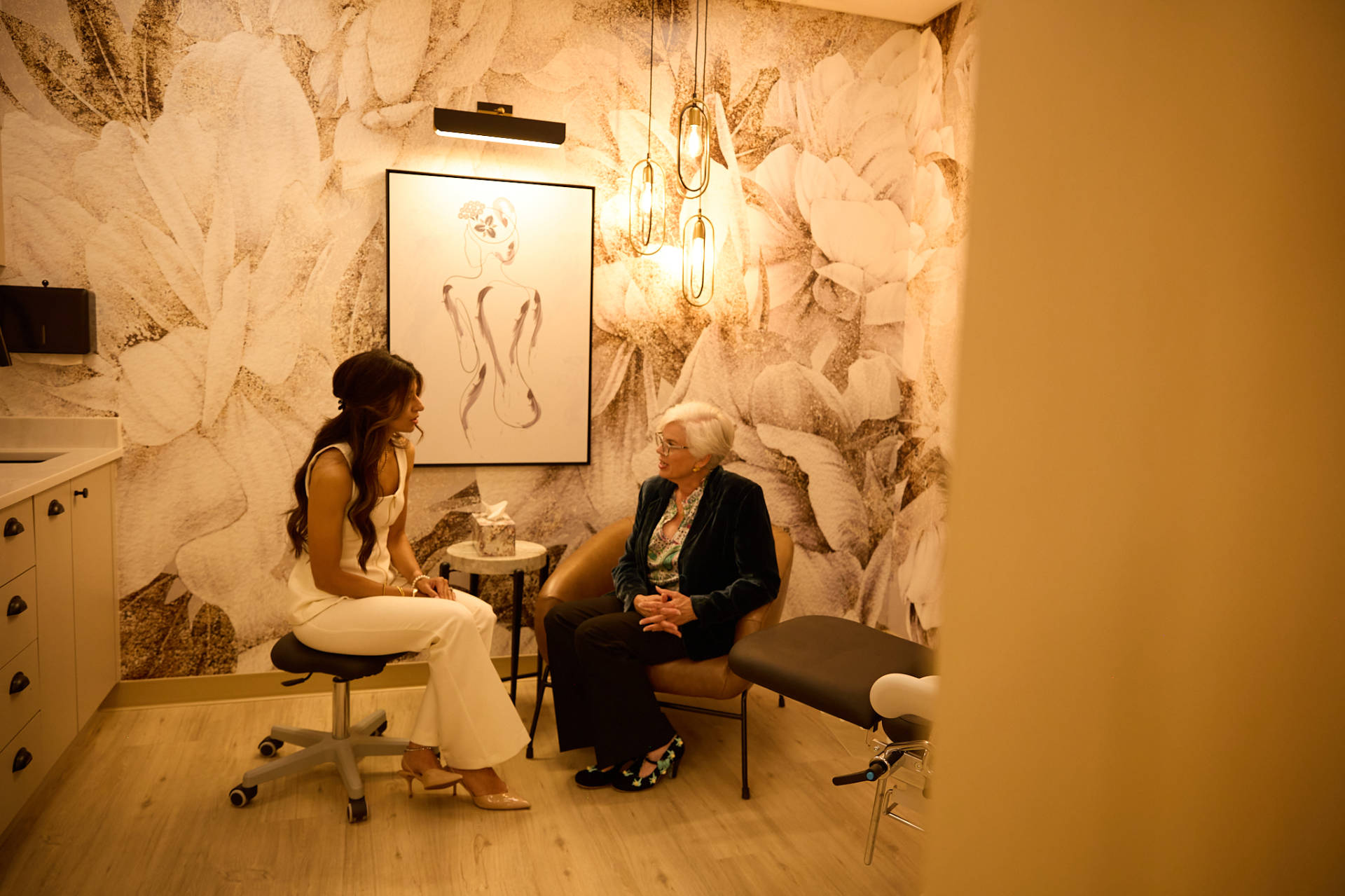

From the earliest days of her medical career, Dr. Shafeena Premji, Medical Advisory Board Member of the Menopause Foundation of Canada, has sought to make meaningful change in women’s health, and it’s not by accident that menopause has become the driving focus of her life’s work. At any given moment, millions of women across Canada are struggling with the symptoms of perimenopause and menopause. Unfortunately, Dr. Premji says, few of these women receive the support and treatment they need.
Every woman who lives long enough will face menopause, and yet a longstanding culture of stigma and silence has perpetuated a system that minimizes its serious impact on women’s lives. “As a medical student, my education on women’s health took us through menstruation and contraception, fertility and infertility, labour and delivery, breastfeeding and postpartum care, and then that was it,” Dr. Premji says. “The timeline of a woman’s health essentially ended once she was a mother. Menopause and midlife health care were never, ever brought up. But I knew that I needed to understand those things — for my patients, for all women, and for myself.”

Menopause occurs when a woman’s natural cycle of menstruation permanently stops — health care professionals use the guideline of 12 consecutive months without a period. For the average Canadian woman, this inflection point comes around age 51, but for some it happens much earlier, and perimenopause — the changes to hormone balance and cycle that precede menopause — frequently begins affecting women’s lives years before, in their forties or even their thirties. Further, the health implications of how this transition is managed will be with a woman for the rest of her life.
Dr. Premji’s own mother went into menopause early at age 43, silently and without support. “I remember watching her health suffer, but she never talked about it,” Dr. Premji says. “She’s 72 now, with severe osteoporosis, sarcopenia, and cardiovascular risk factors. She’s on blood pressure medication and cholesterol medication. My mom is the epitome of what we’re trying to prevent. Everything she’s suffered and is suffering is what happens when women aren’t supported through menopause.”
“I remember watching her health suffer, but she never talked about it.”
It’s not uncommon for Canadian women to spend 40% or more of their lives in one stage or another of the menopause journey. Yet, only 25% of women report having had their health care providers proactively initiate a discussion on menopause symptoms and care. The enduring stigma surrounding menopause has created a reality where women only get help when they advocate for their own care.
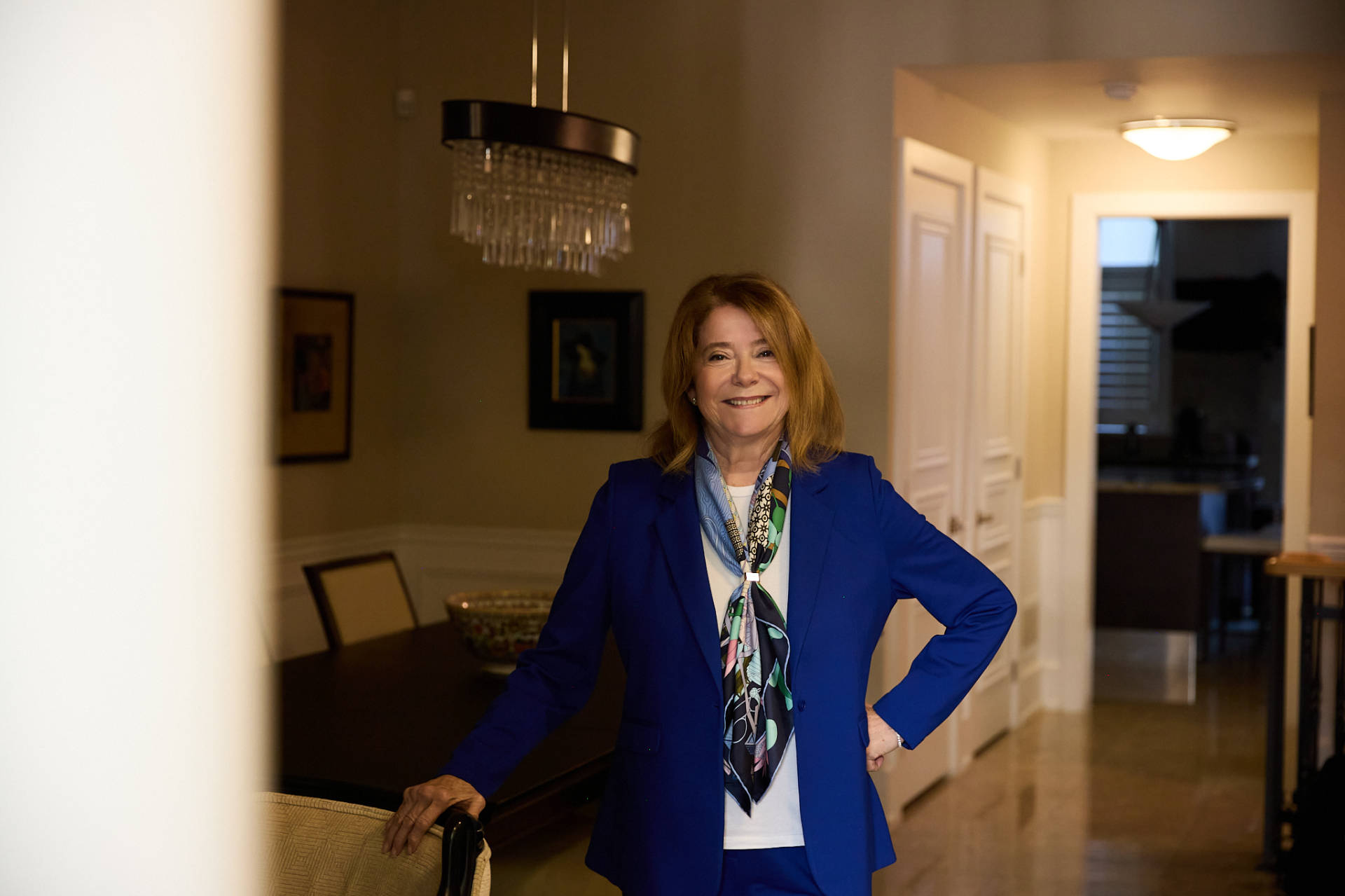
“Menopause is not a disease,” says Dr. Vivien Brown, Past President of the Federation of Medical Women of Canada. “It’s a normal transition, just like adolescence. And yet women have never talked about it openly before. It was considered very personal and it was considered very embarrassing. No one wanted to be identified as being in menopause, especially in the workplace. This silence has been extremely detrimental to women.”
Women speaking out and being heard
Canadian women are no longer willing to be silent. Patient advocates, health care professionals, policymakers, and women from all walks of life have decided that enough is enough. No more whispers and euphemisms. It’s time to talk about menopause, loudly and openly, until things begin to change. And, slowly but surely, things are beginning to change.
The groundwork laid through decades of tireless work by women’s health activists and pioneering physicians has become the foundation of a genuine nationwide menopause movement. Now, the Menopause Foundation of Canada has brought the voices of this movement together into a focused call to action, laying out seven clear priorities for change, including more rigorous menopause training for health care professionals, increased funding for menopause research, initiatives toward menopause-inclusive workplace accommodations, and equal access to affordable and effective menopause treatments.
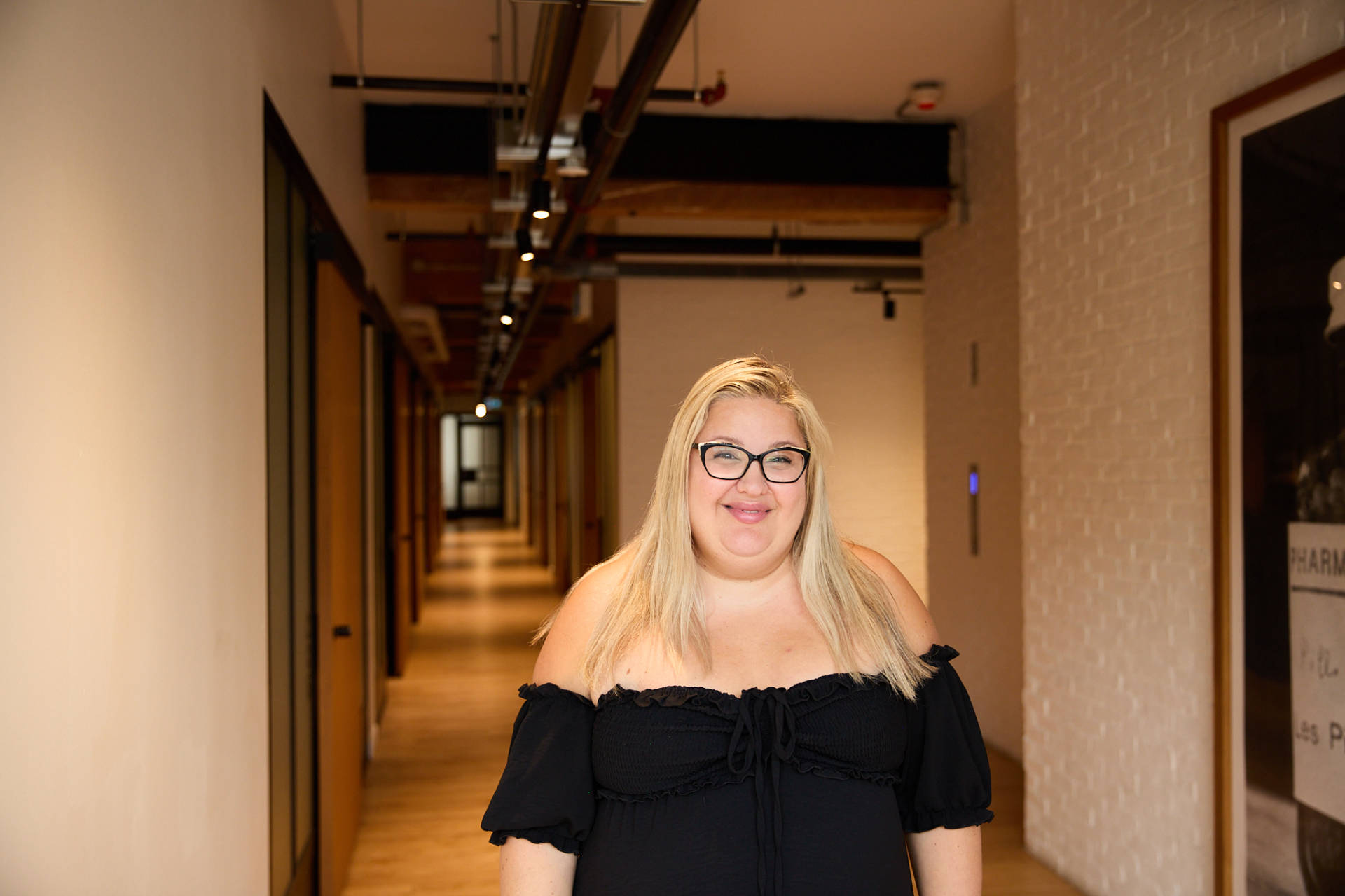
“We live in a time where there are a lot of options for treating menopause,” says Dr. Michelle Jacobson of the Canadian Menopause Society. “And yet the vast majority of women still don’t get help, because it’s been ingrained into our society that a woman’s role is to suffer. But women today aren’t going to suffer in silence. They’re starting to get loud, asking questions like, ‘Why did nobody warn me it was going to be like this?’ Questions like, ‘How can I be expected to work under these conditions?’ Women are breaking through barriers around untouchable subjects and that’s a good thing.”
Addressing the gaps and inequities surrounding menopause care in Canada is going to require systemic change. But systemic change is possible, and the first steps in that direction are already being seen in Bill S-243, which would establish a long-overdue national framework for women’s health, including increased research and improved training for health care professionals on women’s health issues like menopause.


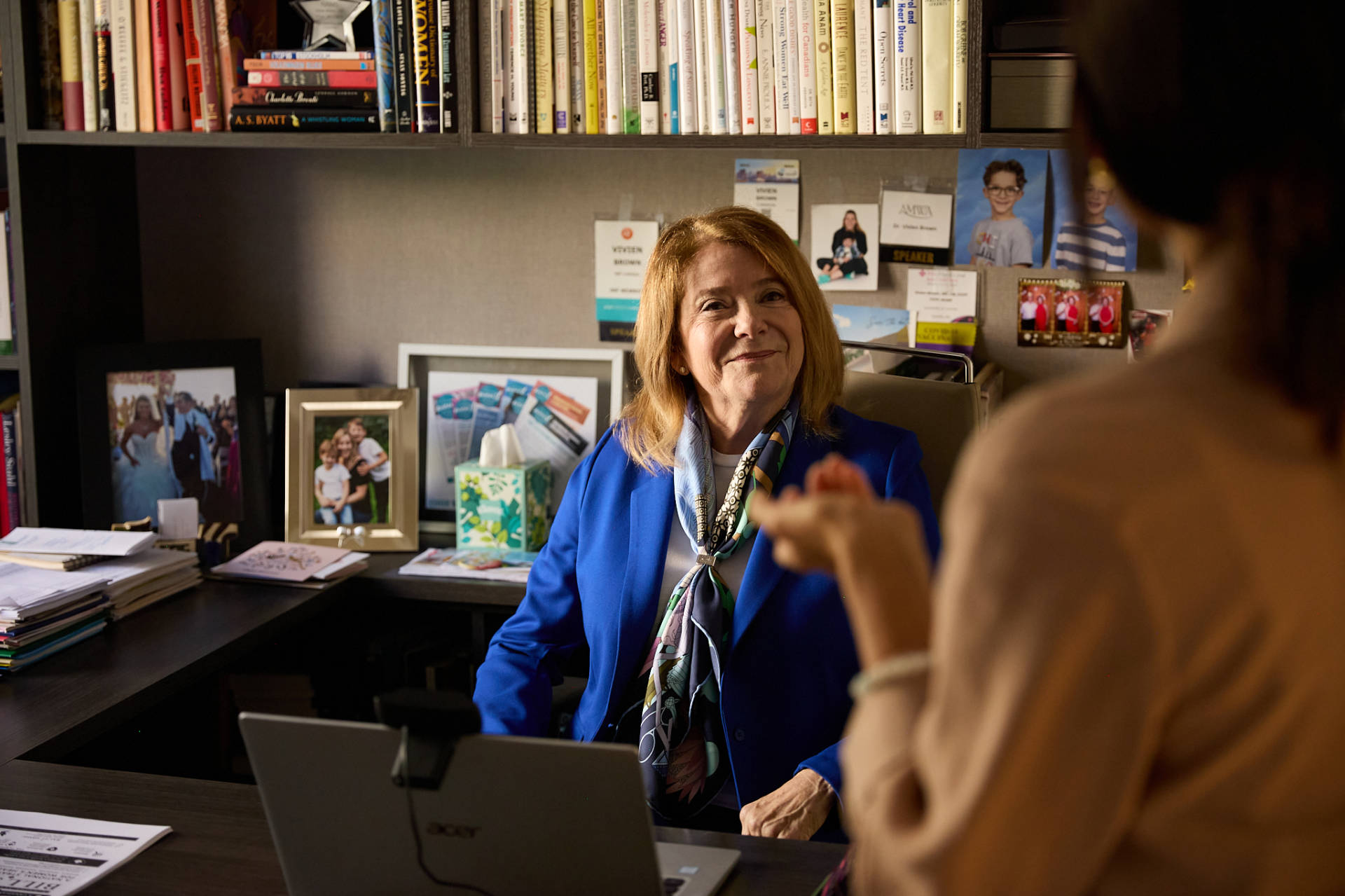
“Canada is one of the few countries that doesn’t have a national strategy for women’s health,” says Dr. Brown. “This bill is looking to strengthen primary health care services and preventive health care for women of all ages, especially women in rural and remote communities, Indigenous women, and women who have just been left on the periphery. Women should be getting the same level of care men do, and it’s just not happening. Women are underserved clinically and they’re underrepresented in research. This bill would be a step toward funding much-needed research in women’s health, and not just research on pregnancy and breast cancer, as important as those things are. Women’s health needs to be a core value in the Canadian health care system.”
Knowledge is power and advocacy is strength
The prospect of much-needed policy-level action on menopause is extremely promising, but systemic change takes time. And every day, a new cohort of women is experiencing the first symptoms of their own menopause journey in an environment where care can still be hard to come by, and the new abundance of information — not all of it of equal quality — can be overwhelming. It’s therefore essential that women educate themselves on the facts of menopause and that they self-advocate for effective, evidence-based care.
For most women, hormone therapy remains the bedrock of recommended menopause treatment, but effective menopause care requires a personalized approach. Though vasomotor symptoms like night sweats and hot flashes are the most well-known manifestations, there are more than 30 distinct symptoms associated with perimenopause and menopause, including sleep disruption, changes in mood, weight gain, difficulty with focus and attention, vaginal dryness, and mobility issues like joint pain and stiffness.
Some women will have relatively few or minor symptoms, allowing for a very light touch with intervention. Others will need a multifaceted plan to effectively manage complex health challenges. Some women — breast cancer survivors, for example — will have additional risk factors or chronic conditions that may complicate treatment decisions. What’s important is that each woman’s individual burden of symptoms be taken into account alongside her personal health history and lifestyle to craft the treatment plan best suited to her needs. Fortunately, new Health Canada-approved non-hormonal treatments are broadening the horizons for customized treatment.
“Regardless of your health history or symptoms, there are a lot of treatment options these days,” Dr. Jacobson says. “Every woman deserves personalized care. She deserves evidence-based recommendations, where that evidence is available, and the opportunity to make her own informed choices based on her own priorities. Unfortunately, not every health care provider is well-versed. Sometimes women will still have to do a lot of self-advocacy.”
“Every woman deserves personalized care. She deserves evidence-based recommendations, where that evidence is available, and the opportunity to make her own informed choices based on her own priorities.”
When women have the knowledge and agency to self-advocate effectively, menopause can now be managed so much more gracefully than was previously possible. Just last year, Dr. Premji herself experienced early menopause at the exact same age her mother had. But she had so many more tools available to her. She’d been preparing herself for the transition for years through strength training, stress management, and a healthy lifestyle. And she was able to begin hormone therapy promptly and with confidence.

“There was still a moment of sadness, a brief feeling of loss that a specific chapter of my life was done,” Dr. Premji acknowledges. “But very quickly that was replaced with a feeling of ‘I got this.’ This is what we want to provide to all women. A feeling of empowerment at the moment in her life when she is most vulnerable.”
Empower yourself with credible information, and then speak up about your health needs. The Canadian Menopause Society, the Society of Obstetricians and Gynaecologists of Canada, and the Menopause Foundation of Canada offer evidence-based resources covering symptoms, treatment options, finding a menopause specialist, having informed discussions with your health care providers, and getting involved in Canada’s fast-growing menopause movement.
Shorts
Coming full circle: Lisa's story
Attention Deficit Hyperactivity Disorder (ADHD)
A later-in-life diagnosis led Lisa McCoy to a startling realization: the challenges she'd spent decades blaming on herself had a name all along — ADHD. Now, she's working to ensure that all Canadians impacted by ADHD have access to the supports they need to thrive.
Shorts
A cancer diagnosis, a dating app match, and a century home renovation: Janice’s story
CLL + Premature Ovarian Failure
Diagnosed with chronic leukemia at 34, ER nurse Janice Skoblenick also learned she'd never be able to have children of her own. But a chance swipe the night before a hospital appointment led her to Andrew — and to a life, and a home, they’re now rebuilding from the ground up.