
Italics section

Vanessa Akl
“When I was in elementary school, we did this activity in class where we would write letters to kids who were in the hospital with serious illnesses. I remember having such a hard time thinking of what to write, because the experience of being hospitalized just seemed so foreign and unimaginable to me.
Then I suddenly started having weakness in my facial muscles. My eyelids were drooping. I couldn’t smile. I was diagnosed with generalized myasthenia gravis, and after that, everything moved very quickly. The weakness spread through my body and my health deteriorated so fast. Soon, I needed help getting up and sitting down. I choked when I tried to eat or drink because my jaw and swallowing muscles were so weak. I started having trouble breathing. I was hospitalized. I started getting letters from schoolchildren.

For 12 years, I spent more time in the hospital than out. No one really helped me understand my diagnosis and what it was going to mean for my life. I was lost. My doctors just told me they’d try to stabilize me with steroids. But steroids caused so many side effects, some of which stay with me to this day. Weight gain. Mood swings. Weak and fragile bones. I watched my hopes and dreams slip away and the feeling that I was never going to get better slowly sank in. And during that time, while everyone else was going off to university and building the personal and professional foundations of their lives, I was just trying to learn how to coexist with my condition.
Eventually I was switched to a treatment that stabilized me for a while. That was the first time I really felt any hope at all. It was enough to encourage me to get much more involved in my own care. After that, I started looking into other new treatments that were being developed that might help me even more. I learned about one that seemed like a really good fit for me. I pushed and pushed for it, advocating for myself until I was finally able to get on it.
Slowly but surely, things started to get better.
.jpg)
.jpg)

Today, I’m going on five years without a hospitalization. This disease is still active in my body, though. And it still places hurdles in my way. I still experience weakness. I still deal with occasional brain fog and fatigue, plus some ongoing side effects from all those years on steroids. Everything I’ve been through made me very hesitant and anxious about meeting new people, and about dating. I'd always find myself underplaying my illness because I just didn’t want to be the sick girl anymore. I worried about finding a partner and potentially having a child of my own. Slowly, that's changing.
That’s because there are so many things I can do now. It feels like so many doors have opened up for me that were once closed. I’m 28 years old now, and I’m just starting to feel like it’s possible for me to build a good life — to pursue a job, an education, and a social life. More than anything, I’m looking forward to figuring out who I am, what I want to do, what I like and what I don’t. I spent so long with my entire identity defined by myasthenia gravis that the prospect of a life where it’s merely a part of my story seems filled with infinite possibility.”
An estimated 4,000 Canadians are currently living with ALS. Each year approximately 1,000 Canadians die from ALS. A similar number of Canadians are diagnosed with ALS each year.

DID YOU KNOW?
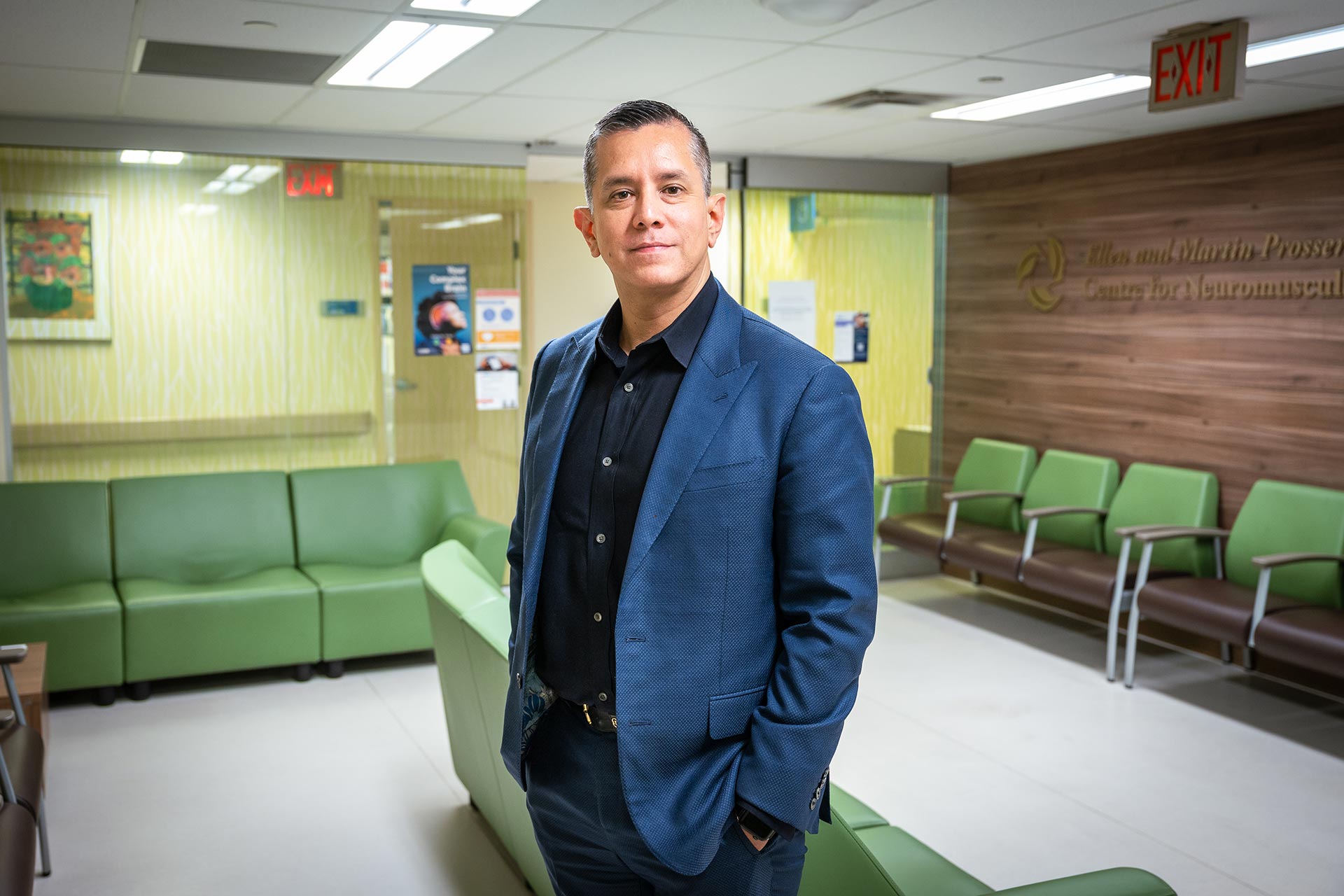
Dr. Hans Katzberg
“Stories like Vanessa’s highlight why myasthenia gravis is often called the ‘snowflake disease’: people living with the condition can be affected in very different ways. For many patients, the eyes are heavily affected, with double vision, drooping eyelids, and difficulty reading, working, and focusing. For some people, it may also affect their swallowing, or their breathing, which can lead to a myasthenia crisis. For others, it may mostly affect the limb muscles, making it difficult to move around, to go up and down stairs, or even to do self-care activities like brushing their teeth or shampooing their hair. Needless to say, it can be incredibly debilitating.
Generalized myasthenia gravis, or gMG, is a neurological immune condition, not a genetic disease. You’re not born with it. Rather, it’s something that appears at a certain point in your life, often in people who are otherwise healthy. There are a lot of nuanced aspects to treating myasthenia gravis. To choose the right treatment, I need to understand what type of myasthenia gravis a person has, how active it is, what other conditions they’re managing, and what treatments they’ve already tried. I really need to get to know someone, and to understand their goals, before we can figure out together what the best treatment is for them. That’s why it’s so important for the person living with the condition to be directly involved in that decision-making.
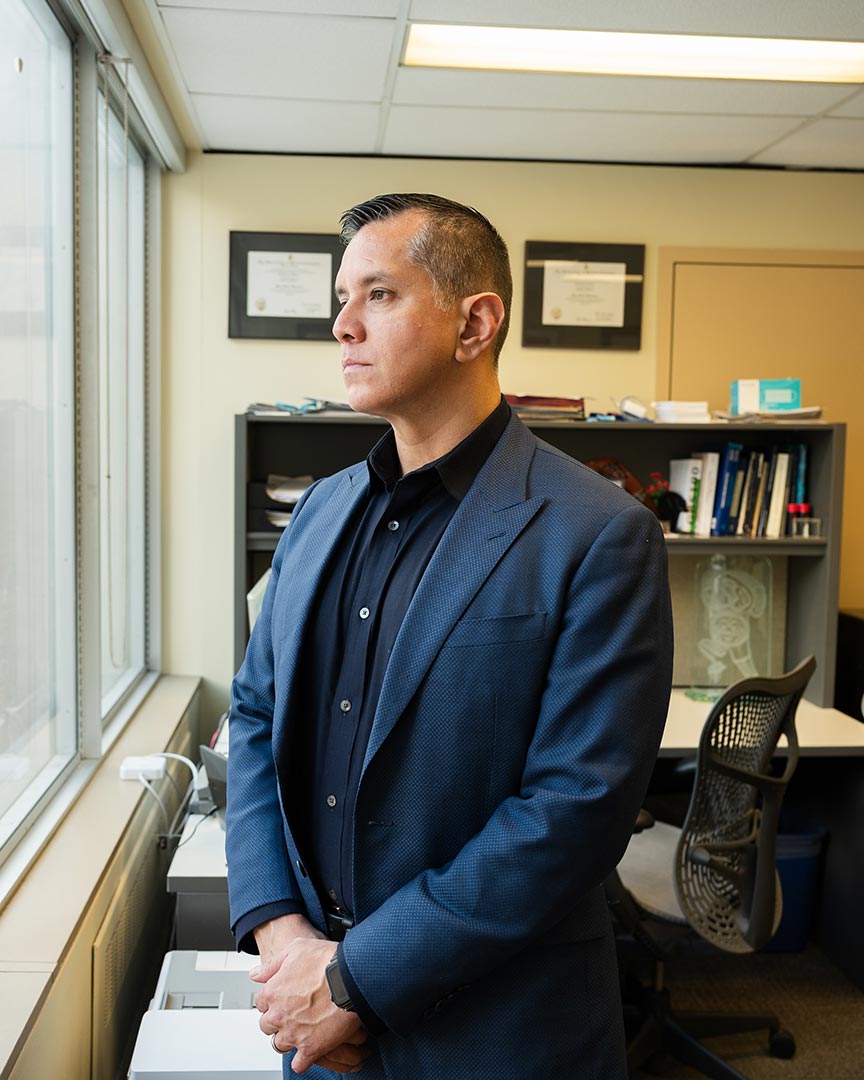
In Canada, it’s often a neurologist like me who’s taking the lead on diagnosing and managing this disease, but we’re not doing it alone. Not only are we ideally collaborating with the patient, we’re also often working alongside their family doctor. Then, depending on the patient, there may be other specialists involved as well. The truth is that this is all too often a condition that severely impacts a patient’s ability to work, to care for themselves, or to care for others. That’s why we need to talk more about the immense physical, social, and psychological burden this disease places on people’s lives. Together, we can all make travelling this path easier for people living with myasthenia gravis.
What’s reassuring is that we do understand this disease very well and we have many different options for treating it. There are so many neurological disorders out there that just aren’t currently treatable, or that have great challenges in treatment, and fortunately this isn’t one of them. And there’s a lot of work still being done, and a lot of new types of therapies that are going through various stages of trialling and approvals. The important thing is that we as clinicians — and our patients — have access to this innovation as promptly as possible.
All in all, I tell my patients that it’s a truly hopeful situation for Canadians living with gMG. Patients have a very good chance of gaining control of their condition, of retaining a lot of function and sustaining a good quality of life. As someone who cares deeply about this community, that makes me very happy.”
There is no cure for ALS and few treatment options for the majority of people living with the disease. Approximately 80 per cent of people with ALS die within two to five years of being diagnosed.
DID YOU KNOW?
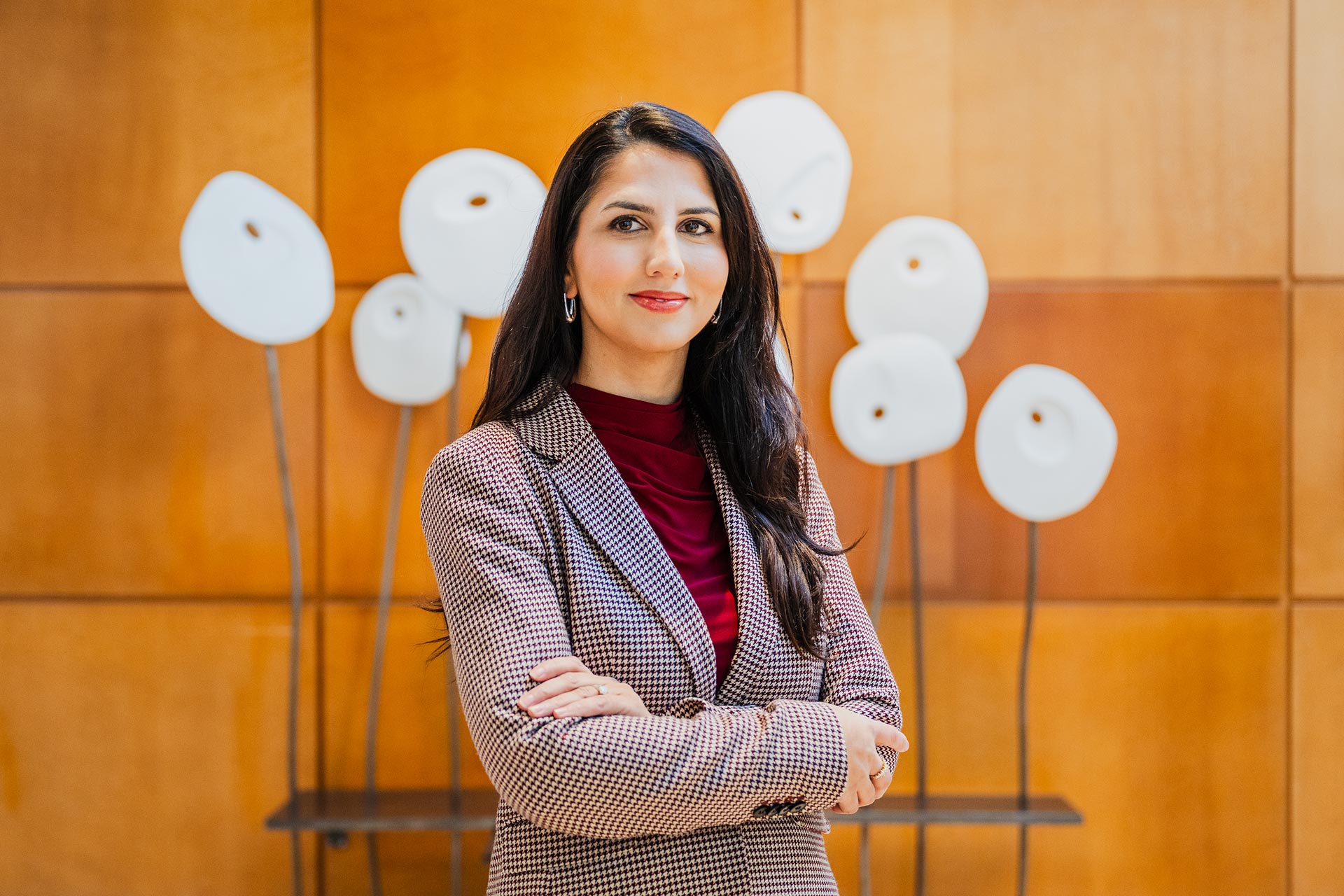
Homira Osman, PhD
“After diagnosis and treatment decisions are made, many people living with myasthenia gravis face another set of challenges: access, funding, and support.
During my postdoctoral fellowship at the University of Toronto and SickKids, I trained in knowledge translation and really fell in love with it. I became aware of the persistent gap between the worlds of research and clinical care, community practice, and policy and the critical importance of bridging that divide.. At Muscular Dystrophy Canada, I oversee research initiatives and work on issues of public policy, advocacy, access, and funding for people affected by not only muscular dystrophy, but all kinds of neuromuscular disorders, including myasthenia gravis.
On the public policy side, there are a number of different issues, but a big one is access to early and accurate diagnosis. In Canada, many patients spend about five years being shuffled around between different health care professionals before they finally receive a diagnosis. That diagnostic odyssey can be devastating. I know of one patient who was given a terminal misdiagnosis before they eventually learned they had myasthenia gravis. It should be possible to shorten that journey significantly.
Other times, I’m working on access to treatment. There are very good treatment and management options for myasthenia gravis once a diagnosis is made, and we live in a time of exciting innovation with new therapies like targeted biologics. It’s a hopeful landscape, but many patients are still not getting access to the treatments that might work best for them, and access is not equitable province by province or territory by territory. I hear all the time from patients who are frustrated because they feel they need to demonstrate failure on one treatment before they can be considered for another. It’s heartbreaking to be told that their response to treatment is ‘good enough’ when they know it could likely be better.
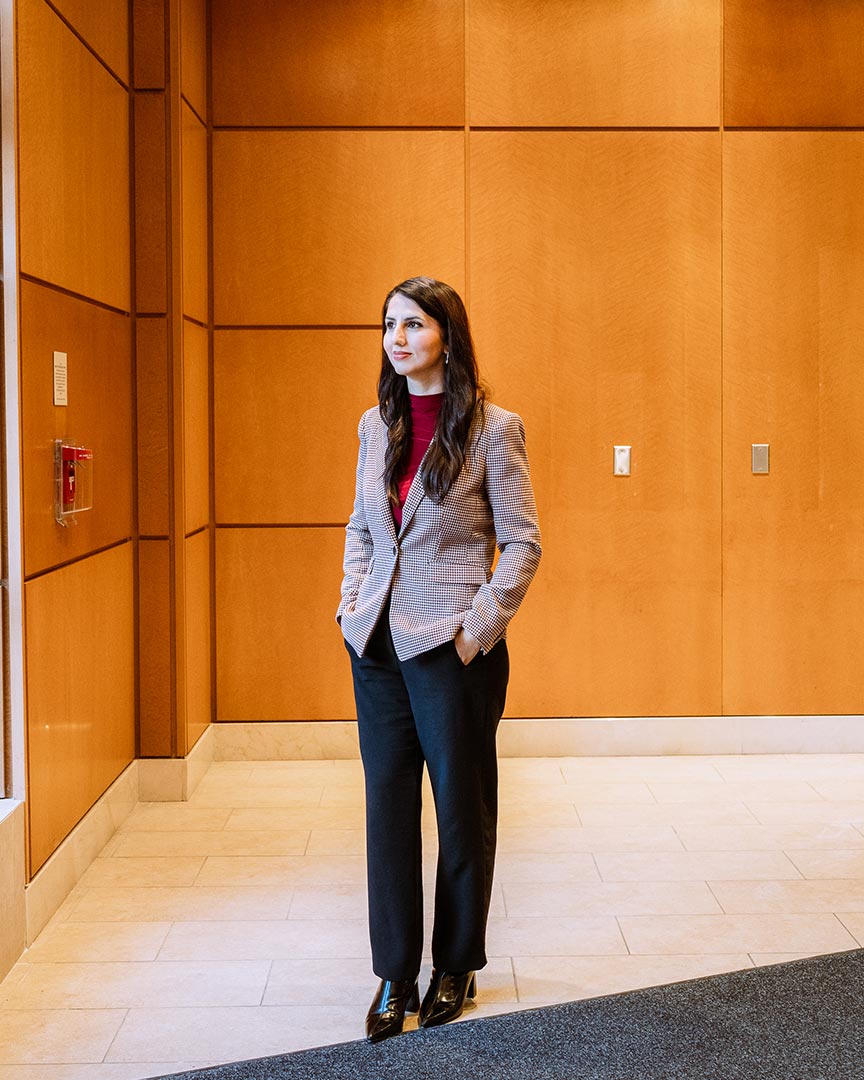
Similarly, on the funding side, myasthenia gravis patients can find themselves caught in this same limbo between ‘good enough’ and ‘bad enough.’ Living with myasthenia can be incredibly expensive. Patients may lose out on work, enter early retirement, or need disability support that isn’t always available to them. I recently spoke to someone who was told they didn’t qualify for accessible transportation through their city because they weren’t in a wheelchair full-time. They weren’t ‘disabled enough.’ This is a common experience for people with myasthenia gravis, whose disability is often invisible and can vary from day to day.
This is a significant neuromuscular condition that impacts people’s lives in enormous ways, and these patients need and deserve support. We have the treatments and the tools to move beyond symptom management and stopgap solutions toward a future where people with myasthenia gravis can truly re-engage with their lives.
There’s a lot of work to be done, and I feel privileged to be part of it. I’m also constantly inspired by the people I work with. People living with myasthenia gravis serve on our steering committees and volunteer boards. They’re patient research partners on our research projects. Bringing people with lived experience together with clinicians and policymakers is a big part of what makes this work so meaningful. It allows us to co-create solutions that lead to better health outcomes.”
Muscular Dystrophy Canada is breaking down barriers so that people living with neuromuscular disorders — including myasthenia gravis — can live full, engaged lives.
In partnership with the neuromuscular community and with the support of our donors, partners, and Canadian firefighters, we invest in research, champion earlier diagnosis, and advocate for equitable access to innovative treatments and therapies. Too many Canadians face long diagnostic delays, unequal access to therapies depending on where they live, and significant financial and social burdens that affect work, education, and daily life.
Alongside influencing public policy and driving system-level change, we deliver a basket of programs and services including system navigation, peer support, equipment funding, research and trial opportunities, and advocacy initiatives. Through our new MG Action Network, we are building a national coalition of people living with myasthenia gravis, clinicians, researchers, and health advocates committed to transforming care, access, and quality of life over the next five years.
To learn more about myasthenia gravis, access support, or get involved, visit www.muscle.ca.
Made possible with support from argenx.
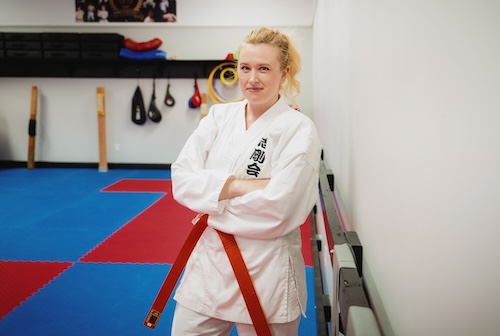
Perspectives

Rare voices, real change: Community-based advocacy efforts driving big impact
Patient Voice sat down with Beth Vanstone and Alice Williams, rare disease advocates and Ontario Rare Action Group co-founders, to discuss diagnosis, treatment and care gaps — and how grassroots advocacy can drive meaningful change.
Industry Voice
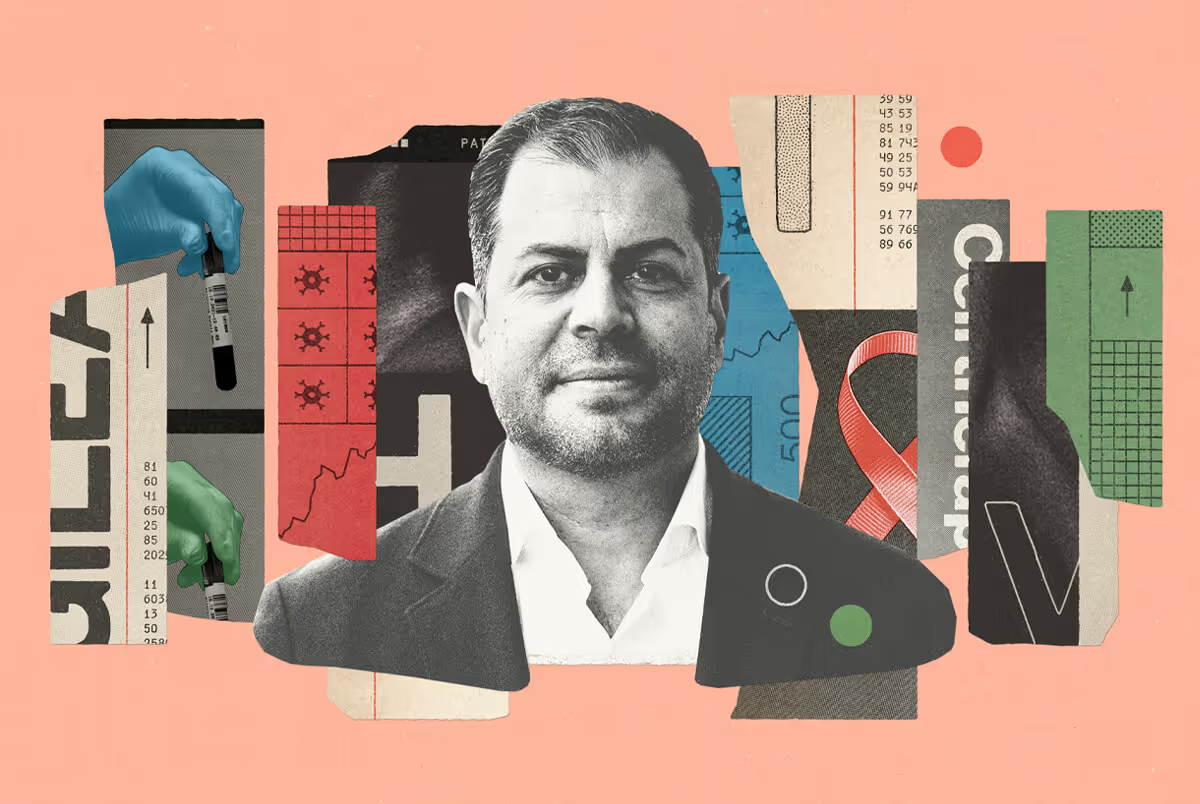
In conversation with Gilead Canada’s Christophe Griolet
Industry Voice sat down with Christophe Griolet, General Manager of Gilead Sciences Canada, to discuss how he applies global learnings in a local context, his commitment to health equity, and the incredible promise of personalized medicine.