What’s your connection to Canada’s rare disease community?
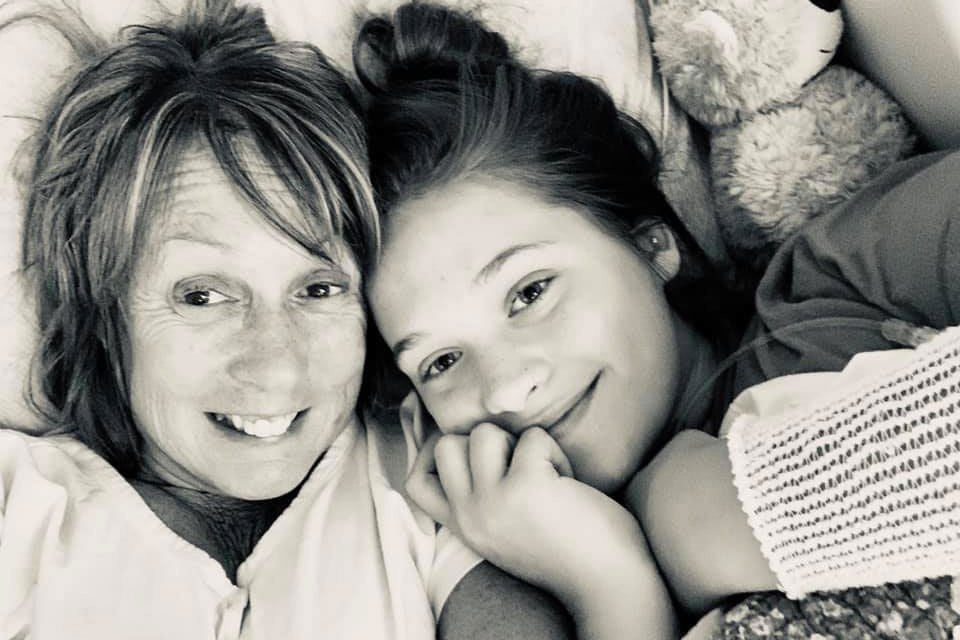
Beth Vanstone: My connection to the rare disease community began when my youngest daughter was diagnosed with cystic fibrosis at just eight months old. That diagnosis was life-changing for our entire family. Madi was extremely sick, spending months at the Hospital for Sick Children each year as her condition worsened and her quality of life declined.
When she trialled a new gene-modifying therapy and her health improved dramatically, we assumed we had finally crossed a big hurdle. But we soon discovered that although the drug was approved in Canada and deemed safe and highly effective, we would not have access to it.
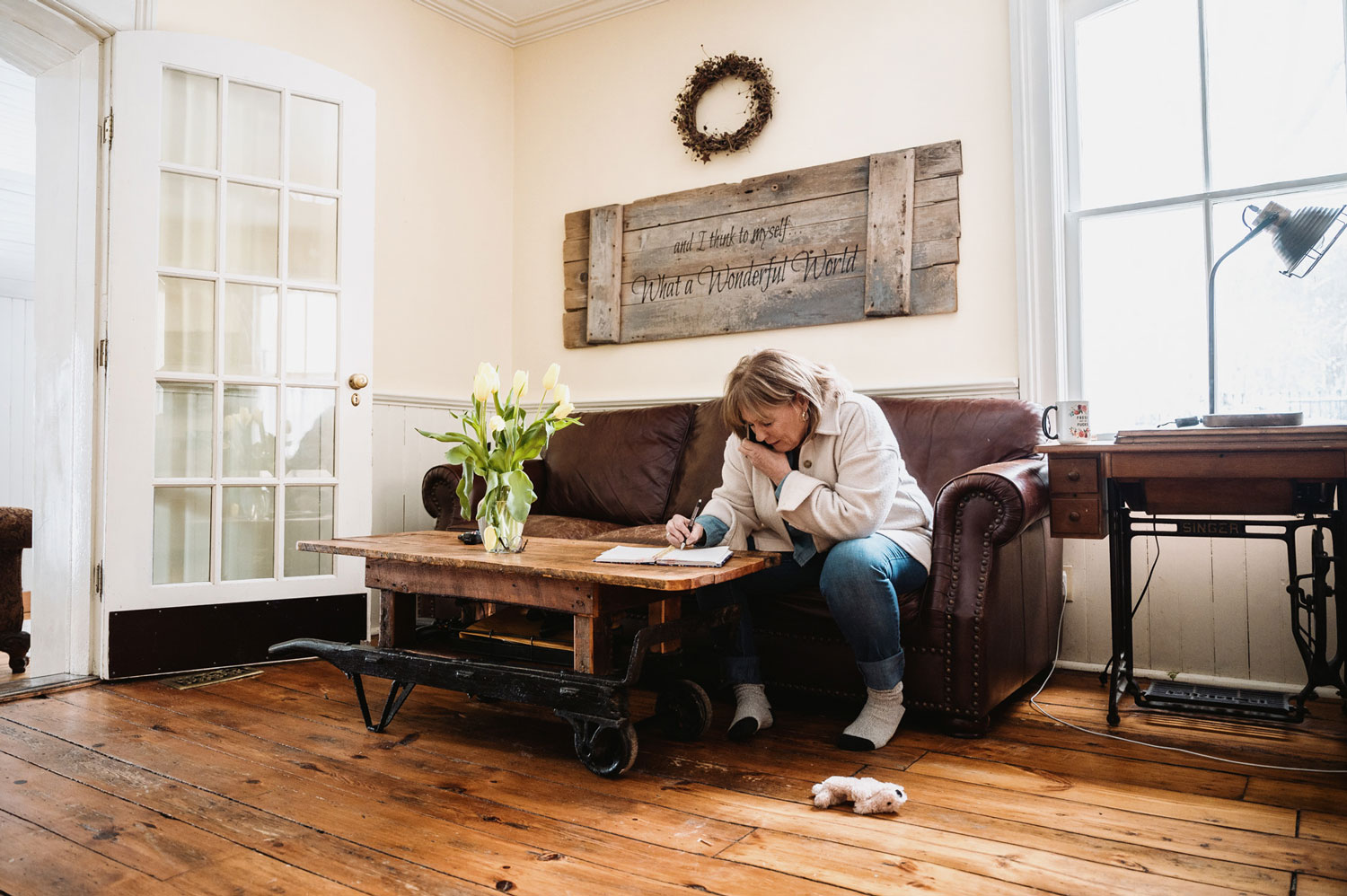
As we advocated for access to the therapy — both for Madi and others in the cystic fibrosis community — I quickly realized that the barriers we faced were the same ones confronting rare disease patients across Canada. I soon began attending rare disease conferences and learning firsthand about the many challenges patients and their families face. Seeing others struggle inspired me to work alongside the community to advocate for the policy changes needed to better support rare disease patients and their families.
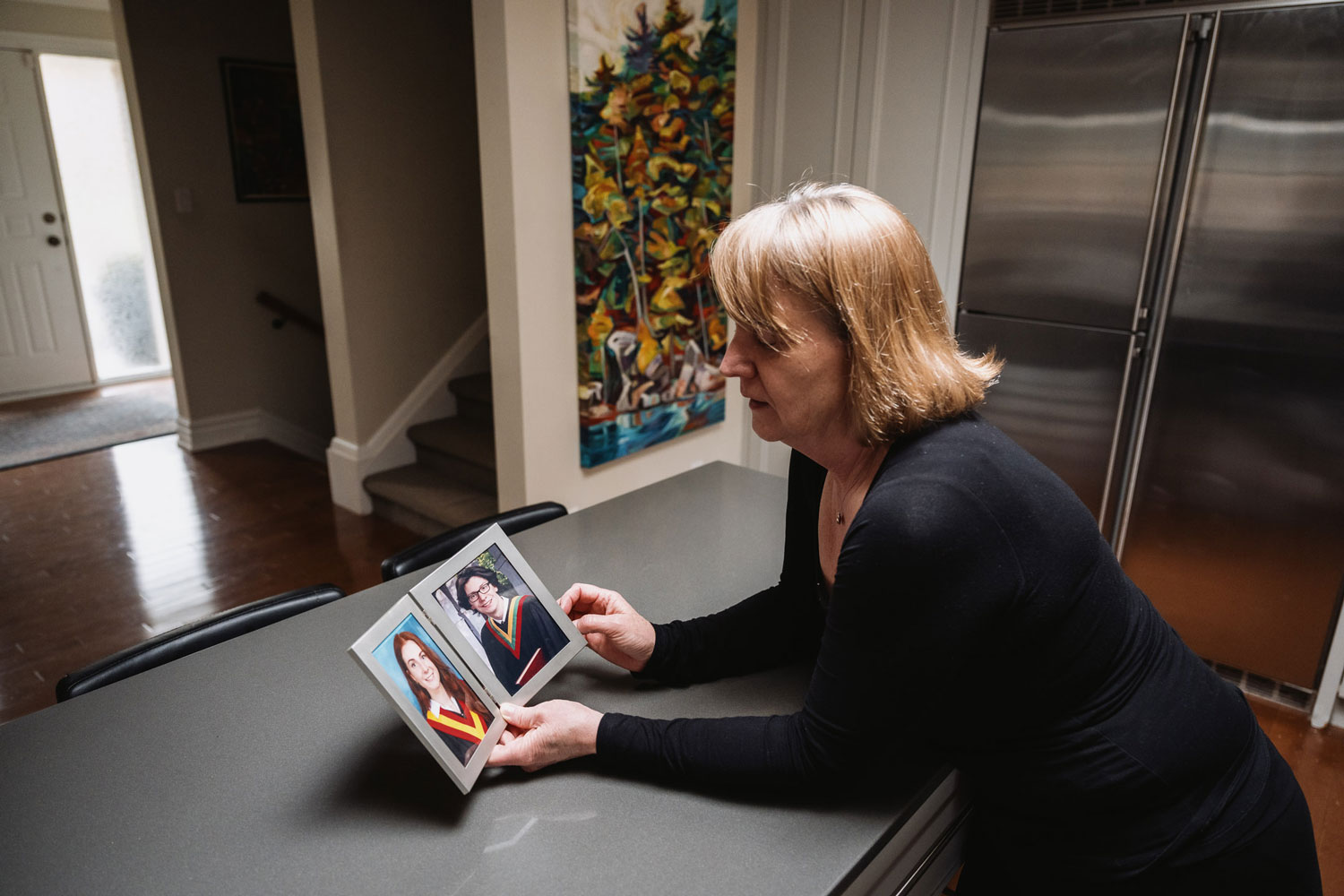
Alice Williams: I’m a mom to two adult children living with Wilson disease, a rare genetic disorder in which the liver is unable to process copper, causing a toxic buildup. Known as the great masquerader, it’s a difficult disease to diagnose and can present with a range of hepatic, neurological, and psychiatric symptoms. Left untreated, Wilson disease is fatal.
Our family has lived the full spectrum of what a rare disease diagnosis can mean — from delayed diagnosis to lifelong, expensive treatment, and, for my daughter, a life-saving liver transplant. What began as survival quickly turned into advocacy. Through this journey, I’ve connected with families across Canada and around the world facing different rare diseases but strikingly similar challenges.
What are some of the unique challenges/barriers that Canadians impacted by rare diseases face?
AW: Many patients feel invisible in a system built for common conditions, not rare ones. One of the biggest barriers is inequity — where you live in Ontario or Canada can determine your access to diagnosis, specialists, treatments, and even survival. Long diagnostic delays, lack of awareness among health care providers, limited newborn screening, and inconsistent drug coverage across provinces all take a real toll on families. I also worry that many innovative therapies currently in development may never reach Canada due to our small patient population and the complex regulatory environment pharmaceutical companies face.
What can we do — both as a country and as everyday Canadians — to overcome these challenges?
BV: Education is critical to driving meaningful change. Sharing our stories about the challenges faced by patients and their families can be incredibly powerful. As patients and caregivers, we must help our Members of Parliament understand how policy failures impact not only individuals and families but the entire health care system. A comprehensive rare disease strategy that includes expedited pathways for therapies, centres of excellence for care, and expanded newborn screening will help keep patients out of emergency rooms, reduce the impact of disease through early diagnosis and treatment, and improve outcomes for both patients and the health care system. With policies that recognize and support their unique needs, rare disease patients and their families can live much better lives. Many other developed countries already have rare disease programs in place. We need to unite our rare voices to ensure policymakers understand that Ontarians and Canadians need a rare disease strategy as well.
Your group believes strongly in the power of grassroots advocacy. Why has this approach been effective for you?
AW: Grassroots advocacy works because stories move people in ways statistics can’t. When patients and caregivers share their lived experiences directly with decision-makers, it humanizes policy gaps and creates urgency.
When I started working in health advocacy, I read a fantastic book by Susannah Fox called Rebel Health: A Field Guide to the Patient-Led Revolution in Medical Care. She gives so many inspiring examples where patient groups created and led systemic changes and improvements. Many of these movements began very small, with just one person. At the end of the day, health care exists to serve patients, and the decision-makers need to hear patients’ voices and challenges to ensure the system is working for them.
.jpg)
What are you hoping to achieve through this work? Do you feel these goals are within reach?
BV: I hope our united voices will spark and sustain a meaningful dialogue with the Ministry of Health that ultimately leads to the implementation of a rare disease strategy in Ontario. When rare disease groups come together, we realize that despite differing diagnoses, we share many of the same systemic challenges.
I’m a very positive person, and the word “can’t” isn’t in my vocabulary. I will continue working alongside this incredible community until we achieve policies that truly support those living with rare diseases.
To learn more about the Ontario Rare Action Group, or to support their work, click here.