When “almost okay” wasn’t enough: Hannah’s face-off with PNH and motherhood
During her fertility journey, Hannah was diagnosed with paroxysmal nocturnal hemoglobinuria, a rare blood disorder that reshaped her path into motherhood and made every day a battle against fatigue.
Hannah is a proud supporter of:
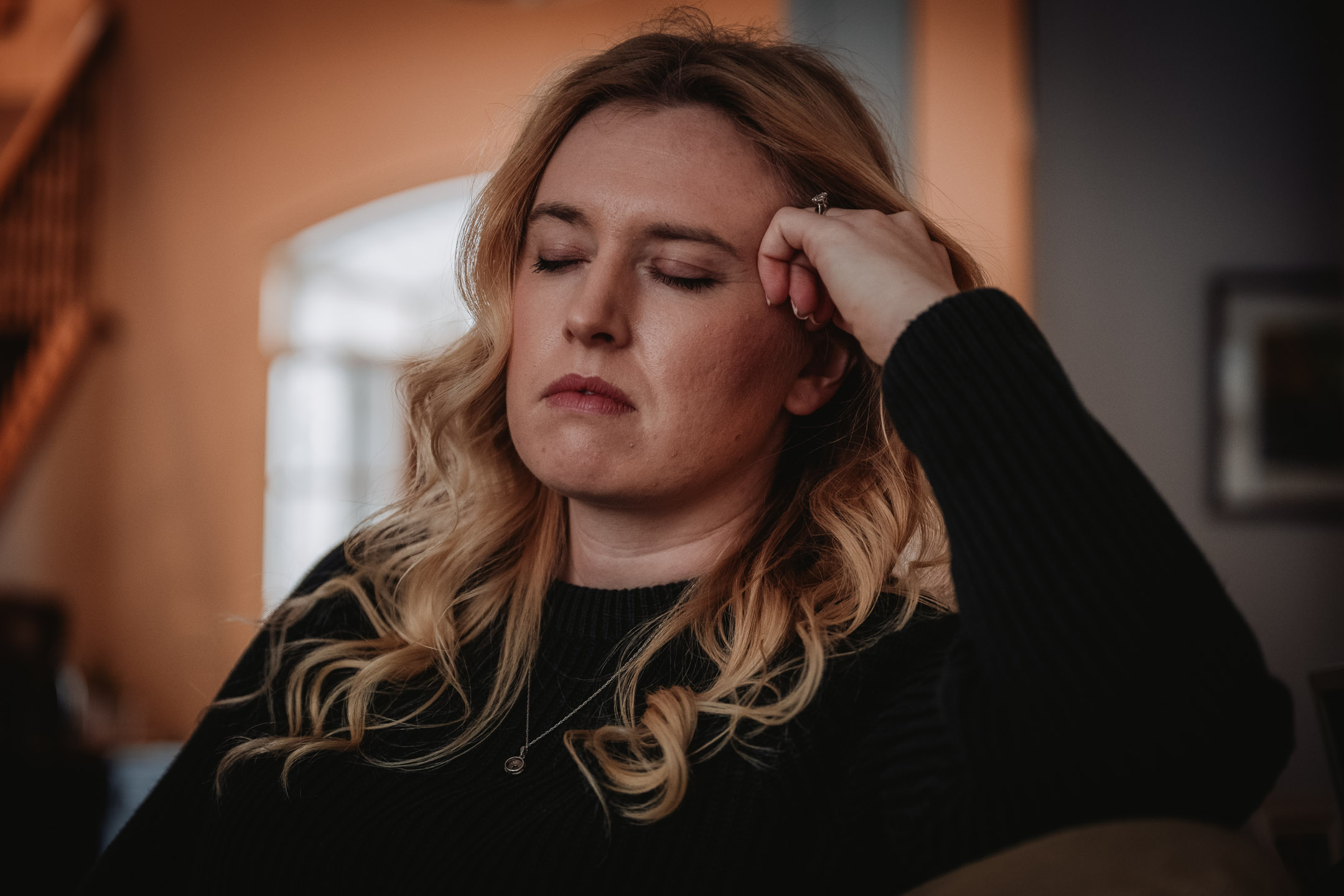
“I’d been feeling really tired for a couple years and the doctors couldn’t tell me why. I was in my twenties and I’d always been an active person. I loved hiking, running — all kinds of outdoor sports. Spending time outside, exercising and feeling the strength of my body, was one of my great joys. But as my fatigue got worse, it got harder and harder for me to do those things. It got hard to do anything. I started wondering if I’d just become a lazy and unmotivated person. I didn’t realize there was something seriously wrong.
At the same time, my husband Andrew and I were trying to start a family and we were having trouble conceiving. Once we started fertility treatment, bloodwork revealed that my hemoglobin was consistently low. That was enough for them to send me for a bone marrow biopsy and within a day I got the call. I had paroxysmal nocturnal hemoglobinuria (PNH), a rare blood disorder where red blood cells break down prematurely.
A recent Canadian study found that people with PNH often saw four or more healthcare providers and waited a median of 14 years for an accurate diagnosis. These delays are driven by low awareness of PNH, limited testing, and vague symptoms like fatigue.
I’d never heard of PNH, and what I found when I googled it was very scary. Not that long ago, people with PNH were being told their expected survival was only 10 to 15 years. I also learned, though, that research has come a long way and that today there are multiple treatment options available for people living with PNH. But I was told I wasn’t sick enough yet to qualify for treatment.
And then, very shortly after the diagnosis, I learned I was pregnant. It was very happy news, but also a frightening new dimension to the growing uncertainty around my health and my future. I was monitored very closely through that pregnancy and Noah arrived healthy, if a little early.
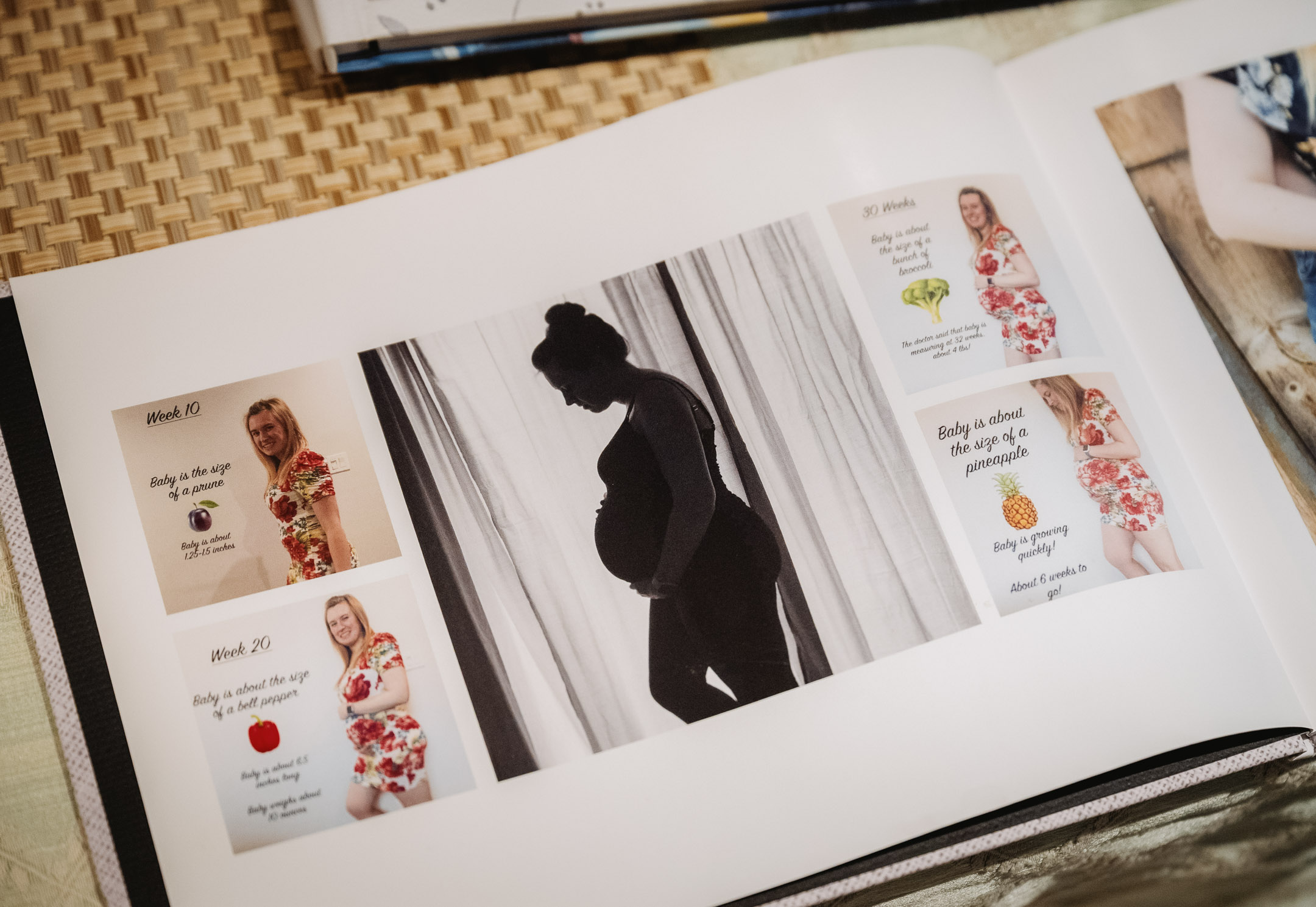
When I got pregnant with our second child, Elijah, less than a year after our first was born, my PNH took a bad turn. Suddenly I was sick enough for treatment.I had to start on emergency medication in the middle of the pregnancy and it was terrifying.
Thankfully, Elijah arrived healthy as well — though even earlier than his brother had — but then postpartum depression struck hard. I was swept away by waves of fatigue and it just devastated my mental health. All I wanted was to be a good mom to my two little boys, but everything felt so dark and hopeless. I could barely even take care of myself. I struggled just to get out of bed in the morning, never mind organize a playdate. The guilt kept piling higher and higher.
It’s a difficult time to look back on. I needed help, but I didn’t have the strength to advocate for it. I needed support from people who’d gone through what I was going through, but I didn’t have the energy to find those people. I’m so lucky that my doctors and my family advocated for me when I couldn’t. They believed I could get better, even when I didn’t.
With the support of my husband and my health care team, I got treatment for postpartum depression. I also switched PNH medications. I got in touch with support groups, and I finally started meeting other people with the same illness. I was still struggling, but eventually I started feeling almost okay.
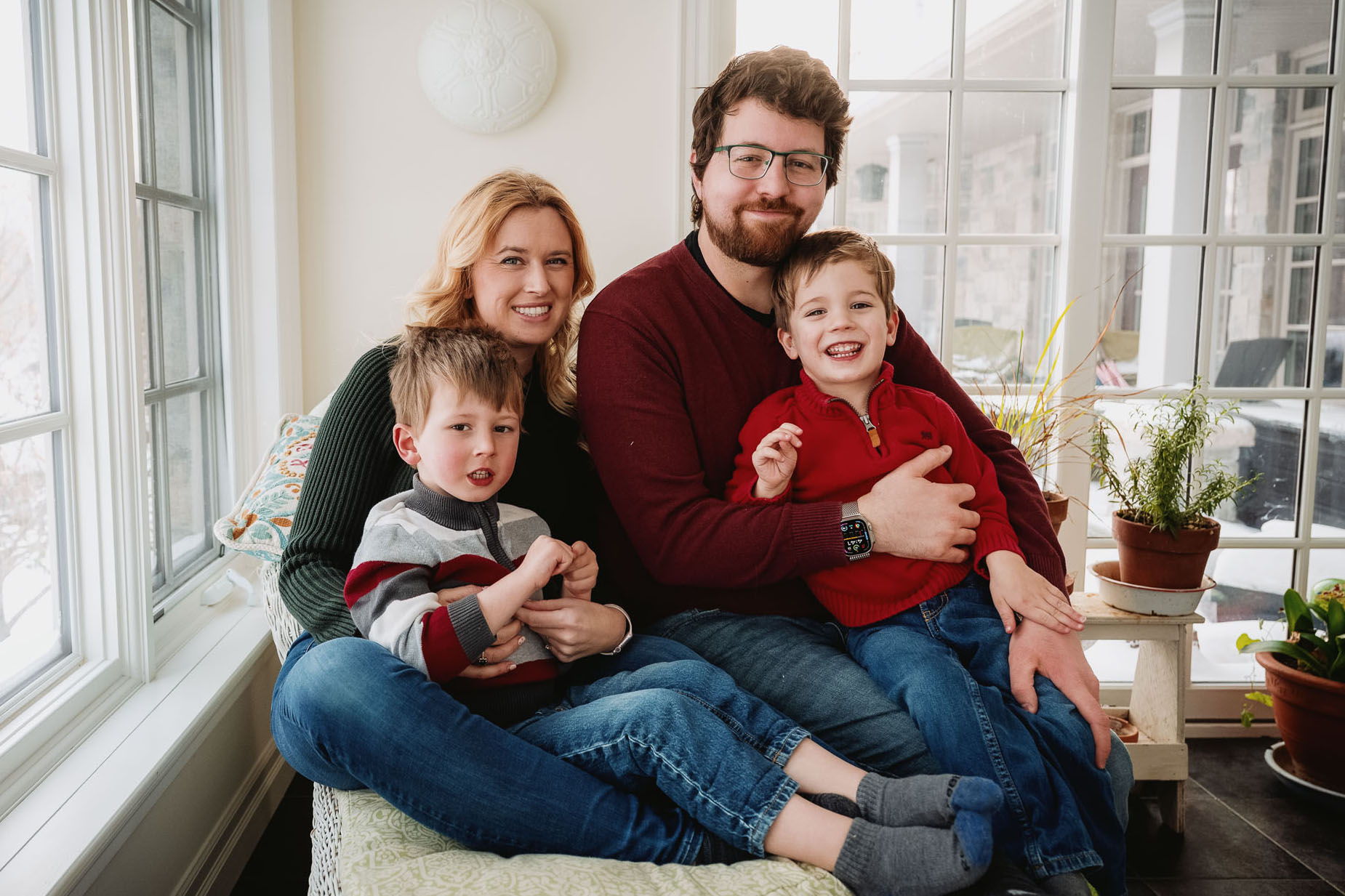
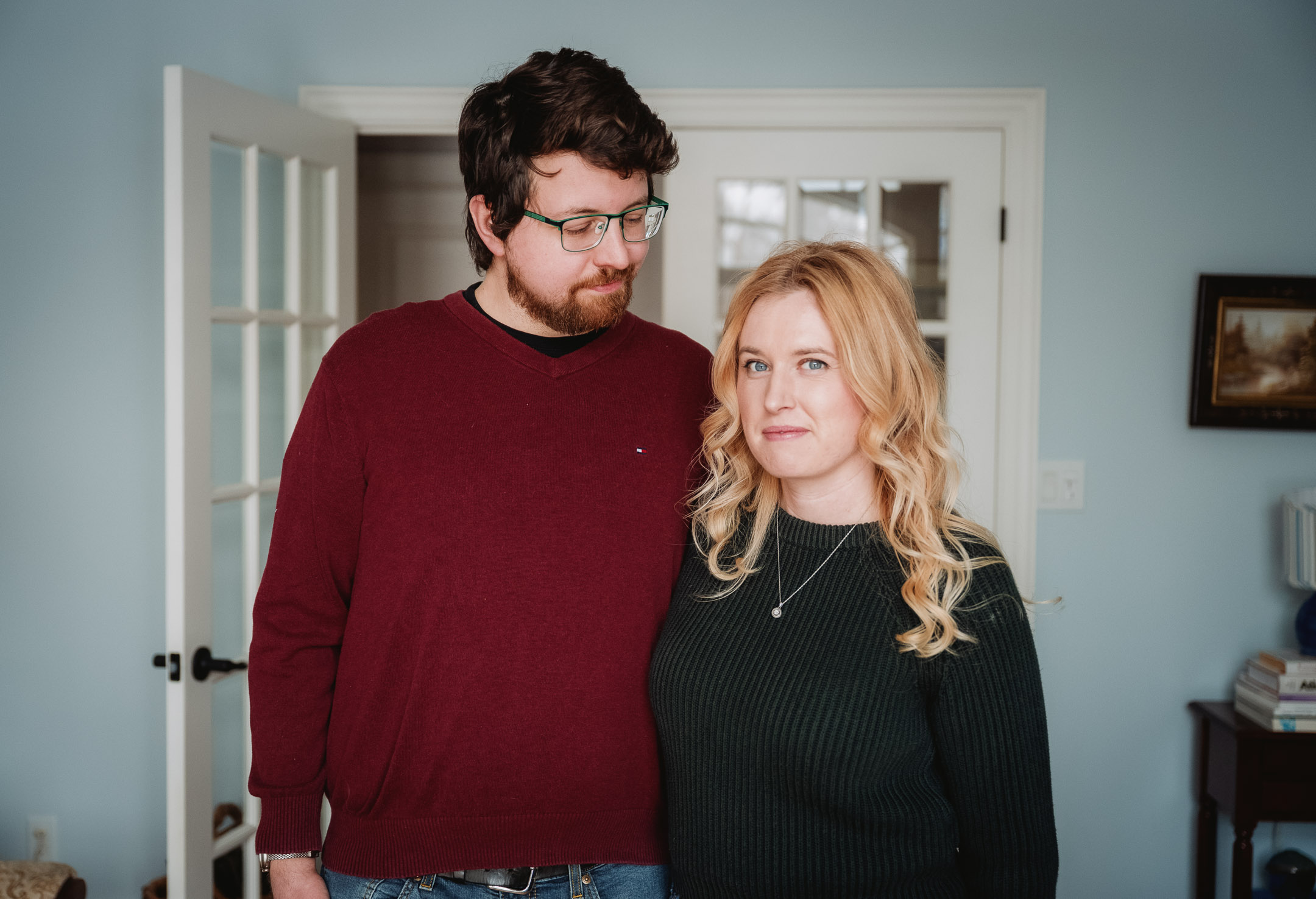
Hannah and her husband Andrew.
It took me a while after that to understand that ‘almost okay’ wasn’t good enough. On good days, I had the energy to take my older son to karate, to take my younger son to a play group, to spend time with my friends. But on the bad days, all I could do was lie in bed. And I was still having a lot of bad days. I wanted more out of life.
Even on treatment, some people with PNH may still experience fatigue, low hemoglobin levels, transfusion dependence, and more. Keep track of your symptoms and consult your doctor to make sure you’re on a treatment plan that works for you.
From talking with other PNH patients, I knew I was very fortunate my disease wasn’t worse. But I also knew the difference that the right medication could make. I realized my symptoms didn’t have to be maximum bad for me to deserve better. That’s when I started really advocating for myself.
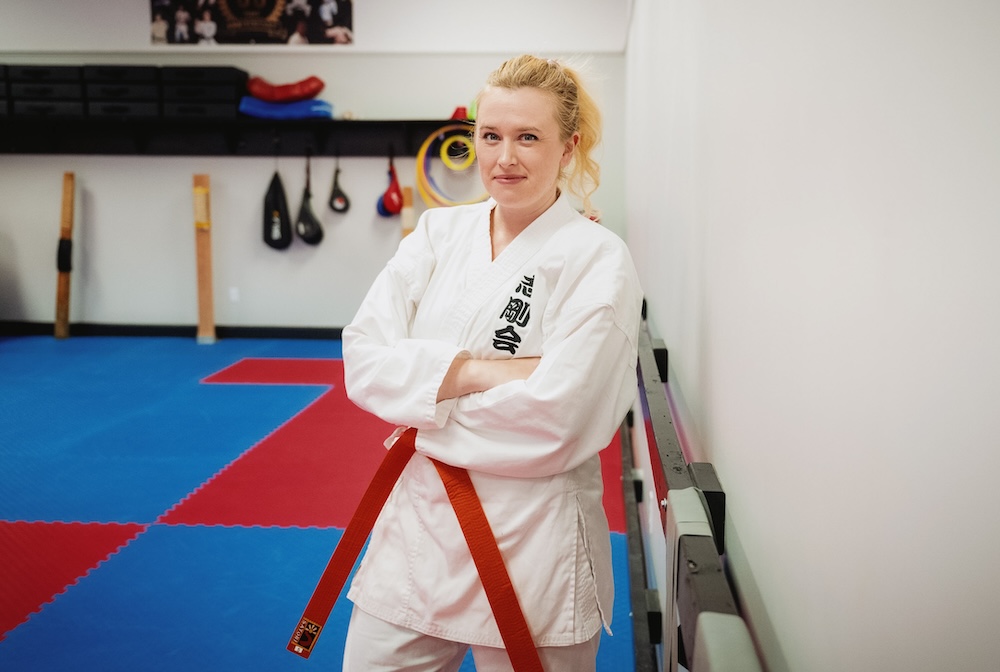
And, when I switched medications again, it was an absolute game-changer. My energy came back, and I was able to be a little more active in ways I’d almost given up on. I started looking into what kinds of workouts are recommended for people with PNH. Everything I found pointed to gentler exercises like walking and yoga. And, I mean, I do love walking, and I’ve tried yoga, but I was craving something more intense. So I signed up for the women’s karate classes at the same place my older son goes and I just fell in love with it. Now my younger one, who’s just three, has started lessons as well and it’s incredible that this is something we can share as a family.
No items found.
Hannah and her boys practicing karate.
No items found.
Hannah and her boys practicing karate.
I still feel some fatigue and my hemoglobin is still low, but both are closer to what feels manageable for me. PNH still affects me, but it doesn’t define my daily life anymore. There are days when things are hard, but I now have the strength to push through. I’m able to show my boys what it means to persevere even in the face of challenges. I think this is part of why karate has become so meaningful to me. When there’s a belt ceremony and we’re there together in our gis, it’s a tangible reminder of how far I’ve come and how strong we are.”
{{CTA}}
Learn more about sub-optimal treatment response at RethinkPNH.ca.
Created with support from Sobi Canada.
If you or someone you know is living with paroxysmal nocturnal hemoglobinuria (PNH), speak to a physician about personalized disease management to ensure you’re living the best quality of life possible.
For further information and support, Canadian organizations supporting PNH patients and family members include:
Canadian Association of PNH Patients: The Canadian Association of PNH Patients (PNHCA) is the only patient association in Canada dedicated to paroxysmal nocturnal hemoglobinuria (PNH). Our mission is to make a difference in the lives of people living with PNH through advocacy, education, resources and support to help them rise above the challenges of their disease and experience the best quality of life possible.
Aplastic Anemia & Myelodysplasia Association of Canada:The Aplastic Anemia & Myelodysplasia Association of Canada (AAMAC) supports patients and caregivers across the country who are living with aplastic anemia, myelodysplastic syndrome (also called MDS or myelodysplasia) and paroxysmal nocturnal hemoglobinuria (PNH).