

Hepatitis delta virus, or HDV, is a rare and progressive liver condition that can dramatically impact one's health if left undiagnosed or unmanaged. Fortunately, the potential of new and emerging treatments is bringing hope to a historically underserved and misunderstood community.
We spoke with Ravshan Yakubov, Dr. Carla Coffin, and Jennifer van Gennip, three Canadians living with, caring for, or advocating on behalf of those affected by HDV, to identify diagnosis and care gaps, advocate for prompt access to new therapies, and combat stigma through storytelling.

Ravshan Yakubov
“I’ve known I had hepatitis B from a very early age. Growing up in Uzbekistan, I contracted the virus from a used needle while receiving routine immunizations at daycare.
I had a very difficult childhood. Because of the stigma and misinformation that came with a hepatitis B diagnosis, I was excluded from so many things. And doctors didn’t fully understand my condition, so I was given strict and unrealistic limits — like not being able to lift anything heavier than a spoon. That said, sports were completely out of the question.
Instead, I channelled all that energy into studying. I stayed indoors a lot. I basically grew up in my dad’s garage, watching him work on cars. I taught myself English. Fortunately, my parents were there for me every step of the way, doing whatever they could to get me the best care with limited access to resources. Without their efforts I don’t think I’d be here today.

When I was 20, I got the chance to spend a year in the U.S. as a university exchange student. I fell in love with North America and made it my goal to move there permanently one day, to contribute and make it better. Eventually the opportunity arose for me and my wife to migrate to Canada. But, when I disclosed that I was living with hepatitis B, it delayed the process by two years. When we finally arrived in Canada, my new family doctor’s face went pale when she saw hepatitis B on my intake form. She was insistent that we needed to do some additional tests.
“I’d never even heard of hepatitis D before. Most terrifying of all, there was nothing we could do about it at the time. No approved treatment and no clear care pathway.”
I wasn’t too worried. I’d been living with hepatitis B my whole life. I went for the tests, of course, but my wife and I were more focused on our baby daughter and navigating the complexity of starting a new life in Canada. New house, new jobs, new life.
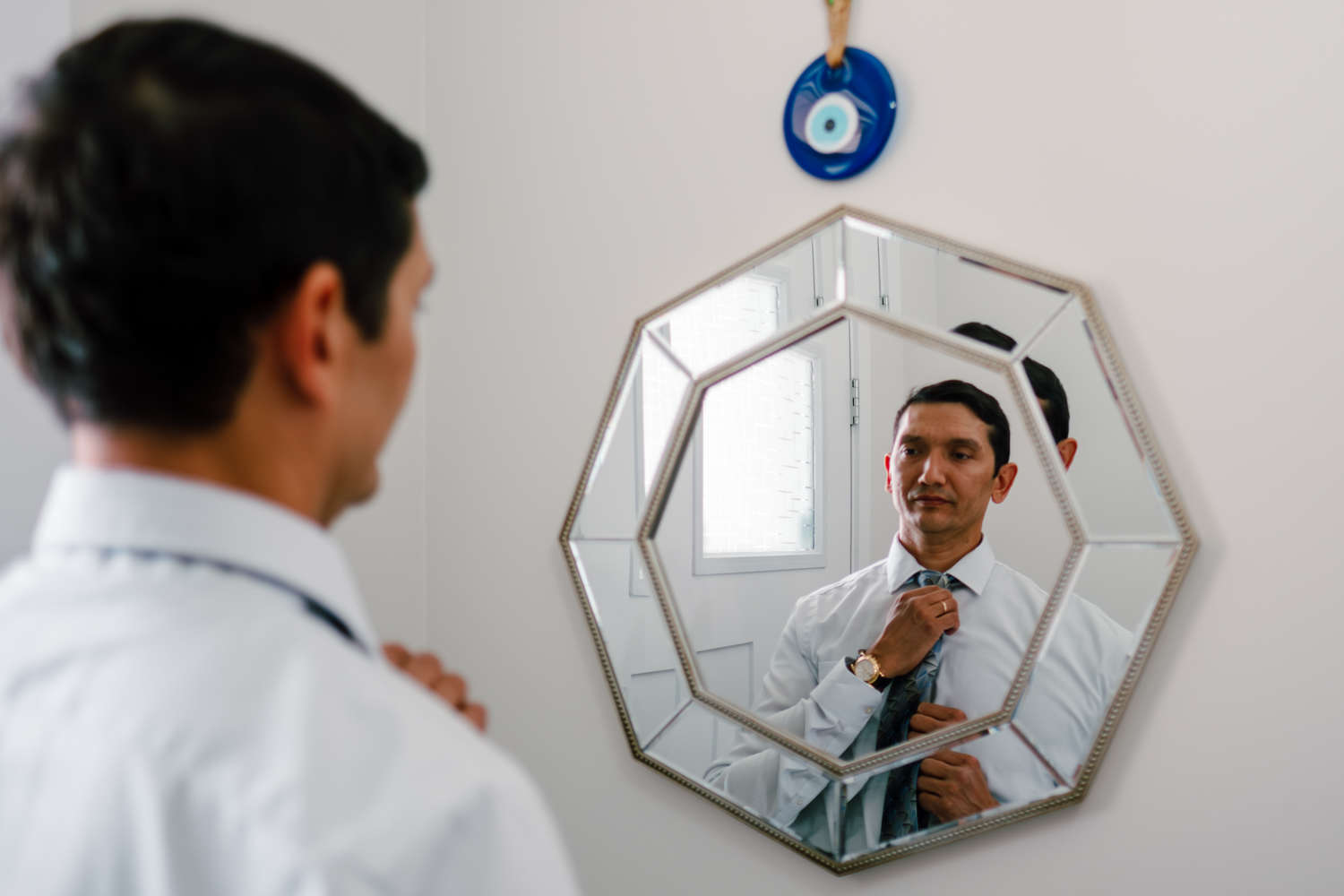
When the results came back showing cirrhosis (severe liver damage) and hepatitis delta virus (HDV), or hepatitis D, I was caught totally unprepared. I’d never even heard of hepatitis D before. Most terrifying of all, there was nothing we could do about it at the time. No approved treatment and no clear care pathway. In time, the doctor said, we’d likely be talking about a liver transplant. Until then, all we could do is monitor it.
I spent a lot of time being afraid in those first years, but I’m fortunate that my disease has remained stable. That’s not to say that I don’t still get anxious before my regular liver scans. So much could change for me and my family in the blink of an eye. Liver failure, liver cancer, or other serious complications are always in the back of my mind, threatening to take away my health and my ability to care for my family.
.jpg)
Thanks to active monitoring and a personalized care plan, both my hepatitis B and D viral loads are now undetectable. I still have my same liver, 15 years on from that conversation where I was put on the clock. That’s time I’ve been able to spend with my daughters. Taking them to the local water park. Travelling with them and creating memories. Sharing our Uzbek culture with them.

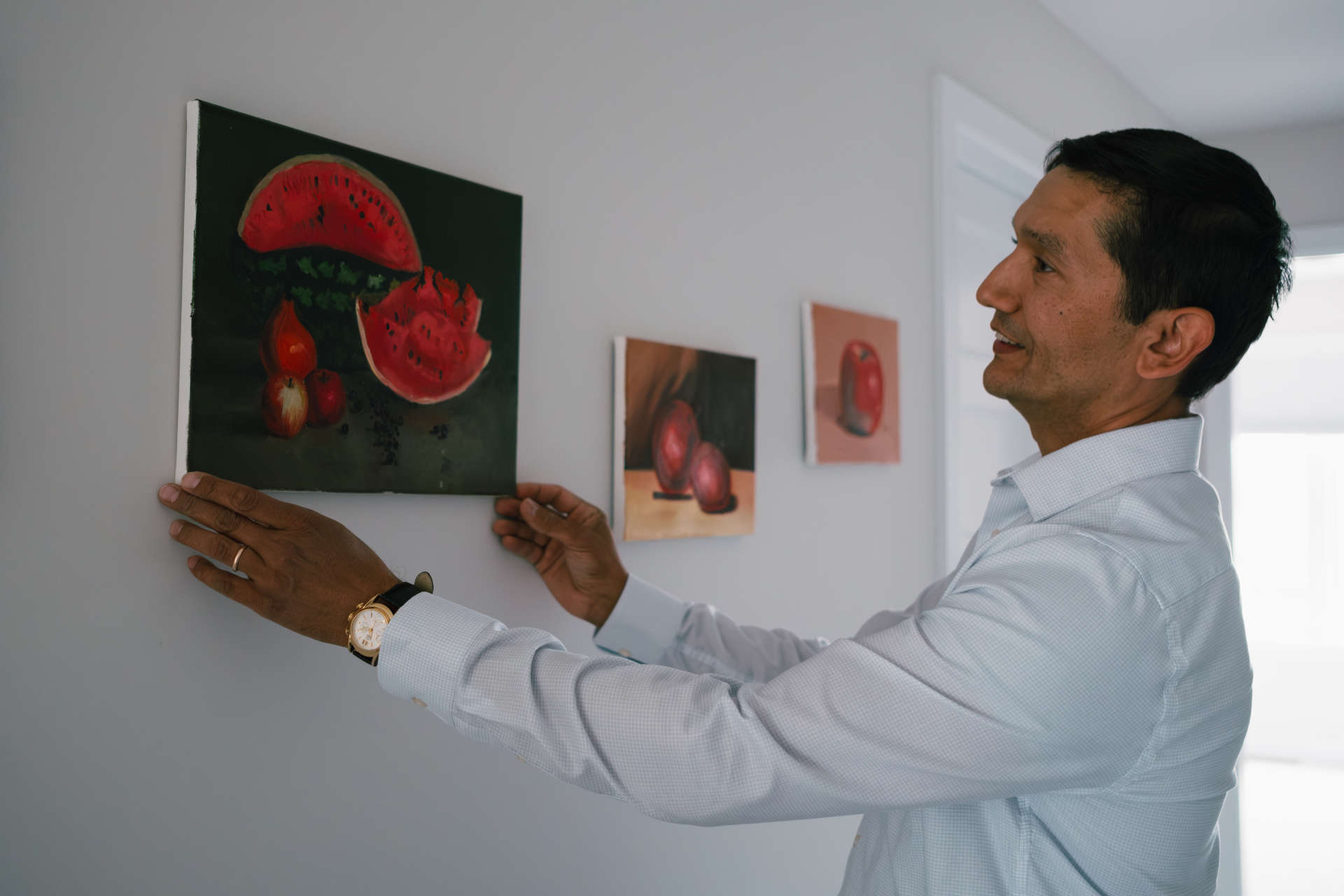

I want to stay healthy for my family as long as I can. So I’m taking care of myself every way I can. Eating well. Going to the gym. Equipping myself with the knowledge to help me have informed conversations with my hepatologist (liver specialist). My wife’s an ICU nurse and she’s told me all these stories about how muscle mass helps people recover faster from all kinds of things. So I’m training as though I’ll still need that liver transplant. I’m lifting things much heavier than a spoon, because the guidance has changed so much since the Soviet era. I even completed a Spartan Race in 2018. I wanted to show others what’s still possible following a hepatitis B or hepatitis D diagnosis.
Now I’m working hard as an advocate to destigmatize these diseases and ensure that everyone with hepatitis gets the best care and newest treatments available. It can be too easy to fall through the cracks of the health care system, especially as a newcomer to Canada. For people with conditions like mine, falling through the cracks can be deadly.”
The liver performs over 500 daily functions that are vital to life. These include filtering toxins from your blood, managing blood clotting, making bile to digest fat, storing sugar for energy, turning extra glucose into glycogen, and making protein for blood plasma.

DID YOU KNOW?

Dr. Carla Coffin
“The hepatitis delta virus or HDV is an unusual pathogen in that it’s only capable of infecting people who already have hepatitis B. Sometimes people will contract hepatitis B and hepatitis D at the same time, and sometimes a person will contract hepatitis B first and then later be exposed to hepatitis D.
We need to do more hepatitis B and hepatitis D research and track its epidemiology in Canada. That is important because we’ve actually gotten very good at treating hepatitis B by itself. We’re often able to see hepatitis B patients stabilize and even improve with treatment. However, these drugs are not active against hepatitis D. A person that has both hepatitis B and chronic hepatitis D infection may still develop progressive and severe liver disease even when we treat the hepatitis B. Liver fibrosis (scarring), cirrhosis, cancer, the eventual need for a transplant — all these complications are much more aggressive with hepatitis D. For a long time, there was nothing we could do to stop it. Historically, there’s been very little drug development for this disease.
Although research into new treatments is increasing, hepatitis D remains underdiagnosed and underrecognized. Even in community members living with hepatitis B, a lot of people have never heard of HDV. This is potentially dangerous, because people can live with HDV for years without visible or obvious symptoms, even while liver damage accumulates over time. You might not know anything’s wrong until you’ve already developed severe liver scarring, cirrhosis, or liver cancer.
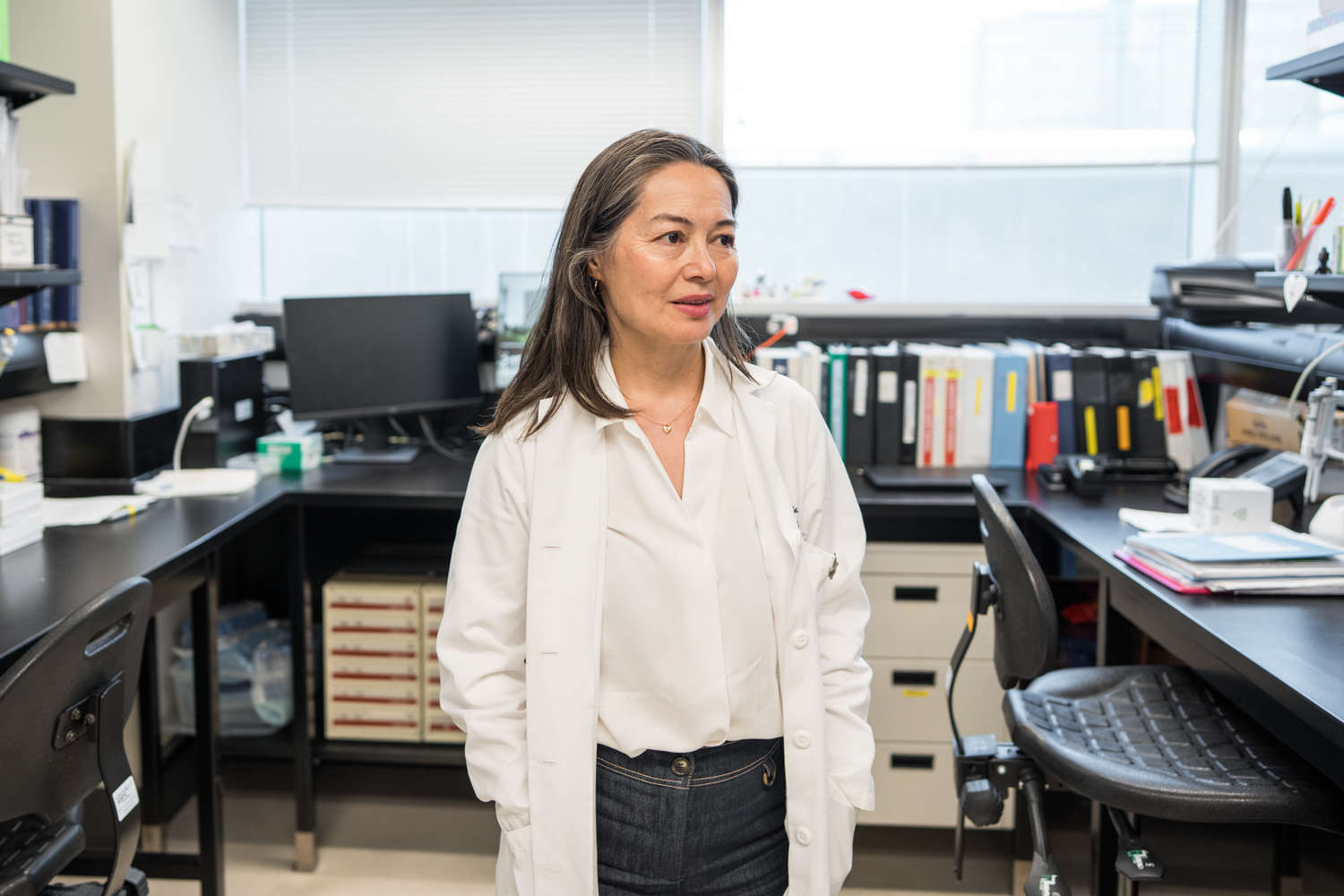
The good news is that, if you’re immunized against hepatitis B, you’re protected from both hepatitis B and D for the rest of your life. But there are many people living in Canada who were born in countries where the vaccine wasn’t available, many who were born in Canada before immunization became universal, and many who didn’t receive the vaccine for other reasons, or who received it only after they’d already been exposed to the virus. When I’m talking to a patient with chronic hepatitis B, I counsel that they were probably first exposed to the virus as a child. Some were exposed to hepatitis B at birth. Sometimes they were exposed through a cut or a scrape or a used needle, usually before the age of five. Many people living with hepatitis B and D experience immense stigma.
“Liver fibrosis (scarring), cirrhosis, cancer, the eventual need for a transplant — all these complications are much more aggressive with hepatitis D. For a long time, there was nothing we could do to stop it.”
Ideally everyone who’s even potentially at risk would be routinely screened for hepatitis B. Ideally, everyone newly diagnosed with hepatitis B would then be automatically screened for hepatitis D through what we call ‘reflex testing.’ But a lack of understanding about these diseases can get in the way of screening and care. There’s so much miseducation and misinformation out there about hepatitis B. And when it comes to HDV, there’s often no education or information at all. We’re working to try and change that.”
Hepatitis D is a serious liver infection that only occurs in people who have hepatitis B. Compared to hepatitis B alone, HDV can lead to faster disease progression and a higher risk of cirrhosis, liver failure, and liver cancer.
DID YOU KNOW?

Jennifer van Gennip
“Our goal at Action Hepatitis Canada is the elimination of viral hepatitis as a public health threat in Canada. Hepatitis D is the most aggressive form of viral hepatitis, but when establishing the viral hepatitis elimination goals in 2016, the World Health Organization did not name hepatitis D. However, since you can only get hepatitis D if you have hepatitis B, when we eliminate hepatitis B, we’ll also be eliminating hepatitis D.
“Our federal drug approval system can be slow, and not every province and territory will consider reimbursing a new drug at the same time. It makes equitable care targets very difficult.”
While we chase these elimination targets, we must make sure we meet them through a lens of health equity and health justice. What is our testing infrastructure like? How equitable is access to treatment? Are newcomers to Canada being connected to care promptly? Are we doing everything we can to eliminate the barriers to that care, whether those barriers stem from language or culture or the design of our health care system? We need to make sure Canada’s health system reflects the needs of its diverse communities when it comes to immunization, screening, and care.
Unfortunately, on the care side, there are structural inequities baked right into our system. Our federal drug approval system can be slow, and not every province and territory will consider reimbursing a new drug at the same time. It makes equitable care targets very difficult.
.JPG)
It also doesn’t help that hepatitis is still so stigmatized. People think, oh, this is something you get from sex and drugs. But, with hepatitis B, it’s actually during your infant years that you’re most susceptible to it becoming a chronic or long-lasting infection. If you’re exposed to hepatitis B as an adult, usually your body will clear it on its own. You only have about a five to ten percent chance of it becoming chronic. It’s really our babies that we need to be protecting. The vaccine is the number one way to make sure that hepatitis B among children is zero.
The federal government has committed to the World Health Organization’s Global Viral Hepatitis Strategy, targeting the elimination of viral hepatitis as a public health threat by 2030. We still have a long way to go if we’re going to meet that goal. I spend a lot of time talking to members of parliament and policy advisors, and so I spend a lot of time thinking about what a win would look like when it comes to hepatitis public health policy. I would consider it a win if we could optimize our hepatitis B vaccination schedules and align them with global evidence. I’d consider it a win if we could standardize reflex testing for hepatitis D when someone is diagnosed with hepatitis B. And I’d consider it a win if we could implement equitable and universal access to treatment for both hepatitis B and hepatitis D.”
Action Hepatitis Canada (AHC) is a national coalition of organizations responding to viral hepatitis. Our work engages government, policy makers, and civil society across Canada to promote viral hepatitis prevention, improve access to care and treatment, increase knowledge and innovation, create public health awareness, build health-professional capacity, and support community-based groups and initiatives. Click here to learn more.
Liver Canada is the only organization in Canada that advocates for all types of liver disease, including hepatitis delta virus, or HDV. With over 100+ liver diseases, some common and many rare, our mission remains the same for all: to educate, prevent, support, and advocate for liver health from coast to coast to coast. Click here to learn more about HDV or seek support.
Click here to access a downloadable booklet.
Made possible with support from Gilead Sciences Canada.
This article is for informational purposes only and is not intended as medical advice. Consult a health care professional for complete information on hepatitis B and hepatitis D.