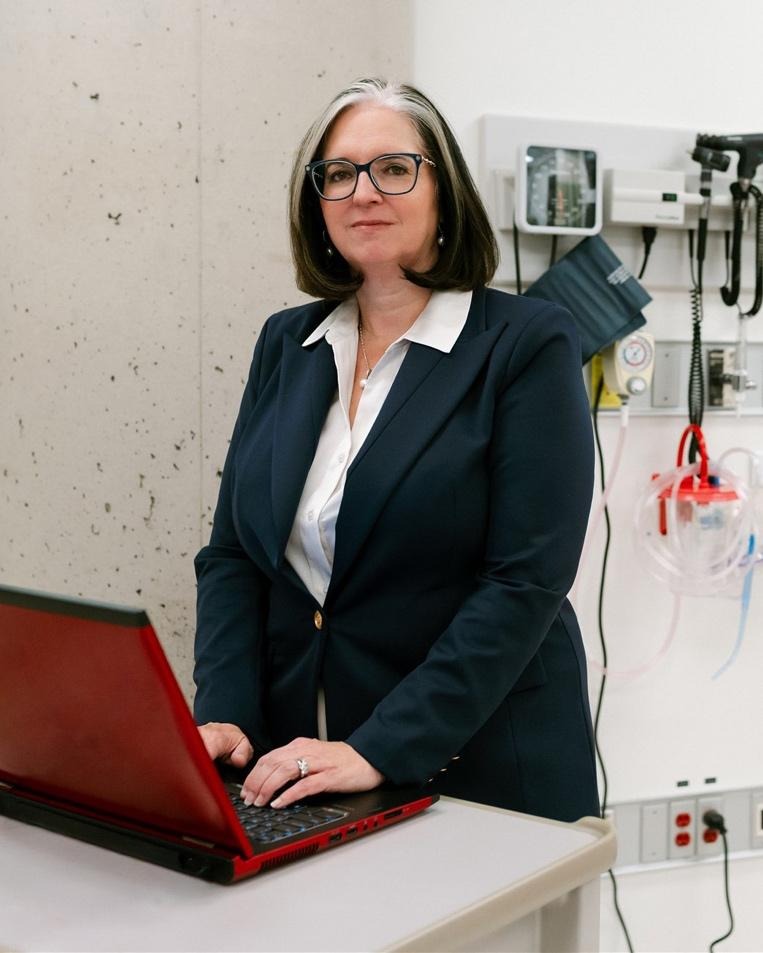
Dr. Jocelyn Garland is a nephrologist and Professor of Medicine and Nephrology at Queen’s University.
What are C3G and IC-MPGN and how do they usually present?
C3G and IC-MPGN are ultra-rare kidney diseases caused by abnormal activation of the complement system, which is part of the immune system. In C3G, the complement protein C3 accumulates in the kidney’s filters (glomeruli), while in IC-MPGN both C3 and other immune-related proteins accumulate. Both conditions can lead to inflammation and damage in the glomeruli.
The conditions are typically asymptomatic for long periods of time. Although quite rare, the conditions can sometimes present dramatically, for example with a severe infection. Often, they’re picked up incidentally, when a patient is having a urine test for a different reason. One of the first signs is blood in the urine — but it’s microscopic, so usually not noticeable — which can be detected on a urine dipstick, along with protein in the urine. That generally prompts a workup and a referral to a nephrologist. Other symptoms that could trigger further testing include swelling (edema), nausea, high blood pressure, foamy urine, and fatigue. The only way to diagnose either condition definitively is by kidney biopsy.
Both C3G and IC-MPGN are extremely rare and they’re generally idiopathic, meaning we don’t know what causes them. Certain genetic mutations or auto-antibodies can predispose patients to these diseases. They’re most commonly diagnosed in childhood or early adulthood.
How do these conditions progress?
C3G and IC-MPGN are chronic, progressive diseases that lead to irreversible kidney damage if left untreated. They cause ongoing kidney inflammation, which can lead to scarring. And once you scar something, you can’t get rid of a scar. The period of time from diagnosis until end-stage kidney failure is generally around a decade, if the conditions are left untreated.
These diseases are insidious. It’s not like the heart where if you have a heart issue, there’s chest pain or shortness of breath. Patients with C3G and IC-MPGN often feel well for a long time. It’s only really later, when there’s around 30% kidney function left, that a number of other complications can occur, including anemia.
“The longer a patient has a disease that’s not being treated, the greater the risk of ongoing kidney scarring, damage, and eventual failure.”
This can have a significant impact on patients’ quality of life. C3G and IC-MPGN patients often experience mental health challenges and financial stress related to ongoing care, treatment, and time away from work.
Up until recently, a specific targeted therapy for C3G and IC-MPGN hasn’t been available. Previously, treatments focused on managing symptoms and reducing inflammation to help prevent further kidney damage. Fortunately, there have been some exciting new advances for therapy in these diseases.
What contributes to delays in diagnosis for C3G/IC-MPGN patients? Why is it important to speed up this process?
C3G/IC-MPGN patients often don’t know they have the disease. Even when symptoms are present, they can be subtle or seem unrelated, which can lead to delays or misdiagnosis before the right tests are done. If they have an abnormal urine test, they need follow-up testing. If they’re not referred to a nephrologist, they likely won’t receive a biopsy, which could lead to diagnostic and treatment delays. Lags can also occur because kidney biopsies are invasive, and there can be reluctance to put patients through that.
Time is kidney. The longer a patient has a disease that’s not being treated, the greater the risk of ongoing kidney scarring, damage, and eventual failure.
“It’s important for patients, clinicians, researchers, and advocates to come together to raise awareness and share knowledge.”
How can patients take a more active role in their care?
Once a patient is diagnosed with C3G or IC-MPGN, it’s important that they be referred to a dedicated glomerulonephritis (GN) clinic to see a specialist who’s experienced in dealing with rare inflammatory kidney diseases. There are six GN Specialty Clinics in the province of Ontario, including the Kingston Health Sciences Centre, where I work. We offer multidisciplinary care. We have a social worker, a pharmacist, nursing support, and dietitian support. Shared care options are also available for patients who live further from a clinic, allowing them to receive ongoing care closer to home while still being supported by a GN specialist.

Patients should maintain regular appointments with their specialist to make sure they’re getting appropriate testing to monitor the progression of their condition and to stay up to date on new treatment options. Part of what we do is keeping patients informed, so it’s important for them to maintain regular contact with their care team.
Why is it an important time in Canada for the C3G and IC-MPGN community to come together?
Researchers are learning more about the various complement pathways involved in these diseases, which helps clinicians to better understand how the conditions progress. This is also helping to guide the development of therapies that block the complement system, which may better prevent kidney inflammation and injury.
So we have more anti-complement targeted therapies now, and we also know the importance of multidisciplinary support. It’s important for patients, clinicians, researchers, and advocates to come together to raise awareness and share knowledge.
The parting advice I’d give to a patient who was recently diagnosed with C3G or IC-MPGN is to be hopeful. We’d been lacking a specific therapy, but the landscape is changing. We can help make this better. We can’t get rid of all of it, but we can make it better and slow the progression of the disease down.