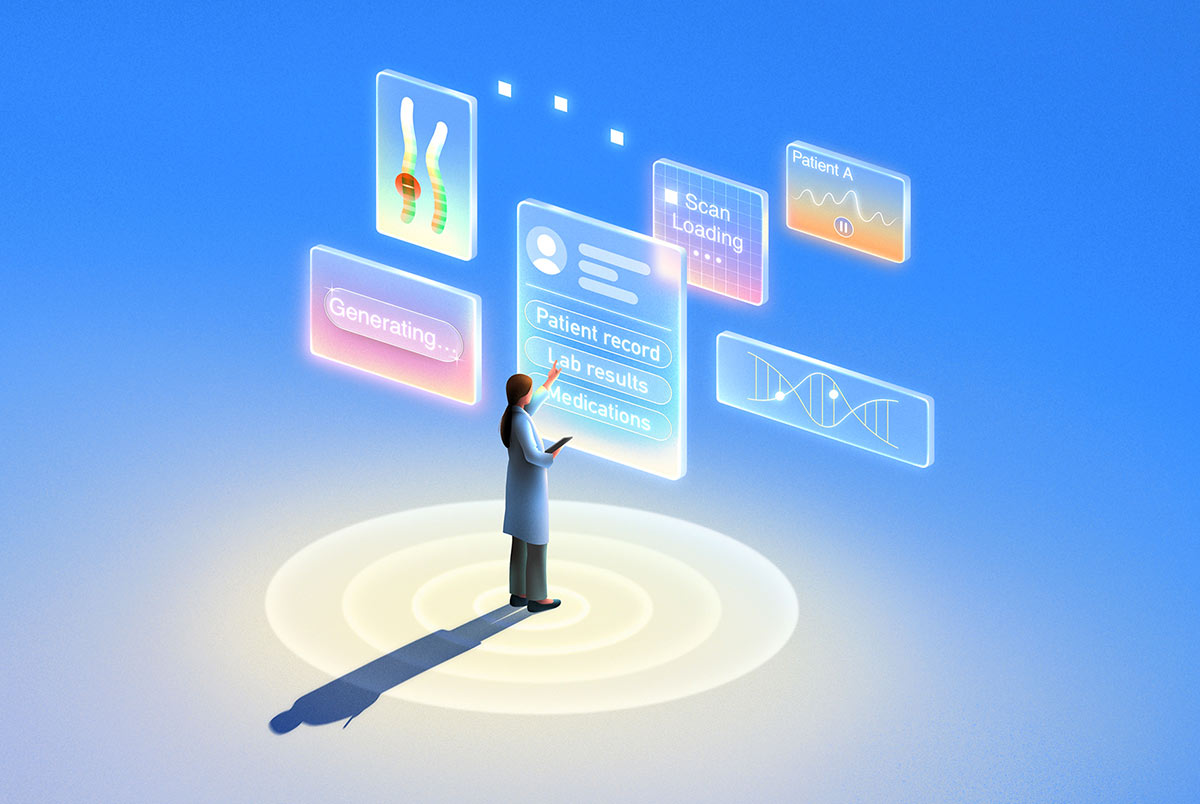
A patient’s life exists in fragments — data points scattered across servers: lab results, referrals, imaging reports, and clinical notes, all quietly waiting to be assembled into something that makes sense.
For families living with rare diseases, those fragments can be dispersed across years and specialists. There are over 7,000 known rare diseases affecting around 3 million Canadians, roughly 1 in 12 people. And yet, the average diagnostic journey lasts half a decade or more — a series of appointments without answers.
Now, a new generation of artificial intelligence (AI) tools is being built to shorten that journey: systems that help physicians recognize rare patterns inside routine data and digital advocates that help patients gather, interpret, and act on the records that define their care. AI is changing how doctors diagnose and how patients manage rare diseases.
Identifying invisible patterns
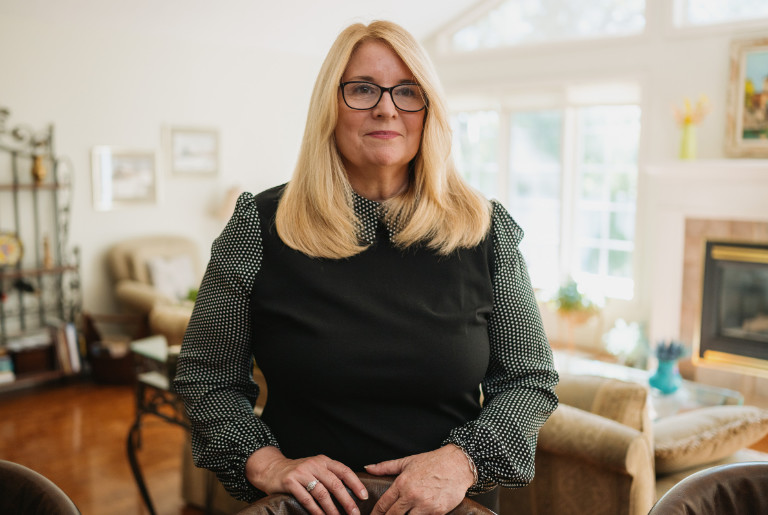
Inside the Children’s Hospital of Eastern Ontario’s (CHEO) electronic medical record system, an AI algorithm runs quietly in the background, scanning thousands of patient charts in search of patterns that might point to an undetected rare genetic disease. The system is called ThinkRare. It’s an AI screening tool that was implemented in clinical practice last March after five years of development, says Dr. Kym Boycott, chief of genetics and senior scientist at the CHEO Research Institute.
“It runs every night in real time on the data, and then sends best practice advisory alerts,” Dr. Boycott explains. “If you open a patient's chart and the algorithm has identified that patient, it flashes up at you and recommends that you refer to genetics.”

Rather than scanning every record, the algorithm looks for specific clinical markers — diagnostic codes linked to conditions that are often genetic, such as intellectual disabilities and congenital malformations. It also tracks how widely a child has moved through the health system, identifying those who have been seen in three or more unrelated departments — a sign that multiple organ systems may be involved. Then it filters out patients who have already been evaluated by genetics.
“We only flag fewer than 20 kids a year,” Dr. Boycott says. “but our diagnostic yield, when these kids actually get referred to us after this best practice advisory, is 70 per cent, which is actually unheard of.”
The success of ThinkRare at CHEO is now drawing interest from other health systems. The algorithm is being rolled out at McMaster Children’s Hospital and within Alberta Health Services. Dr. Boycott envisions a future where similar tools could comb through electronic health records, make predictions, and order tests before bringing in specialists. “It can become even more sophisticated as our data gets deeper and the algorithms learn more,” she says.
Managing information overload
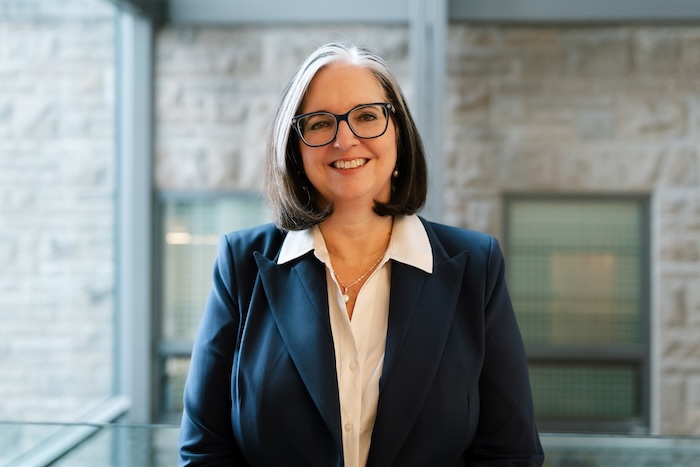
Toronto-based HEALWELL AI approaches the same problem from a different point in the system — long before a patient ever reaches a genetics clinic. “There are thousands of rare diseases,” says Don Watts, president of HEALWELL AI, Life Sciences. “How could anyone know them all?”
For Watts, the central challenge is not a lack of information, but its abundance. Over time, patients accumulate layers of digital records that few clinicians have the capacity to review in full, particularly in primary care. HEALWELL’s system is designed to help connect those dots, identifying patients who may benefit from further testing, updated medications, or specialist referral.
He calls it an AI copilot.
“We’re supporting physicians with recommendations on what the guidelines say to do,” Watts explains. “The physician is 100 per cent responsible for those decisions.”
Today, the platform is used by physicians across Canada and identifies roughly 50,000 high-risk patients each quarter.
In rural and underserved regions, it can fill a gap — extending specialist-informed decision support to places where those specialists are in short supply.
But uptake requires trust. Patient data remains under the control of clinicians and is not shared outside the circle of care, Watts says. “Trust is the most important thing in this business,” he adds. “We started long before large language models were available, and we’re using technology that, in a lot of cases, is rules-based and thinking like a physician.”
Over time, HEALWELL has expanded beyond rare diseases into chronic conditions such as diabetes, kidney disease, and asthma — areas where quick intervention can prevent serious complications. “Earlier identification of risks through our technology has a phenomenal opportunity to help physicians keep up, reduce their workload, and support a more optimally cared-for patient population,” Watts says.
An intelligent advocate
If ThinkRare operates inside hospitals and HEALWELL supports physicians in clinics, Citizen Health focuses on what happens in the moments between — how patients seek care, how they talk about their disease, and how they navigate the world around them.
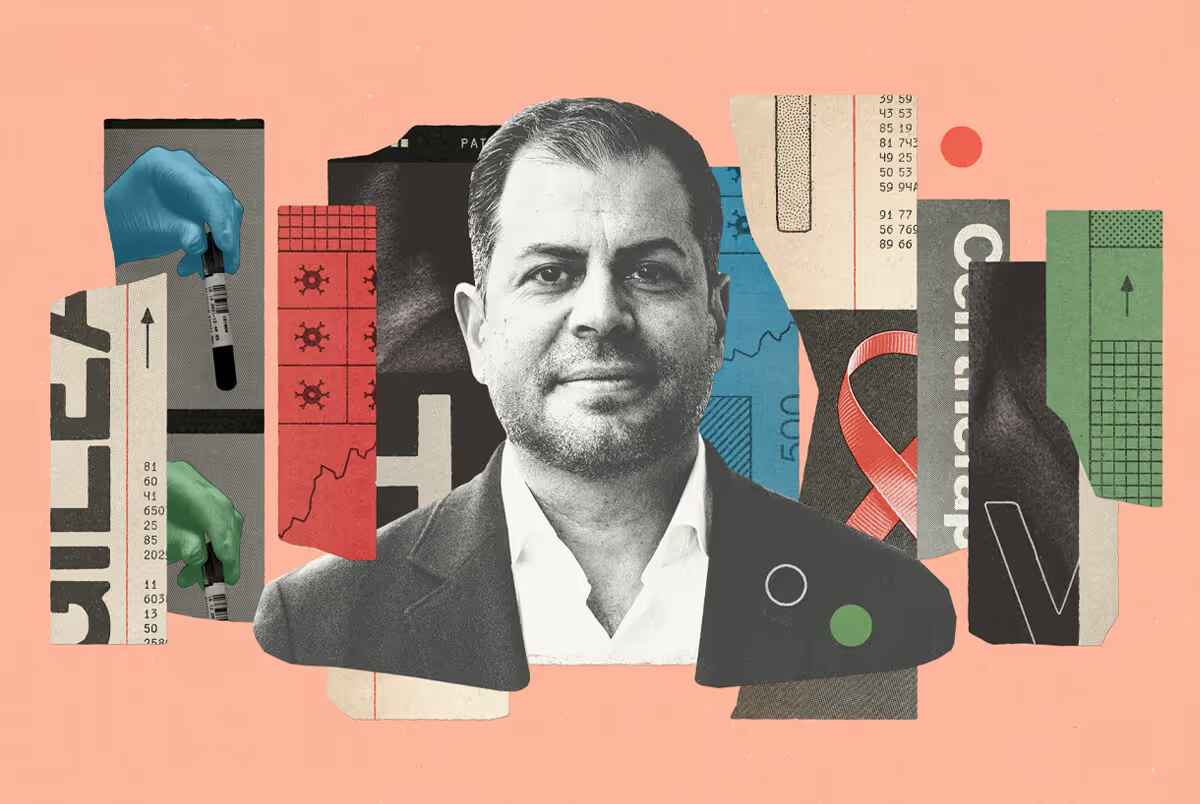
Founded in Silicon Valley in 2023 by Farid Vij and co-founder Nasha Fitter, the company is building what it calls an “AI advocate”: a digital companion designed to help patients with rare diseases and support caregivers as they navigate health care systems that often feel fragmented and opaque.

The idea grew out of personal experience. Vij had previously built software to help cancer patients access clinical trials after a co-founder’s sister died of metastatic breast cancer.
“Nobody understood her full treatment history,” he says. “She’d go from doctor to doctor and get the same vanilla treatment plan because all the data was missing.”
Soon after, Fitter joined him in turning that insight toward rare disease. Her youngest daughter, Amara, was diagnosed with an ultra-rare genetic condition, and she began building her own network of clinicians, researchers, and families in search of better care. “She had an irrational drive to not take no for an answer,” Vij says.
Not every family has that capacity. Citizen’s goal, he says, is to replicate that kind of advocacy through technology. “How can I put Nasha in everyone’s pocket?” he asks.

The company’s app gathers medical records, genetic reports, imaging studies, and clinical notes from across health care systems, and then uses AI to help families interpret and act on that information. Users can ask questions, track symptoms, and record appointments. “We really think of it as their advocate that knows everything about their information,” Vij says.
More than 130 rare disease communities now use the platform. Patients in Canada and other countries can participate by uploading their own records, giving them greater control over how their data is organized and shared. International expansion is a priority, though regulations vary by country. “If you want to share your data, nobody can tell you no,” Vij says. “It’s your information.”
For families navigating rare disease across provincial and national systems, that portability could prove especially valuable. “Rare disease is a window into how all of health care is going to work in the future,” Vij says.
For now, that future is taking shape — in algorithms scanning records overnight, in physicians prompted to look twice, and in parents recording appointments and piecing together histories. The fragments are still there. But they are beginning, slowly, to assemble.