
Prurigo nodularis (PN) can profoundly affect nearly every aspect of a person's personal and professional life. For many years, the absence of disease-specific treatments and a dedicated support community left many people with PN feeling isolated and forced to suffer in silence.
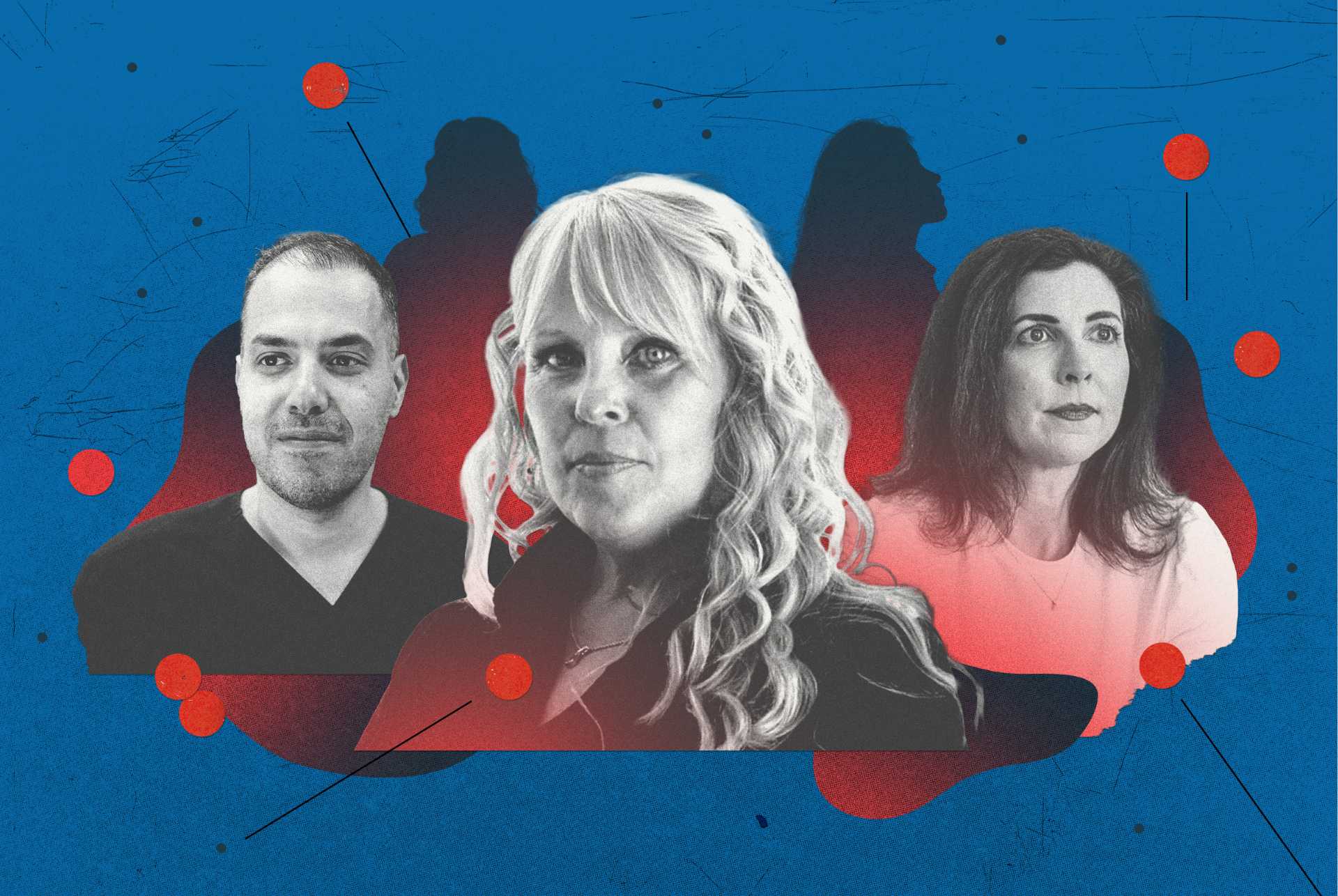
Today, that reality is beginning to change. As new targeted therapies become available, patients such as Sharon Mumford, clinical experts including Dr. Mohannad Abu-Hilal, and advocates like Dana Gies are raising their voices to increase awareness of PN, share their experiences and expertise, and empower Canadians affected by the disease to seek support and care.
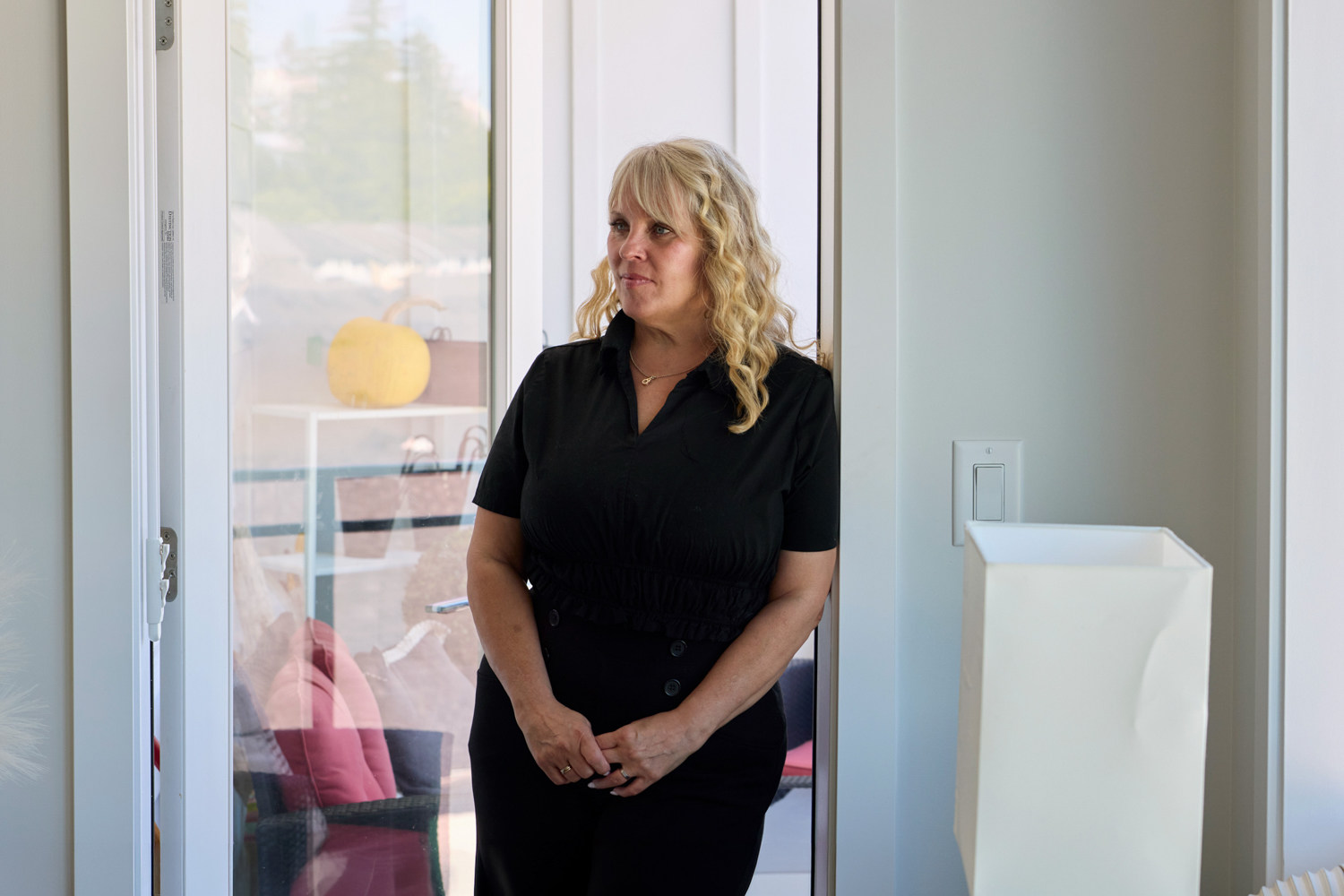
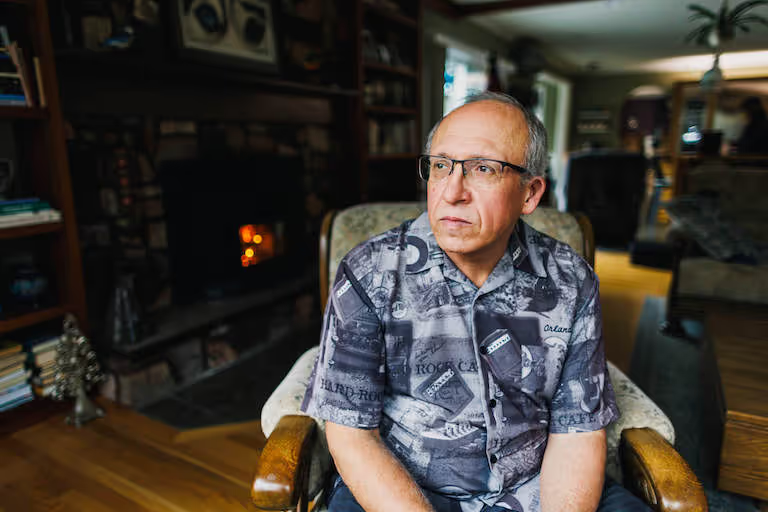
Sharon Mumford
Diagnosed with PN in 2025
“I’d just moved to Vancouver from Cape Breton when a strange itchy spot appeared on the side of my leg. I was going through a very difficult separation, so at first, I thought it might be a stress reaction. But then the spots kept spreading, getting worse and worse. It got to the point where I went to the ER because I honestly thought I’d contracted flesh-eating disease.
I’ve always had issues with my skin. Ever since I was young, my life has been shaped by psoriasis, dermatitis, rosacea, and all kinds of allergic reactions. I spent decades building a successful hairdressing business back in Cape Breton, and then I had to give it up because I developed an allergy to the hair products. I’ve spent most of my life applying cortisone cream for one skin condition or another. But these new spots were something completely different.
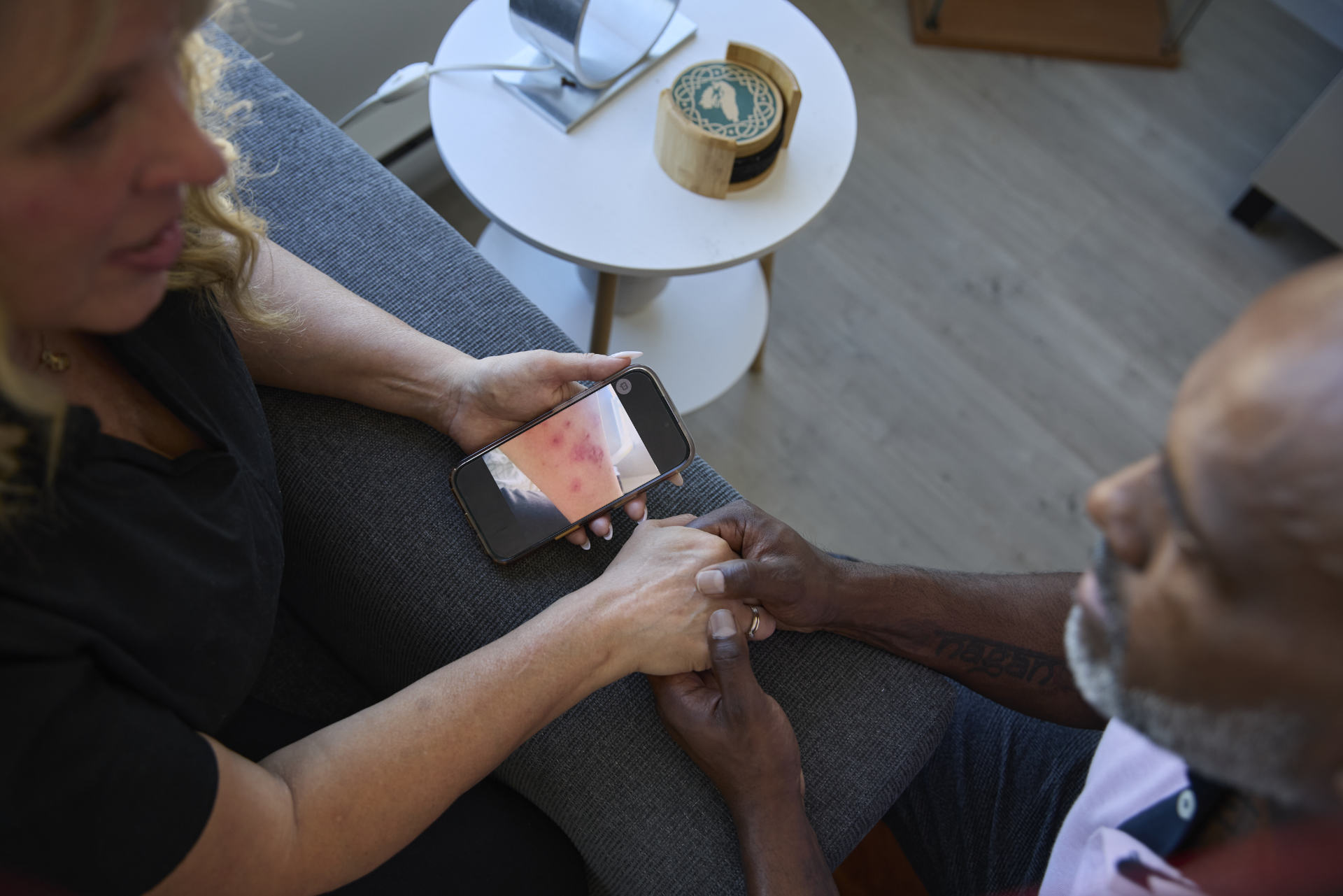
For over a year after that first spot, I suffered, mostly in silence. The doctors prescribed me allergy creams. I went through tubes and tubes of them. Nothing helped. My skin was constantly crawling, itching, burning. My self-esteem was at an all-time low.
“I’m naturally bubbly and, even when I was feeling my worst, I could still put on a happy face and you’d think everything was fine.”
I’d met an incredible new gentleman, who was kind and caring and handsome. But even when he told me I was beautiful, I felt so ugly and disgusting. Spots and bumps and scars and scabs everywhere. I couldn’t go to the gym. I couldn’t go to the beach. My sex drive vanished. I didn’t want to be touched. All I ever wanted to do was sleep, but the pain was so bad I couldn’t even do that. I was crying all the time. I thought I was going crazy.
Finally, I was referred to a skin specialist. At my first appointment, the doctor walked into the room and, within two seconds, she said: “That’s prurigo nodularis.”
.jpg)
.jpg)
.jpg)
.jpg)
.jpg)
.jpg)
.jpg)
It changed everything just to know that this condition had a name and a treatment plan. Once I got on a biologic medication specifically for prurigo nodularis (PN), my skin began to clear up almost completely. I just hope that these treatments will be available to others who need them, and that new options will be available to me if my current therapy fails. Due in part to these worries, psychological and emotional healing is taking longer than my physical healing.
I’ve always been a survivor. But too often a core part of surviving is hiding and masking. I’m naturally bubbly and, even when I was feeling my worst, I could still put on a happy face and you’d think everything was fine. I’ve been making TikTok videos for a while — including documenting my PN journey — and everyone always comments on how positive and confident I seem. In some ways, that is me, but there’s also a scared and insecure version underneath. Slowly, as I heal, I’m learning to let her out too, to give her the grace she deserves.”
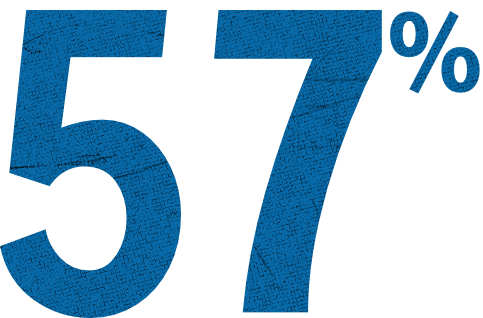
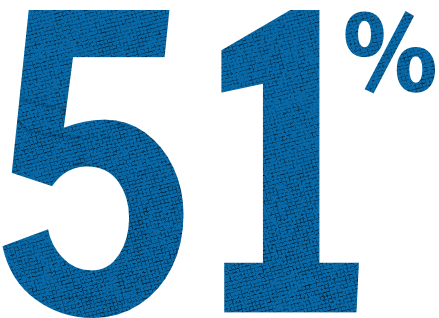
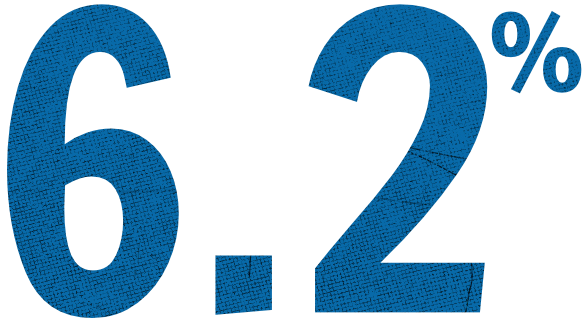
Of 308 respondents:
.png)
.png)
.png)
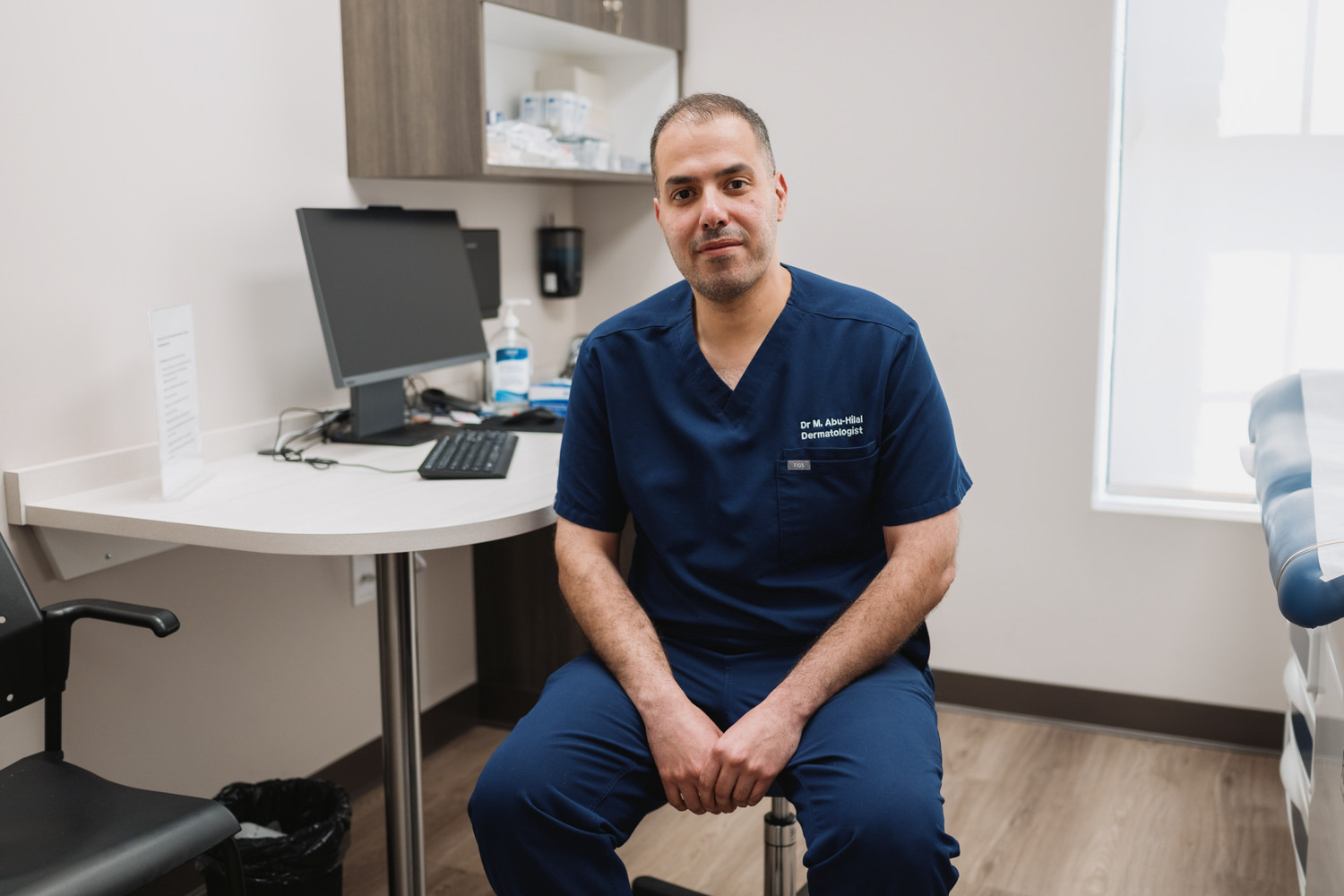
Dr. Mohannad Abu-Hilal
Associate Professor and Head of Dermatology Division, McMaster University
“I’ve been treating prurigo nodularis patients for almost eight years now and I’ve seen the full spectrum of this disease. It’s a highly burdensome inflammatory skin disease characterized by intense itchy spots and nodules that typically appear on the arms, legs, and upper back. It’s a chronic disease arising from interplay between the immune system and the nervous system and unfortunately, it’s not going to resolve on its own.
The itch from prurigo nodularis is often so severe that it disrupts sleep and impacts work. This can lead to anxiety, depression, and isolation. People stop going to social events and taking part in leisure activities. And it only grows worse as the relentless itch-scratch cycle exacerbates their condition.
“For the first time, we have safe and effective treatments that can work for a large number of patients, leading to significant improvement in both the itch and the spots themselves.”
Like many conditions, prurigo nodularis can vary from relatively mild to very severe. When a patient has a milder case, we can often get good outcomes with topical treatments and local injections. But in moderate to severe cases, until very recently, we didn’t have any safe, effective, evidence-based medication that would help — we didn’t have targeted treatments.
Instead, we’d use these broad-spectrum immunosuppressive agents, which didn’t work for everyone and came with their own risks. Or we’d use phototherapy, a burdensome treatment often involving long waiting lists and long visits to remote specialty units three times a week. And, though phototherapy does help some patients, it’s a small subset. None of these treatments were ideal. I never loved relying on them. But we didn’t have any other options.
In the last few years, though, that has finally started to change. Biologic agents that target the specific proteins involved in the pathophysiology of this condition have emerged. For the first time, we have safe and effective treatments that can work for a large number of patients, leading to significant improvement in both the itch and the spots themselves. This is a major milestone. It’s a whole different landscape compared to when I started treating the disease.
Even with the new treatments, there are still unmet needs. There are always some patients who won’t respond to any given medication or won’t be able to tolerate it for some reason. We still need more tools in our toolbox. But, for what has long been a truly overwhelming diagnosis to deliver, I can now tell newly diagnosed patients that we finally have a good understanding of this condition and how to treat it. I can tell them we may have a path toward breaking that itch-scratch cycle and vastly improving their quality of life.”
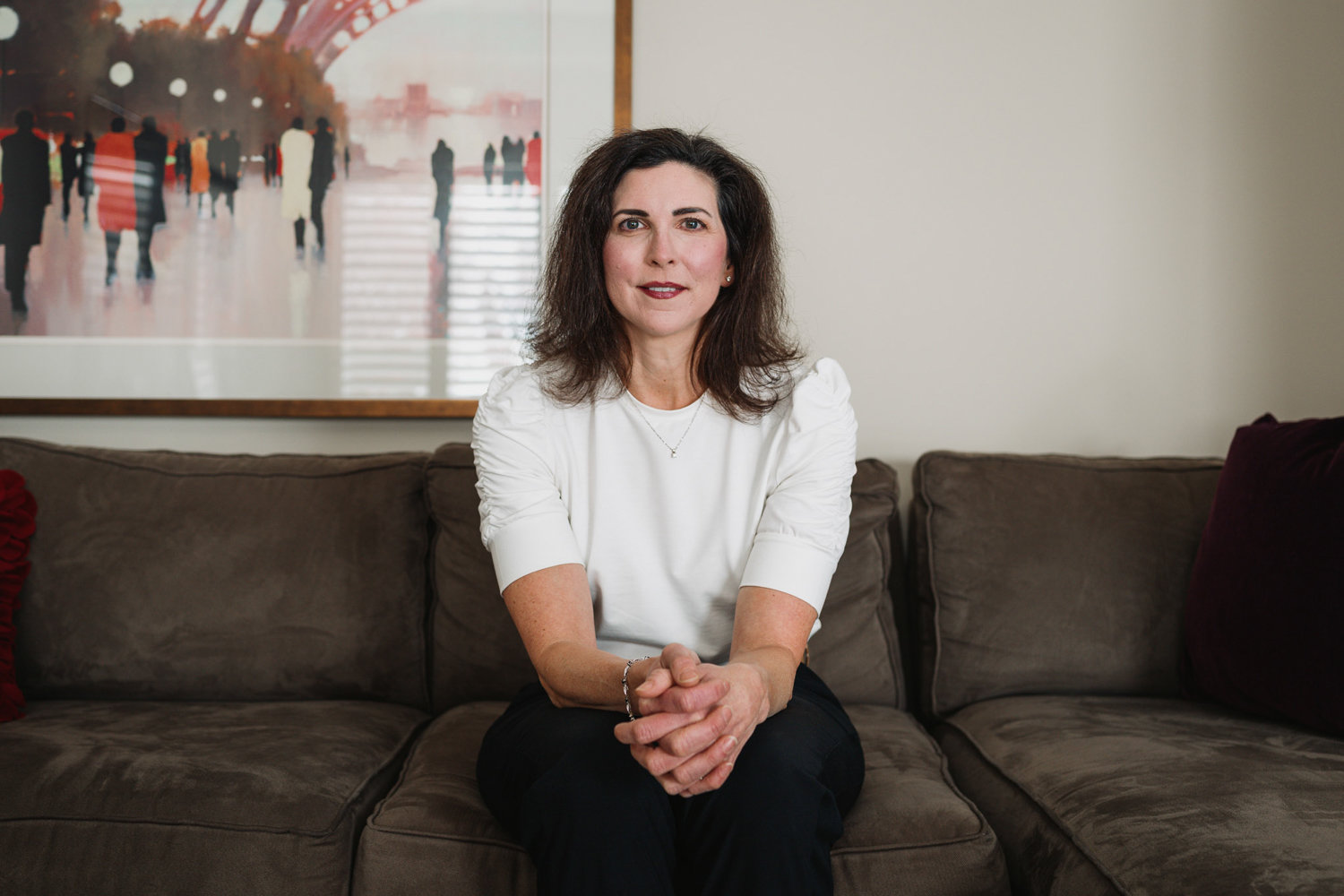
Dana Gies
Executive Director, Canadian Skin Patient Alliance (CSPA)
“Skin conditions are too often treated as though they’re less serious than other diseases. We need a broader recognition that these conditions are oftentimes truly debilitating, particularly in how they impact mental health. And, while specific conditions like prurigo nodularis may be rare, the larger umbrella of skin conditions covers a very large population, and every patient deserves to be taken seriously.
At the Canadian Skin Patient Alliance, we do a lot of work advocating for access, awareness, and policy change for patients suffering from all skin, hair, and nail conditions. Having everyone together under one tent is especially important as research brings innovative new treatments to market, as it has for prurigo nodularis. While these new therapies can be very effective, they can also be very costly. And the “step” approach to coverage — where patients aren’t offered targeted therapies until they’ve first circulated through all the other treatment options — can lead to long delays between diagnosis and effective treatment.
“For those with prurigo nodularis, this delay in treatment often layers on top of a long-delayed diagnosis, because it’s a rare condition that’s frequently misunderstood and misdiagnosed.”
For those with prurigo nodularis, this delay in treatment often layers on top of a long-delayed diagnosis, because it’s a rare condition that’s frequently misunderstood and misdiagnosed. And the whole time, these patients are falling deeper into the perpetual itch-scratch cycle, which can leave them with permanent scarring and skin damage. They aren’t sleeping, they aren’t living their lives. They’re becoming more and more isolated from those around them.

Having a community can help so much. We hear from patients all the time that just being able to talk openly with someone who’s experiencing similar challenges is therapeutic. There are no dedicated prurigo nodularis support groups in Canada, owing to how rare the condition is, but we’ve found that there are so many shared experiences between different skin conditions that patients with diverse diagnoses can very much help and support each other. They can empower each other to overcome the many challenges of living with these conditions and seeking effective treatment for them.
When living with a condition like prurigo nodularis, it can be easy to believe that there’s nothing available to help you. It takes a lot of energy and persistence to advocate for yourself all through the pathway from diagnosis to effective treatment. But there are treatment options now that there never were before, and there’s a whole community ready to help you achieve your goals. I want people to understand that they don’t have to accept what this condition has done to their lives.”
The Canadian Skin Patient Alliance (CSPA) is a registered charity that improves the health and well-being of people across Canada affected by skin, hair and nail conditions through collaboration, advocacy, and education.
As a national alliance, we foster connections between stakeholders, the dermatological community, government and industry. We often work together to improve lives through advocacy initiatives, educational and awareness campaigns, patient input submissions, national reports, and by facilitating patient engagement in dermatological research.
Made possible with support from Galderma.