
“I was three years old when I started having symptoms of dystonia. Throughout elementary school, I had difficulty sitting still and writing because of involuntary muscle contractions. Even reading was a challenge, because my head would move on its own and my eyes would lose track of which word I was on. Nonetheless, I was a very active and social child. I did gymnastics and dance and skating. I played soccer and baseball. I could mostly live my life, but it was difficult knowing something wasn’t quite right. Worse, nobody could tell me what was causing it. I didn’t have a name for my problem. I was just the kid who twitched.
When I was skating or dancing, though, I was almost fine. It always seemed that the more physical activity I was doing, the calmer and more controlled my muscles became. It was during the quiet moments, doing everyday things, that the muscle spasms were at their worst. I could do a whole synchronized skating routine perfectly, but trying to put on my makeup beforehand or drink a cup of water afterwards was almost impossible.
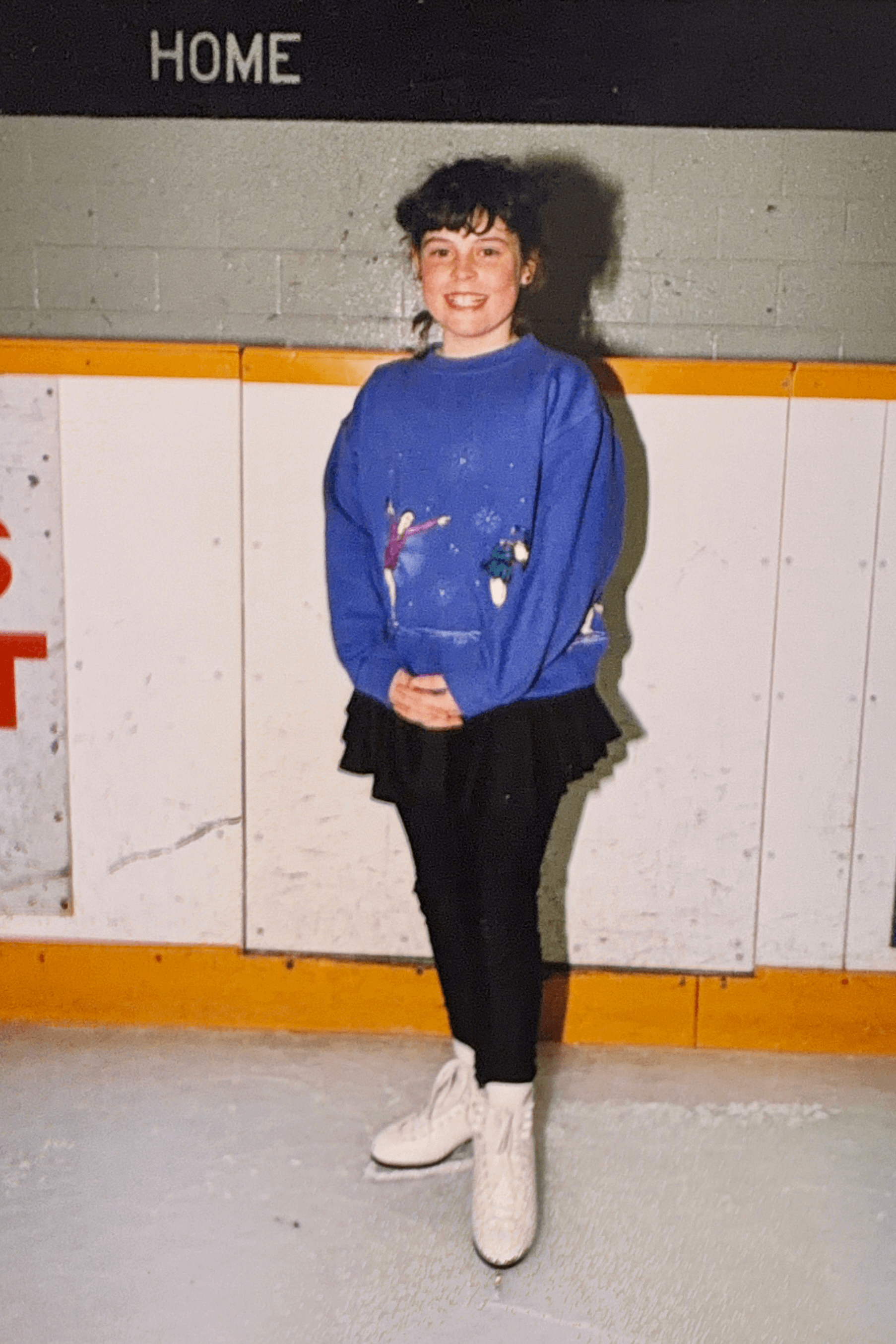
As I got older, the shaking became more severe, and I became more self-conscious about it. The stress and anxiety were so isolating already, but my symptoms made me isolate myself further.
By high school, as the disease progressed, it reached the point where concealing it was impossible. My physical difference was on full display at a time when I was already psychologically vulnerable. As the muscle spasms continued to shape my daily life, their physical and emotional weight took a steady, significant toll on me. I existed in a constant state of fight or flight. And I couldn’t tell anyone what was wrong with me, even if I had wanted to.
I was 15 when, after seeing multiple neurologists, I finally got a proper diagnosis. I vividly remember sitting in a large conference room with my parents and what must have been 10 or 12 doctors. That’s how I learned I had dystonia.
There are multiple types of dystonia, classified based on the part(s) of the body that are affected. The most common form of dystonia is cervical dystonia, which affects the muscles in the head, neck, and shoulders.

DID YOU KNOW?
Download the cervical dystonia discussion guide.
They told me straight away that I should avoid doing too much research online. I wouldn’t like what I saw. I was left with this huge sense of dread. There was also a certain relief at finally being able to put a name to my disease, but I was still reluctant to talk about it. I could feel the way people looked at me and I knew the questions they wanted to ask, but I didn’t want to answer them. Slowly, I grew more and more disconnected from my peers and from myself. I was diagnosed with an anxiety disorder with obsessive-compulsive tendencies. It marked a particularly challenging chapter in my life.
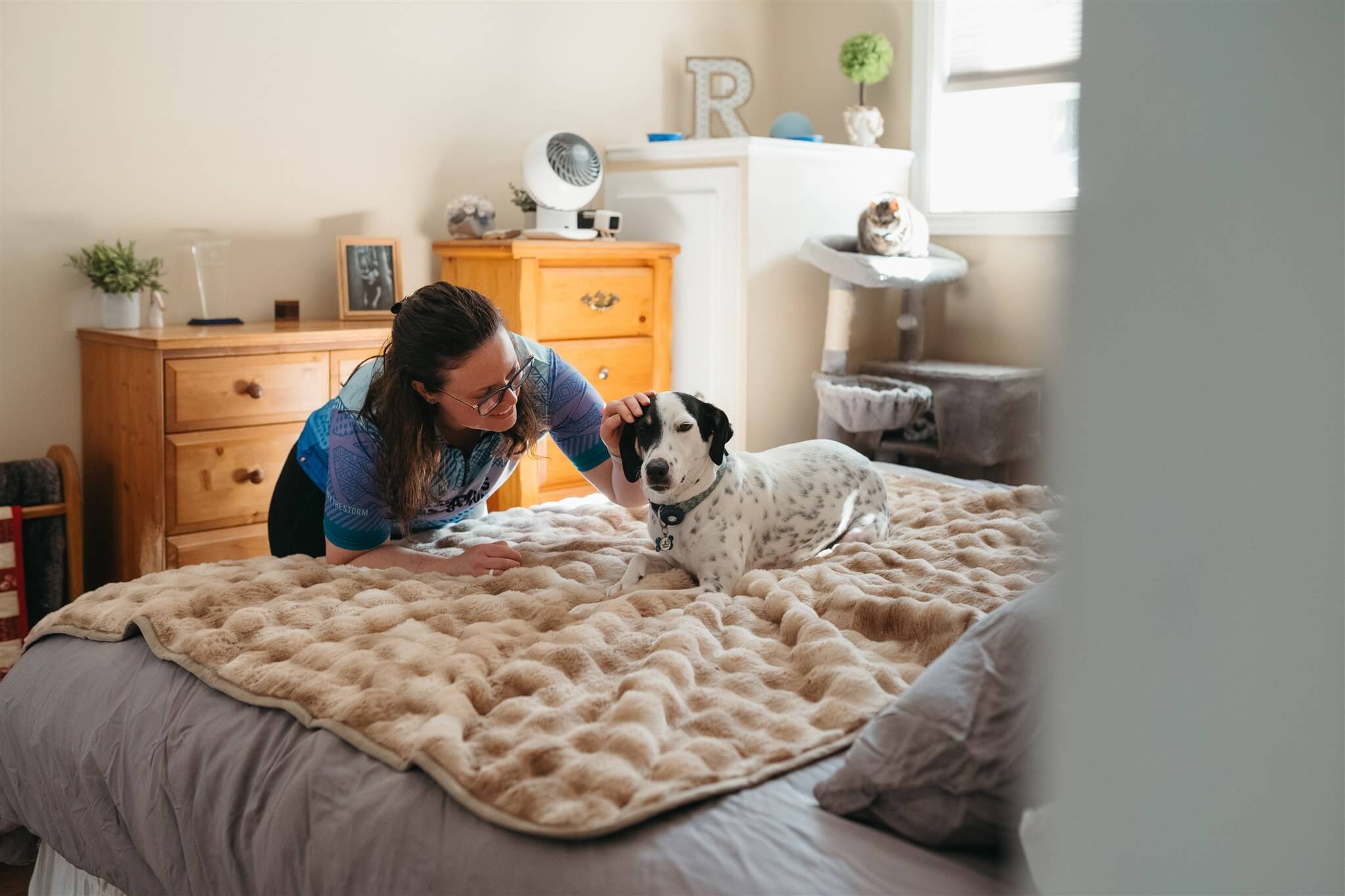
By my mid-twenties, I knew something had to change. I remembered how much relief physical activity had given me when I was younger, and I decided to try to recapture that by taking up running. It worked better than I could have imagined — for my physical health, but especially for my mental health.
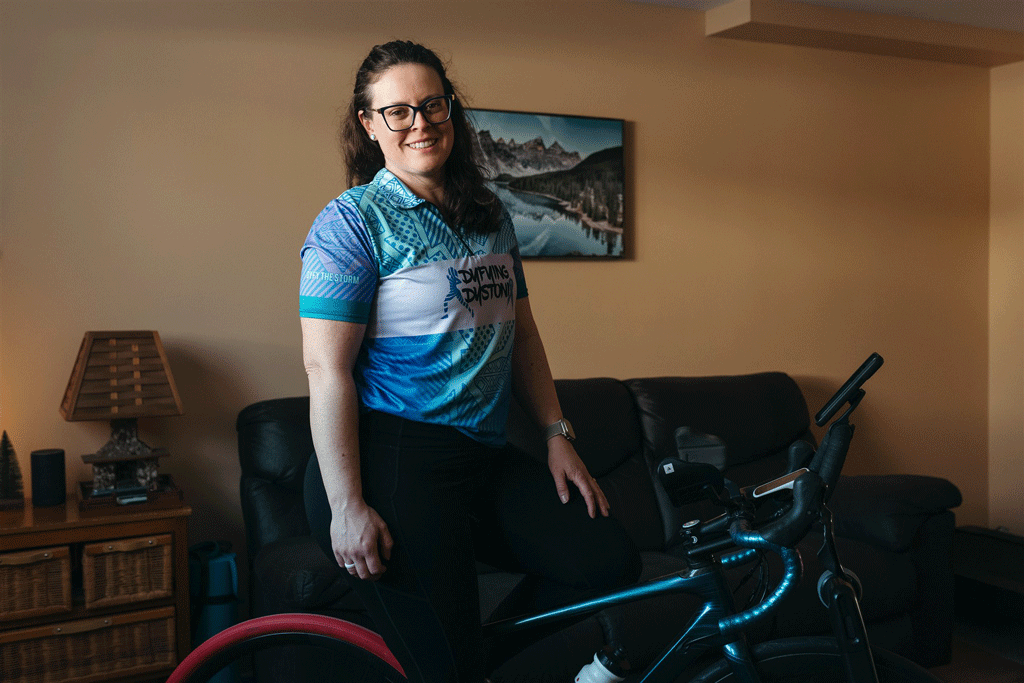
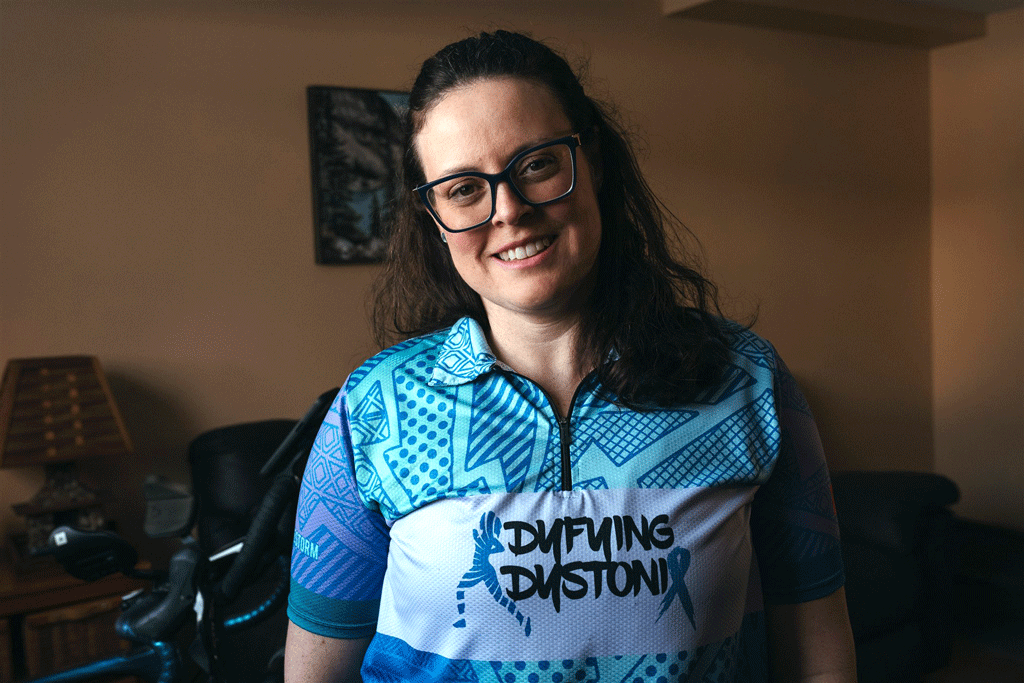
I started running further and longer until I found myself wanting to try my first triathlon, and wanting to do it with purpose. That’s when I connected with the Dystonia Medical Research Foundation Canada and founded my Dyfying Dystonia campaign. I like to think I’m defying the odds of dystonia at the same time as I’m defying my own limits.
.png)
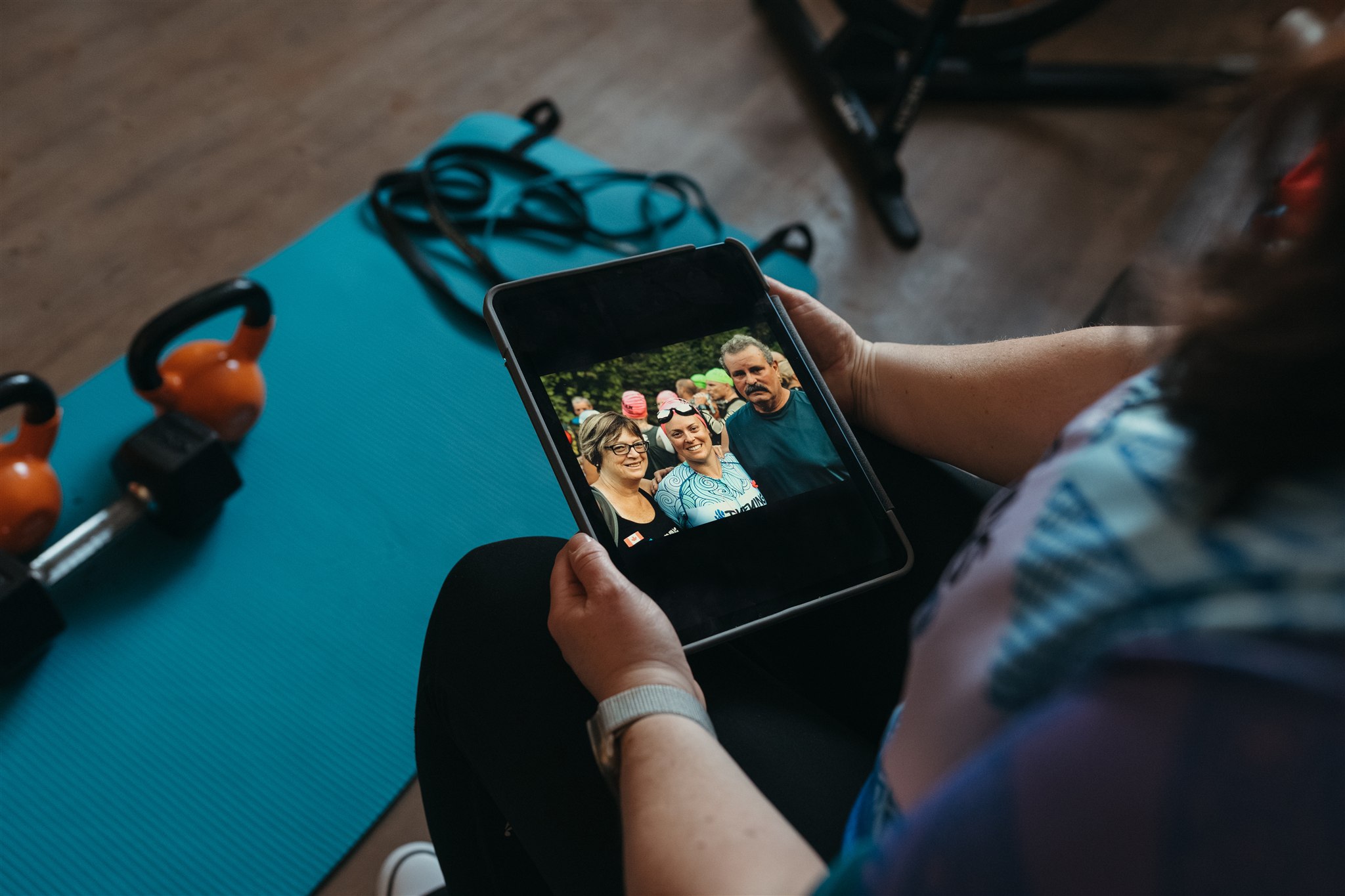
I’ve since competed in races all across Canada and the U.S. — triathlons, half Ironmans, and a full Ironman — all while representing the dystonia community. This has led to me talking about my condition very openly, and I’ve been surprised by how freeing that is. I walk into a room now and, rather than wanting to hide, I’m excited that I have something to share. It lets me be who I am.
It helps that my support system is absolutely fantastic. My doctors have been so encouraging of my racing, even when my training complicates my treatment schedule. I check in regularly with my neurologist, who recommends different approaches that may work for me.
Dystonia is a neurological disorder that can affect more than just the physical body. If you’re living with dystonia, work with your health care team to set meaningful, measurable goals for managing your condition.
DID YOU KNOW?
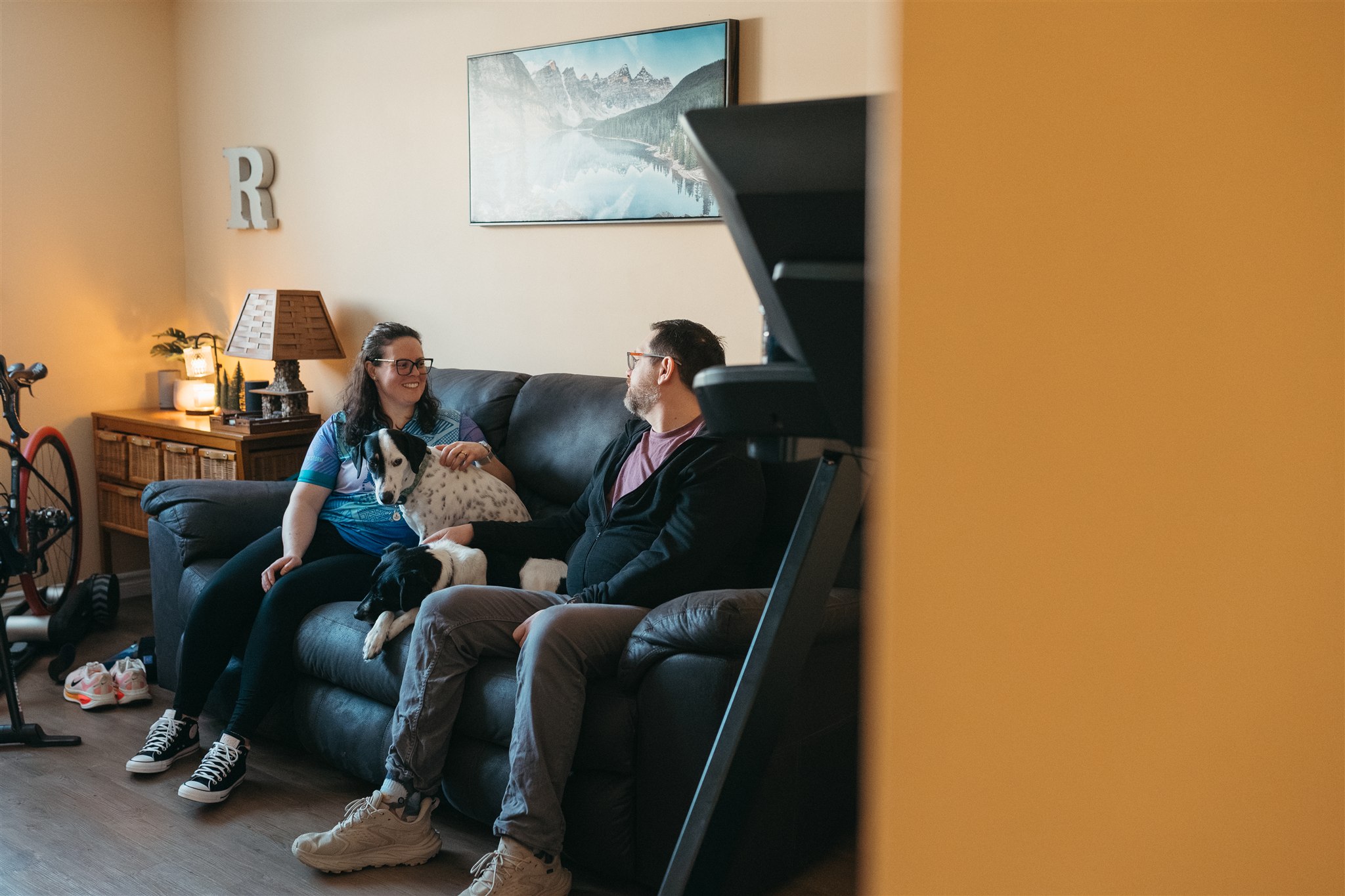
And my family — my parents, my brother, and my husband Adam — have been incredible every step of the way. My parents have been my constant rock since I was a child, a source of belief and encouragement that never wavered. My brother Logan has been my steady teammate through it all, keeping me grounded and reminding me not to take life too seriously. Adam has always believed I can do anything, and he’s behind me 100% with whatever I take on — my teammate in every challenge and my safe place at the end of every day.
.png)
.jpg)