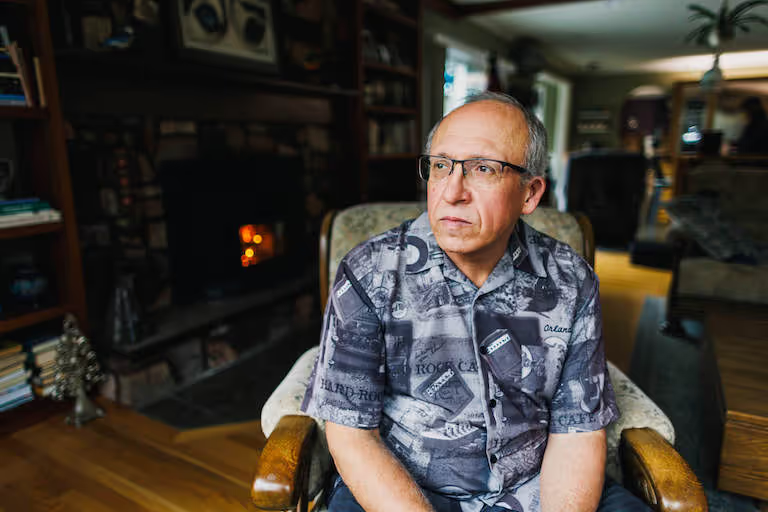
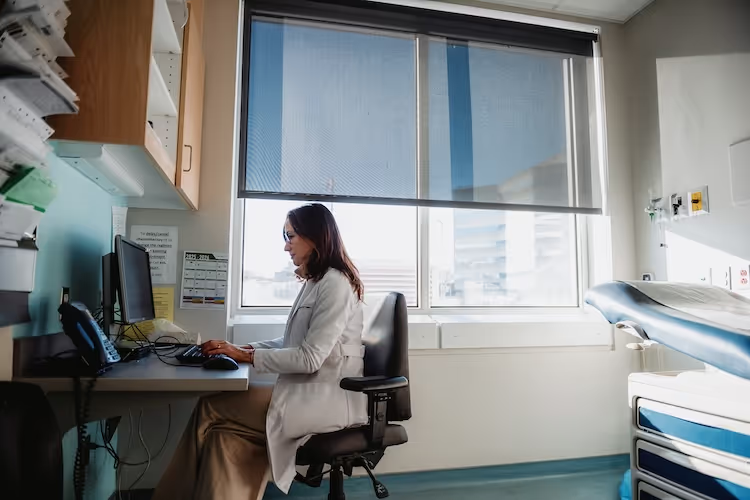
“It started with an ache in my stomach and an overall fatigue I just couldn’t get past. I’ve always been active. I cycle. I play hockey. I run. And, as an emergency physician, I’m no stranger to exhaustion. But this was different. I’d be out on a run, not even a long one by my standards, and I just wouldn’t be able to go any further. A couple of times, I had to stop halfway and call my kids to come pick me up, which was completely odd for me.
And, as the fatigue grew worse, so too did the discomfort in my abdomen. When one of my colleagues commented that I seemed to be losing weight, I knew I needed to get some imaging done. I saw my family doctor, who used to be a colleague in the emergency department, and he sent me a referral for a CT scan.
You can’t really tell exactly what’s going on from a CT scan. You need a biopsy to diagnose. But the imaging was enough to show that, whatever the diagnosis was, it was going to be stage 4 disease. As a physician, I was super lucky to have access to colleagues in different specialties, and that did expedite the diagnostic process. But when the diagnosis came back metastatic cholangiocarcinoma, I knew it was very bad news. This is a very aggressive cancer with a very poor prognosis.
I got some molecular testing done with the help of C3 (the Canadian Cholangiocarcinoma Collaborative) — who have been so supportive and have done so much for me — but there was no targeted treatment for my genetic markers. I did chemo, immunotherapy, and chemo again. But the cancer kept growing. I was fortunate to get on a two-month drug trial, but sadly it didn’t work either. So now I’m back on chemo for a third time, hoping for new clinical trials that might give me a little more time with my family.
And, though treatment takes a lot out of me, I still keep moving. In June of this year, I organized a 5K cholangiocarcinoma run here in Lakefield with my wife Chris and my friend Todd. We had so many people sign up that the town had to cap registration at 400. It was amazing. And though it was more of a walk than a run on my part, I made it to the finish line.
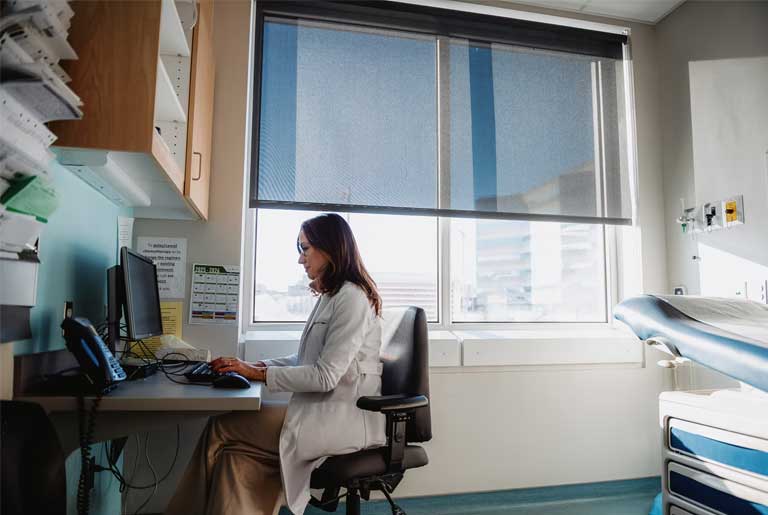
I was at work in the emergency department on the day my CT scan results came in, showing a tumour with multiple metastases. That was the last day I worked.
Emergency departments are so often behind — always behind, really — that it was hard for me to stop. I didn’t want to leave the team shorthanded when there were people who needed our help. Just the idea of it left me emotional and raw. Once I started seeing the oncologist, I said, you know, the fatigue is the worst of it. I could probably work through that. It was the oncologist who said quite firmly that no, I should not be working. Especially once I was on chemo. Chemo slows your thought processes down. It’s difficult to think clearly. I would hate to be in a situation where I’m responsible for someone’s well-being and I’m not performing at my fullest.
“I realized very quickly that I want to spend the time I have being a parent and a partner and a friend.”
So I embraced the opportunity to spend more time on what’s most important. I’ve been thinking about my mortality a lot, obviously, which is a new experience for me. I was only 54 when I was diagnosed and I’d always been in great physical health, so it hadn’t been on my mind before. I realized very quickly that I want to spend the time I have being a parent and a partner and a friend.
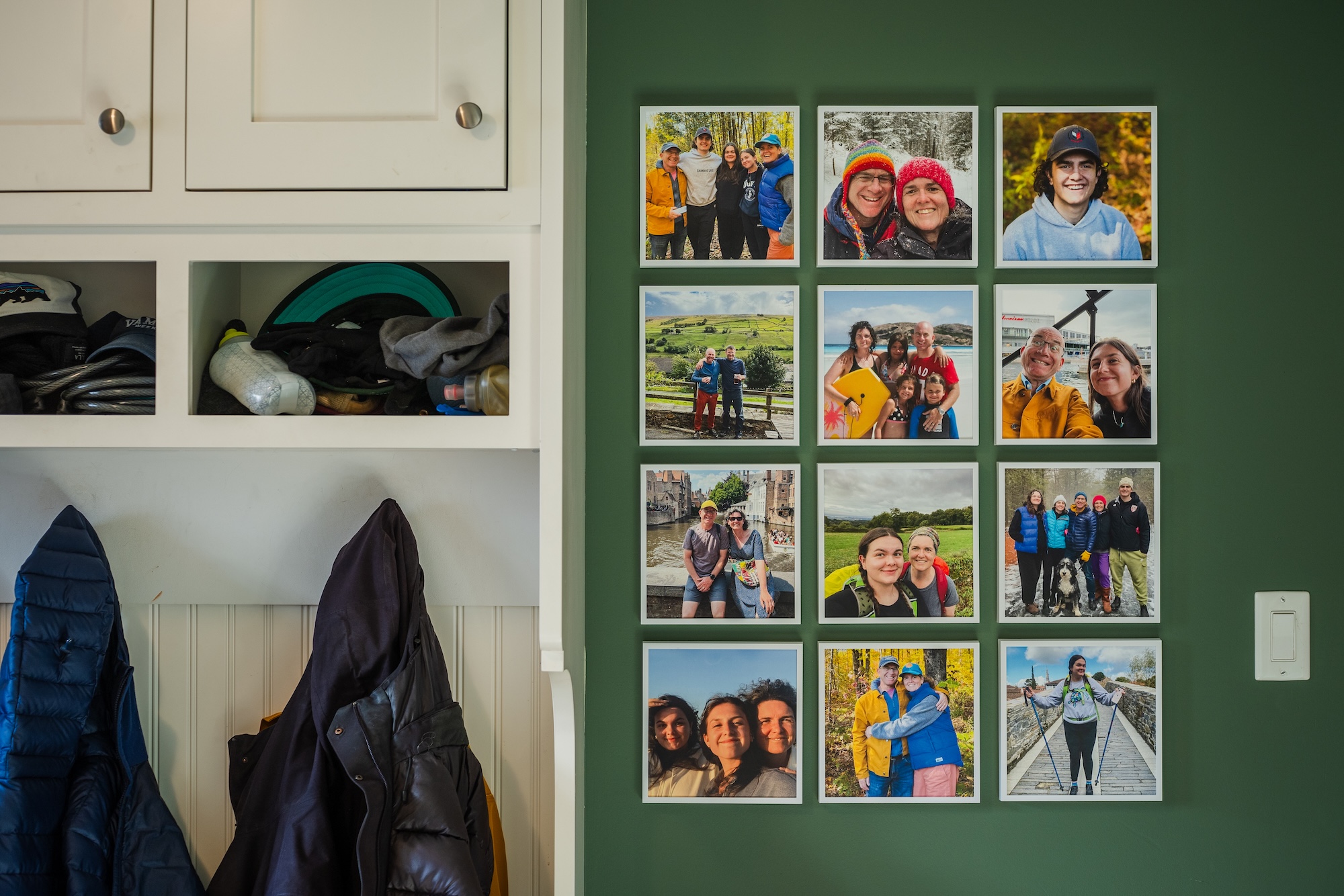
Back in April, I went to New Zealand for a month with my wife and our middle daughter. We had friends come visit from BC. I’ve spent a lot of time walking and talking with friends who are also medical colleagues, and it’s so nice that they just understand the health side of it without needing anything explained. And in August we travelled out to BC as a family and we were able to spend some time hanging out together, just the five of us at a little resort. It was lovely.
I know I’ve had a blessed life. I don’t really feel any anger or resentment about my illness, just sadness. I want to give my kids everything, but mostly, in this stressful and difficult chapter, I think the best gift I can give them is just being the dad they know. Goofy, demanding at times, always proud and full of love. If that’s how they remember me, then I’ve done something right.”
The Canadian Cholangiocarcinoma Collaborative (C3) is a national network bringing patients, caregivers, researchers, and clinicians together to improve outcomes for people living with cholangiocarcinoma. Since 2023, and with support from the Canadian Cancer Society, C3 has been working to ensure Canadians have better access to care, support, and research. To learn more or connect with support, click here.