A father’s love, a family’s grief: Tayler, Wes & Aubrey’s story
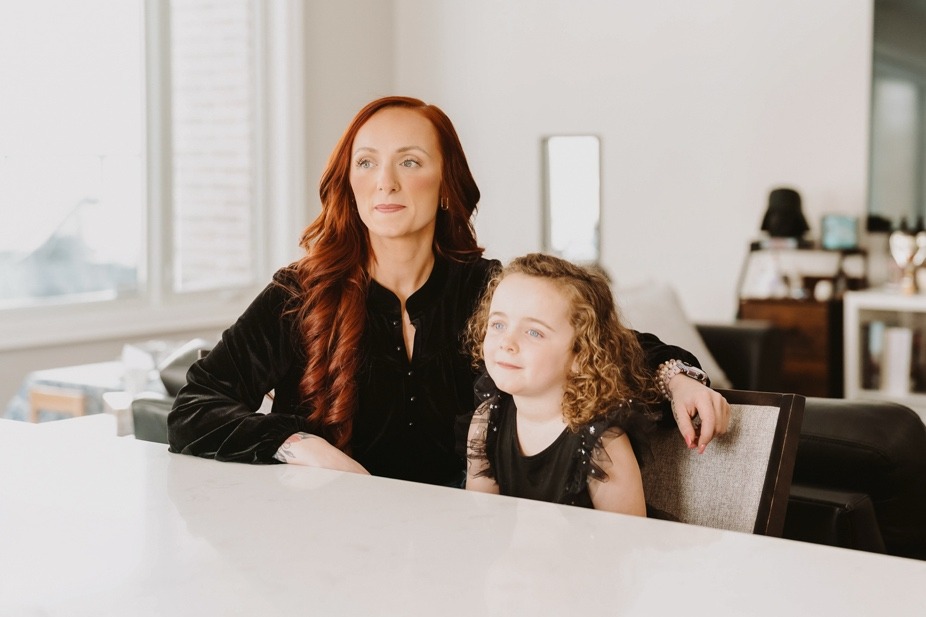
Patient Voice spoke with Tayler DeLisio about her late husband Wes’s difficult diagnosis—and how she and their daughter, Aubrey, are navigating life after his passing.
HLH & Grief
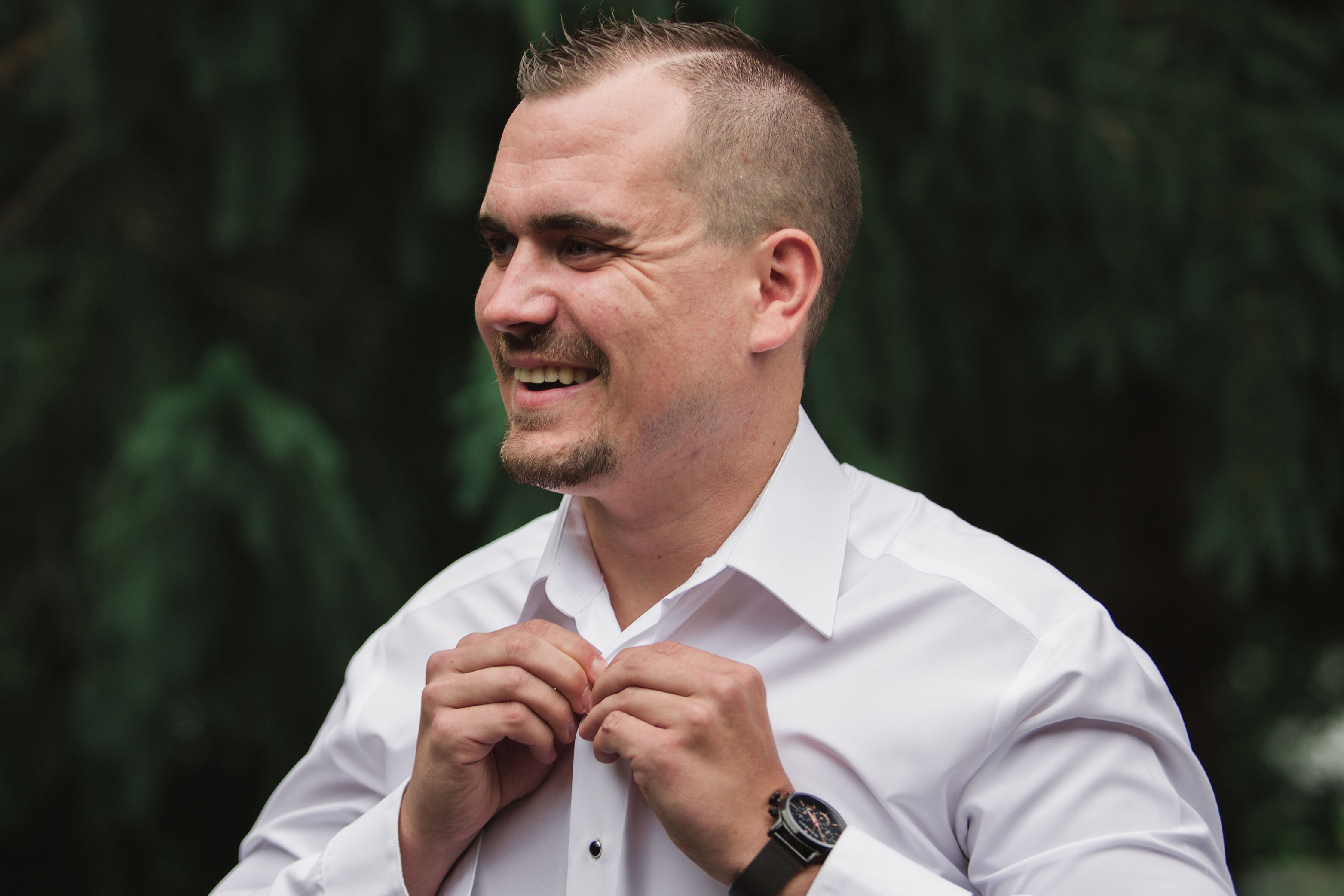
“Wes had such a light in him. You could feel it any time he was in the room. He was a big man and a bigger presence, with an easy humour that could make anyone laugh in any circumstance. He was also endlessly gentle and kind. He had this way of drawing people out, of making them feel comfortable, seen, and heard. It was hard not to fall for him. I didn’t try.
Wes started feeling sick — mild headaches, night sweats, a bit of fatigue — in 2020. Probably just stress, his doctor said. Wes had just started a new job, we were expecting our first child, and the world was gripped by COVID. Stress made sense.
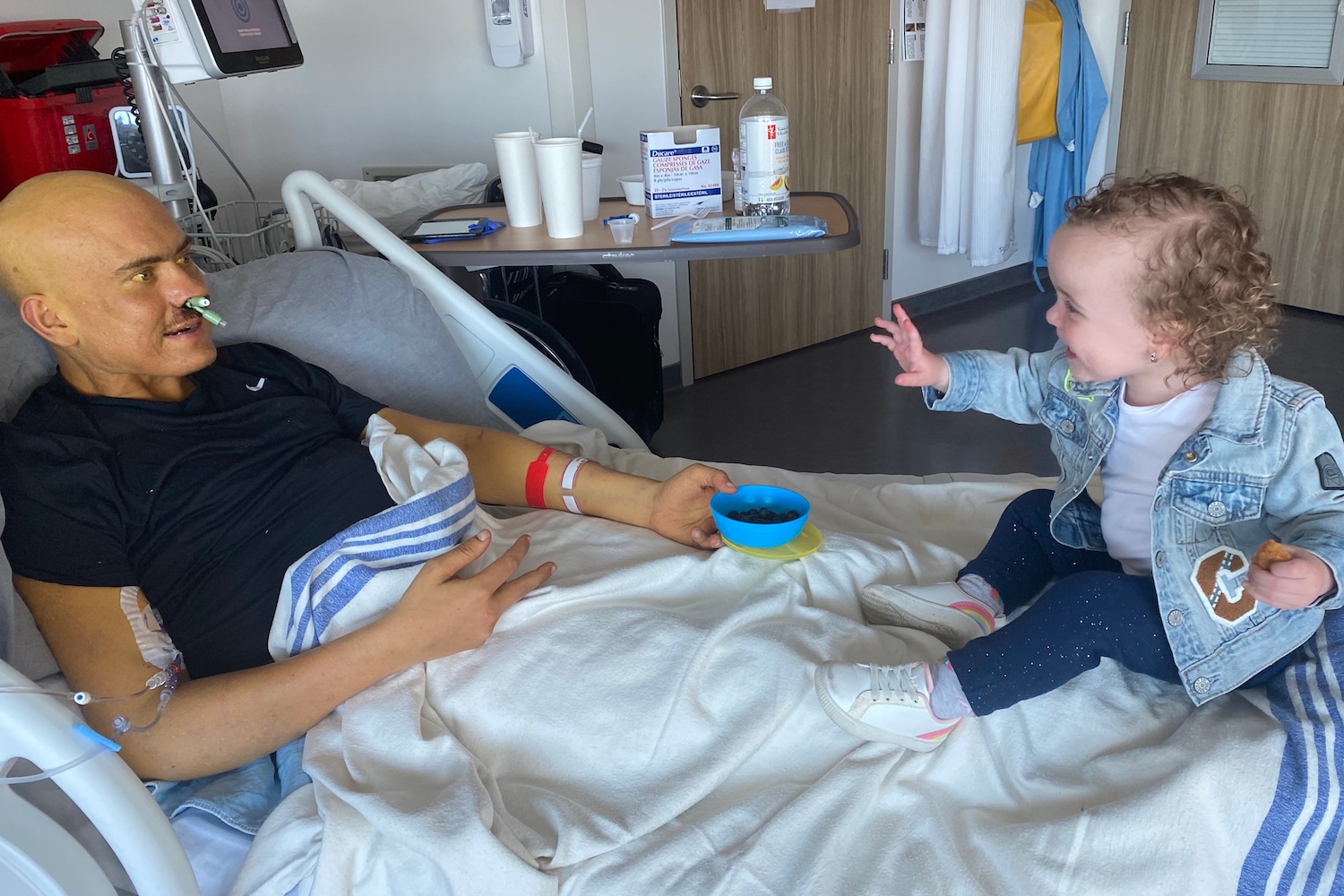
After our daughter Aubrey was born, though, Wes kept getting sicker. An unexplained whole-body rash. Fevers that would spike to 104. Weight loss. Overwhelming exhaustion. Hospitalization. Through all this, more than anything, he was heartbroken that he didn’t have the strength to be the dad he wanted to be. Wes had always given every drop of his energy to everyone so freely, and it pained him to find his reserves so low when he wanted to give the most. He was desperate to get better.
But no doctor could tell him what was wrong. He went through so many tests and had biopsies on every part of his body. They thought maybe he had cancer, maybe hepatitis, maybe some autoimmune disease, but nothing ever quite fit. Very early on they tested him for an extremely rare disease called hemophagocytic lymphohistiocytosis (HLH) and told us, this is the one you definitely don’t want it to be. The HLH biopsy was inconclusive and they told us that was good news. If it’s inconclusive, then it’s not HLH.
It wasn’t until a year later, when Wes was in the ICU with multi-organ failure, that we finally learned it was HLH after all. By then it was too late to do anything about it. Three months after the diagnosis, I was sitting at my husband’s bedside — as I had every day — telling him how much I loved him and how proud I was of him. And then I was telling the nurse it was time to take Wes off life support.
I was 29 years old. Aubrey was one. It was impossible to comprehend how much time we were going to have without his light filling the rooms we moved through.
We got one perfect weekend. Wes had been sick our daughter’s entire life and we still didn’t know why. But, a couple of months after Aubrey’s first birthday, another misdiagnosis led to Wes being prescribed a high dose of steroids that masked his symptoms completely for a couple days. We thought he was getting better.
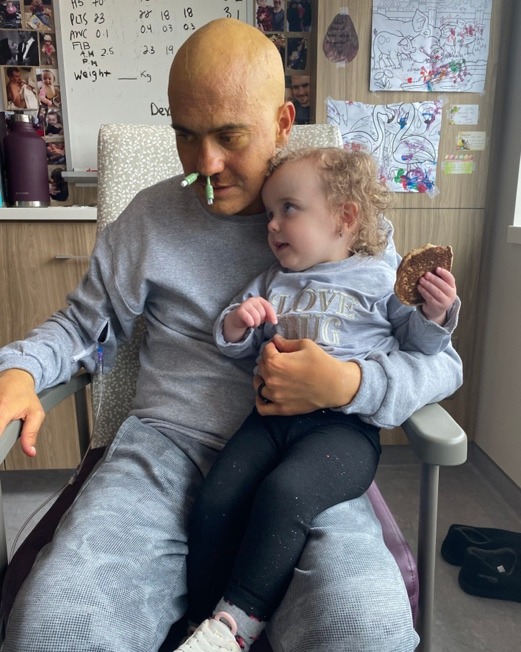
On Friday, Wes was so full of his old energy. We lay awake late into the night joking, talking, and planning for the future, just like we used to. Saturday morning, Wes jumped out of bed and raced to Aubrey’s room so they could spend the whole day together doing all the dad things he’d been too sick to do. They got Timbits. We were all so happy.
But it couldn’t last. Undiagnosed hemophagocytic lymphohistiocytosis (HLH) was already destroying Wes’s organs. By Monday, he was starting to feel sick again. A few months later, he was gone. Aubrey and I were alone.
I was very angry for a long time after Wes died. We might have had so many more good weekends if the doctors had gotten it right sooner. The anger protected me from sadness, but it also kept me from properly grieving for far too long.
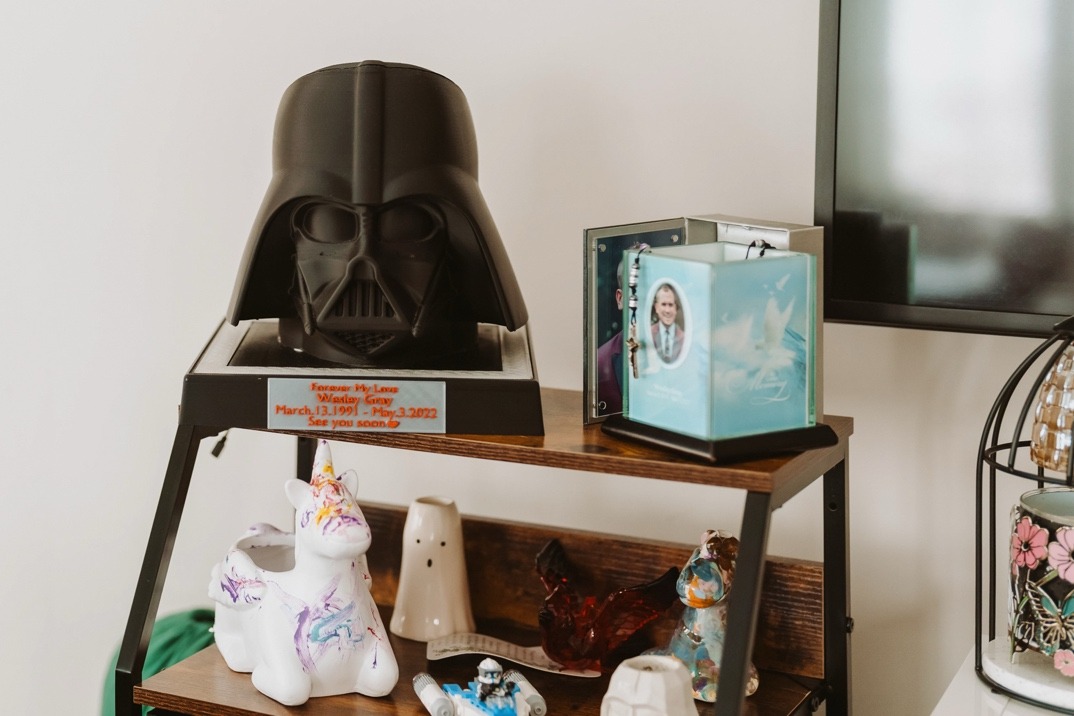
Finally I realized that as long as I was suffering, so was Aubrey. We couldn’t keep living with a Wes-shaped hole in our family. I needed to let myself become a new person, so Aubrey and I could be complete. But we also needed a way to carry Wes with us. Now we always say, Daddy gave us his love and we get to keep it. It’s there in our hearts, everywhere we go, forever.
These last four years, Aubrey has been my motivation to heal, grow, and give back. She has the biggest heart and she wants to help everyone. The children’s book I wrote to help her understand her dad’s death became a publishing project to share with the world. The suncatchers that hung in her bedroom and Wes’s hospital room to keep them connected became a symbol that now belongs to everyone in the grief community.
The more we connect with others and share Wes’s story, the more I realize Aubrey and I were never really alone. Wes was never really gone. Every time we say his name, he’s there. And that one perfect weekend will last as long as we’re alive to remember it.”
.jpg)