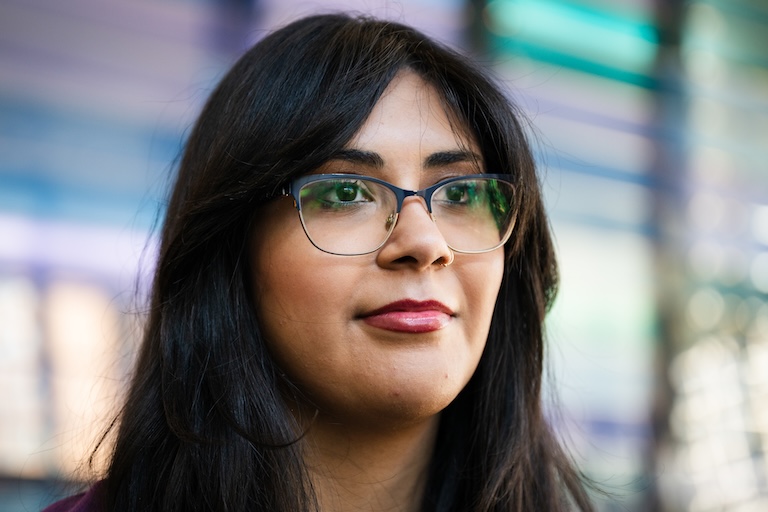

“When my sister suggested I might have ADHD, I told her there was no way. I was curious and creative and, yes, sometimes had trouble focusing and remembering. But that picture of a hyperactive little kid bouncing off the walls? That wasn’t me. I also rarely saw people who looked like me involved in conversations about ADHD, which made it harder to recognize in myself.
As a first-generation student from a Pakistani family, I grew up not talking about or knowing much about mental health. As school became more difficult for me, I told myself I was lazy or not working hard enough. Over time, I got better at masking my difficulties and finding ways to compensate to catch up with everyone else.
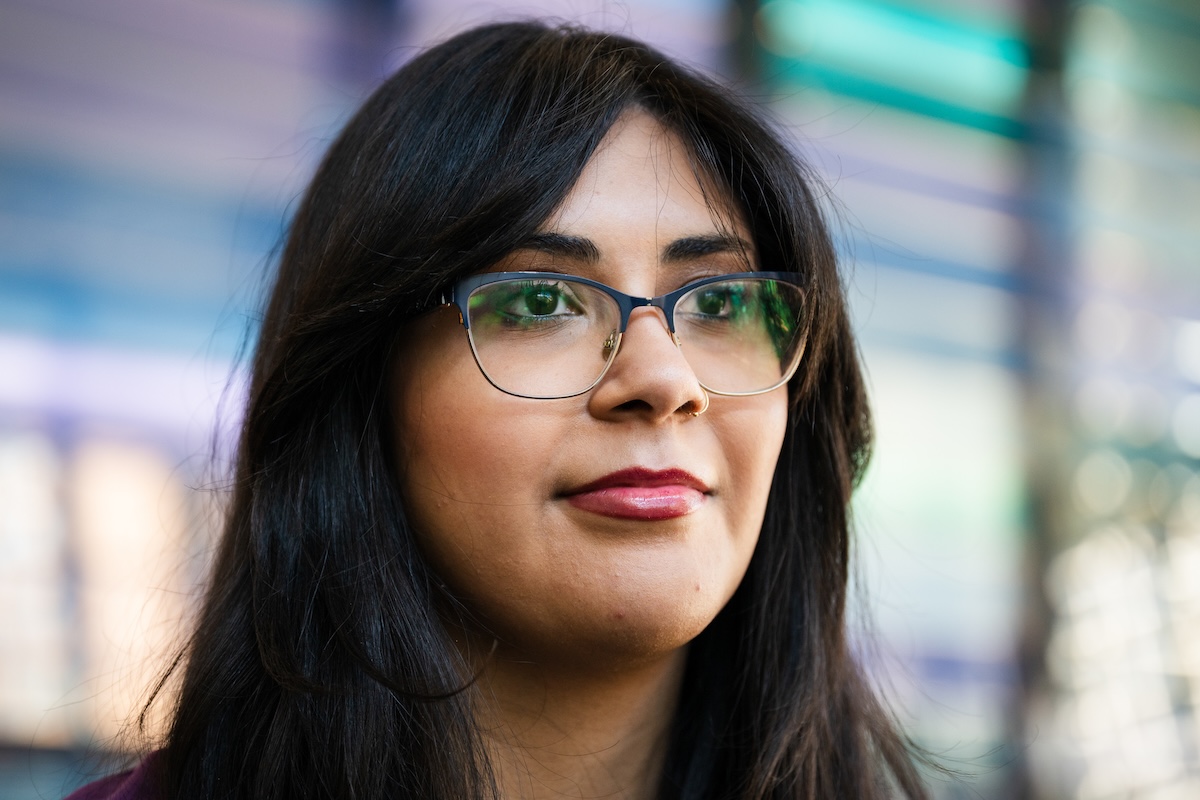
Near the end of university, I started meeting people who were neurodivergent and learned about ADHD. While trying to write the MCAT, I hit a wall. No matter how hard I worked and what strategies I tried, I just couldn’t concentrate through the hours-long exam.
“Getting appropriate medication was like putting on glasses for the first time after a whole life in a blurry world.”
I was also struggling with anxiety, depression, and burnout, so it was hard to tell what was behind my struggles. With support from friends,I connected with a University of Toronto psychiatrist. The diagnostic process was pretty straightforward. ADHD was one of the conditions identified, and, it turns out, doesn’t always look the way I’d imagined.
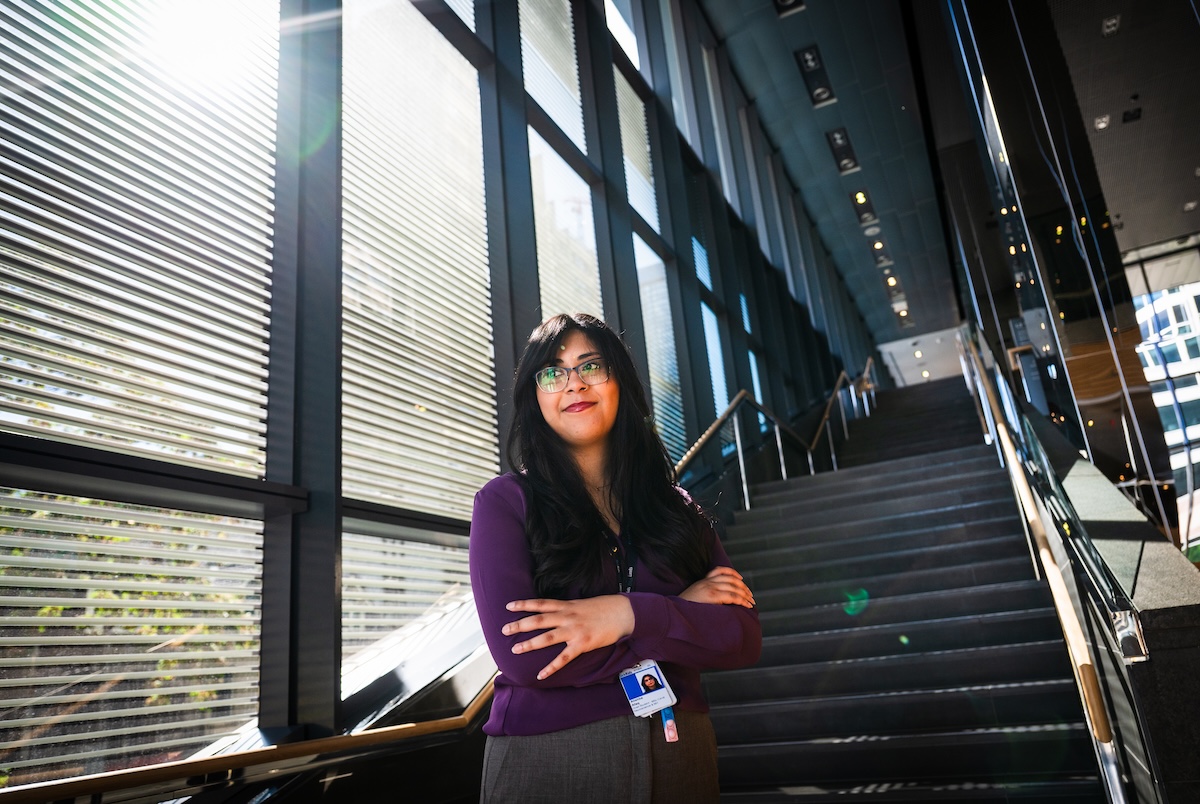
Getting appropriate medication was like putting on glasses for the first time after a whole life in a blurry world. I got accommodations from the school and found belonging and support in the ADHD community, inspiring me to volunteer and give back. And, most importantly, I was able to reframe my idea of myself — not as someone who’s lazy or incapable, but as someone who simply needs specific supports to perform at my best.
Today, I’m pursuing a PhD in physiology and studying how concussion can manifest as different mental health symptoms in male and female children. So much of the existing research into concussion and ADHD focuses on boys, which can lead to differences in how these conditions present in girls being overlooked, and that inevitably leads to delays in diagnosis and care for girls — delays just like the one I experienced myself.”
{{CTA}}