“I was born with my left leg broken. It was also drastically shorter than my right. I remember being in kindergarten and everyone was sitting cross-legged on the carpet, but my prosthetic didn’t let me cross my legs. So there I was, the only one in the whole class with one leg awkwardly jutting out.
As I got older, my prosthetics got better. My left leg was still a good nine inches shorter than my right, but I could cross my legs, I could run, I could jump. I’d always loved sports, but I’d never thought of myself as athletic. Once I had the right prosthetics, though, it turned out I was much more athletic than I’d realized.
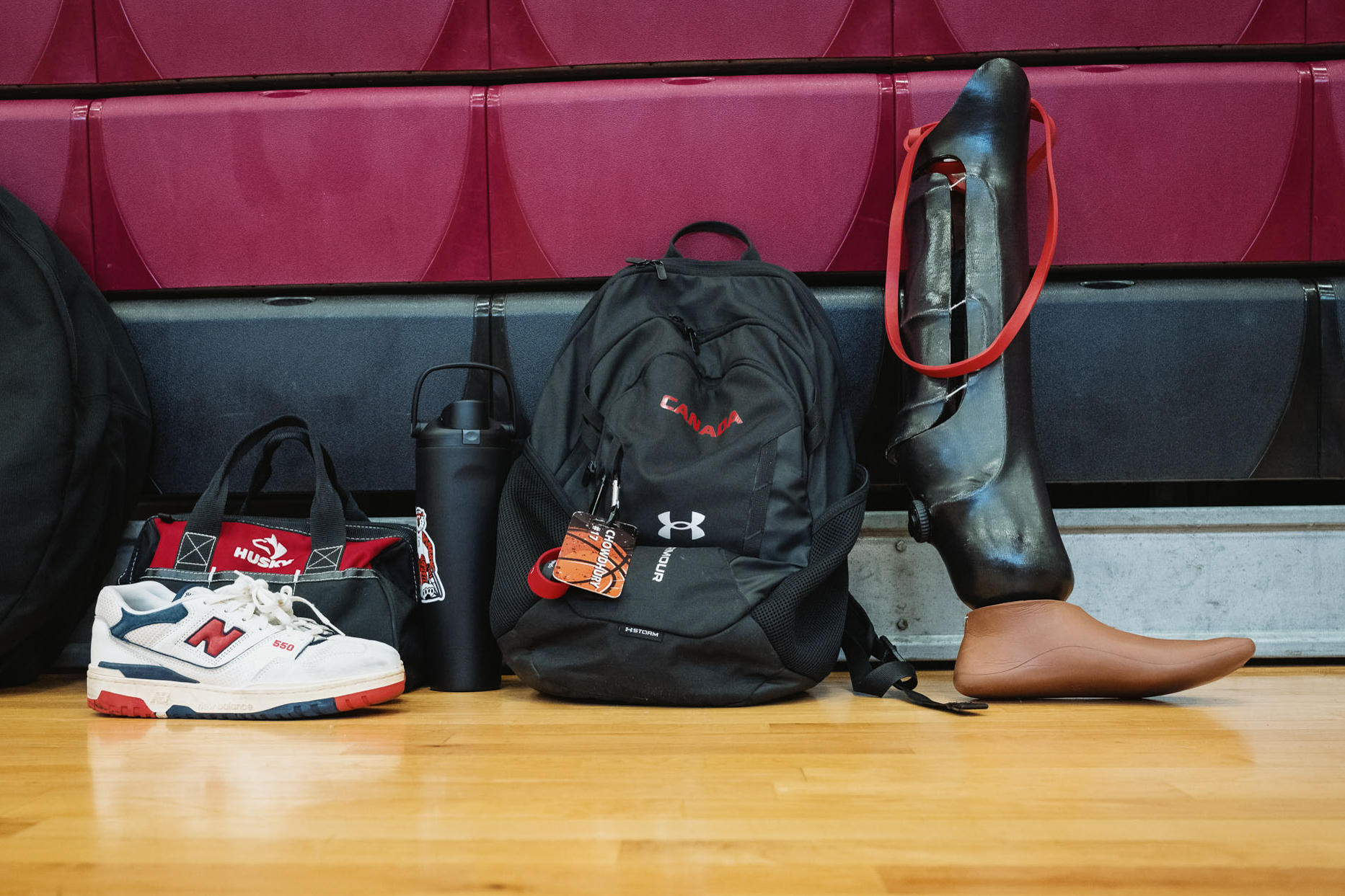
By grade 11, I was a libero on the high school volleyball team, representing the Toronto District School Board in triple-A competition at OFSAA. I’d worn sweatpants to the tryouts, and the coach hadn’t even realized I was disabled until I showed up to our first tournament in shorts with my prosthetic leg on full display. Sports became a huge part of my life, and competing as an equal in able-bodied sports made me feel a lot less different.
That’s probably why I came to parasport so late. I’d been approached about competing in sitting volleyball, but I was reluctant. There was still part of me that thought parasport was what you did if you couldn’t do ‘regular’ sport. Finally, when I was 17, I decided to give sitting volleyball a chance, and I learned straight away that it’s a whole new sport. I was hooked. Within a year, I was on the Canadian men’s sitting volleyball team, travelling internationally to major competitions.