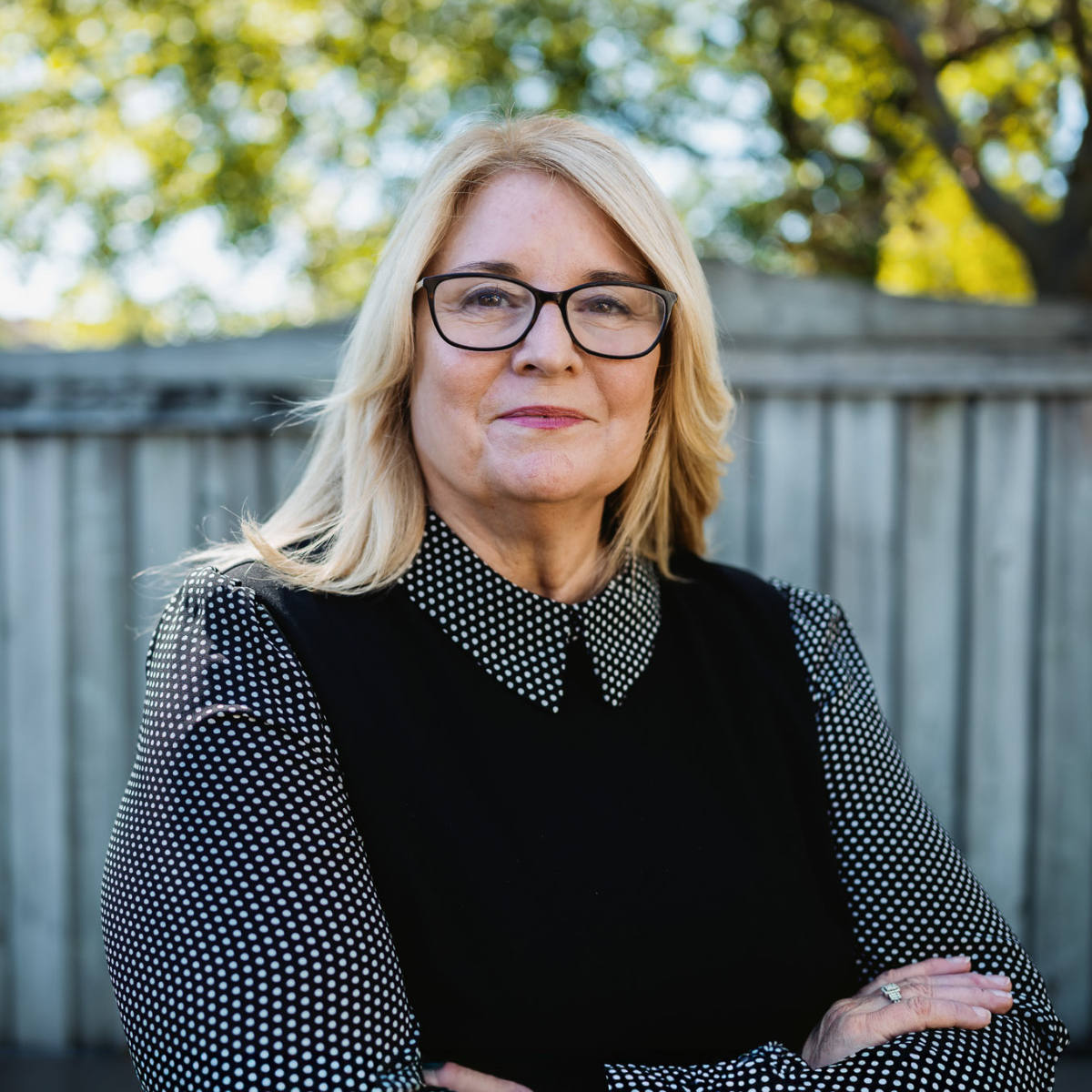

“I thought I was going to be a teacher. I’d always felt driven to make a difference in the world, and so I applied to teachers’ college with the belief that teaching was my best route to doing so in a meaningful way. I was still on the teachers’ college waiting lists when an opportunity came up for a fairly junior position at a large national charity working with children. I convinced myself that the skills and personal philosophy I’d been developing for the classroom might also be applicable at a charity. And once I found myself in the health not-for-profit world, I never looked back.
Over the last three decades in this career, I’ve moved between different disease and disorder spaces, always looking for that place where I could make the biggest difference, always striving to grow and learn and experience new things. But when I heard in 2025 that CADDAC (Centre for ADHD Awareness, Canada) was looking for a new executive director, the opportunity represented a purpose and meaning far more personal than anything I’d ever undertaken before.
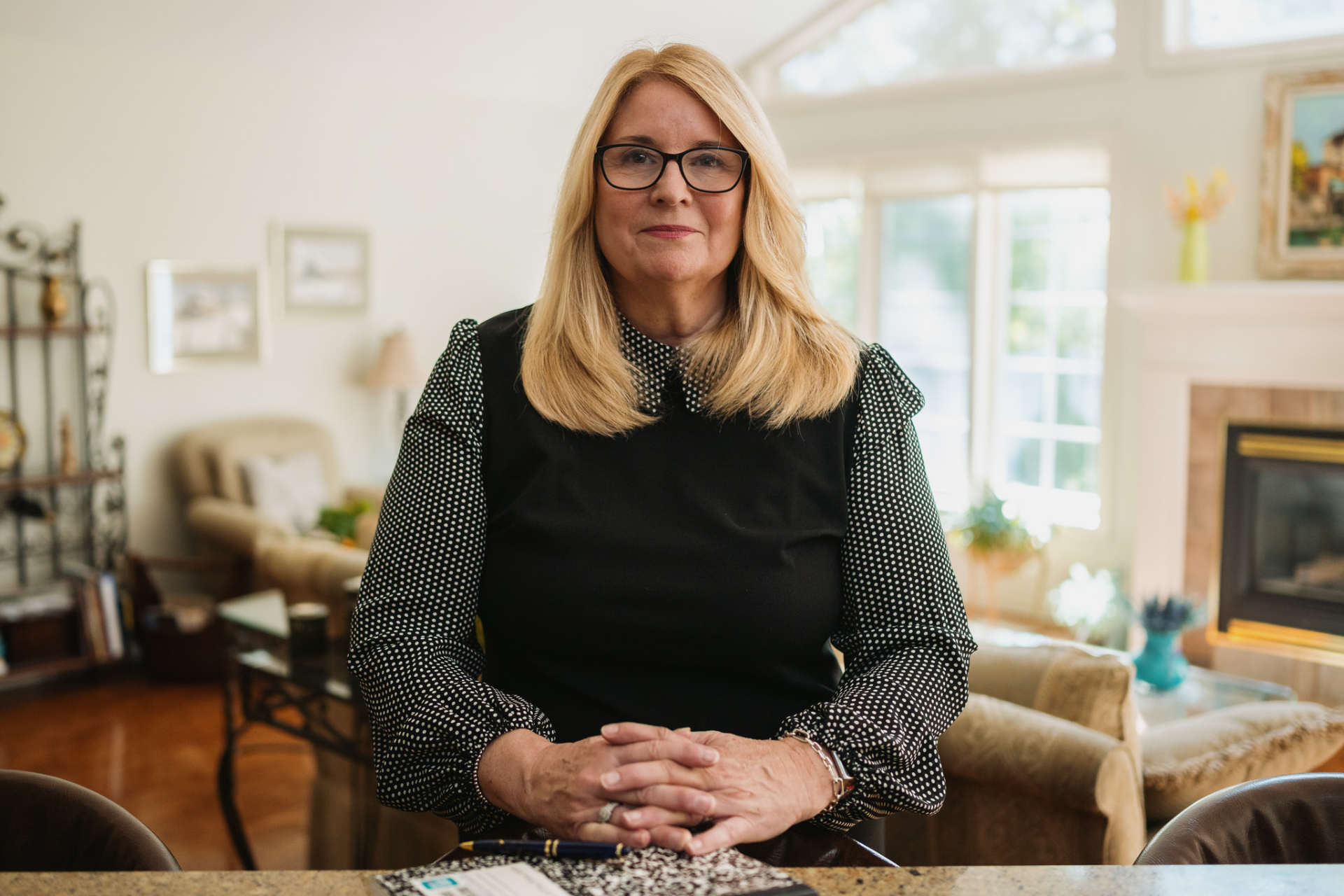
I’d just recently been diagnosed with ADHD myself, quite late in life. I was already deep in the work of learning about the many facets of this condition and how they recontextualized everything about my life. I’d reached the age where hormonal changes were happening in my body, and things that had always been challenging but manageable for me suddenly worsened to the point of being unmanageable. It was clear that something fundamental had shifted, but it was also clear that the root of these challenges had always been within me.
“I’ve heard from many who were diagnosed later in life that a sort of grieving phase is not uncommon. We look back and wonder why no one picked up on our struggles earlier. What if we’d had the proper supports all along? How could our lives have been different?”
Of course, I’d been living with ADHD my whole life, without knowing it. I’d spent decades developing techniques and strategies for managing it, without having a name for it. And I can remember all the times these strategies failed me, the times I felt like I wasn’t as smart or as motivated or as good as those around me. ADHD can leave a constant feeling of not quite making the grade, and it results in us being very hard on ourselves sometimes.
Now that I’m with CADDAC, I’ve had the chance to meet so many people who have had diverse ADHD journeys, some different from mine and some quite similar. I’ve heard from many who were diagnosed later in life that a sort of grieving phase is not uncommon. We look back and wonder why no one picked up on our struggles earlier. What if we’d had the proper supports all along? How could our lives have been different?
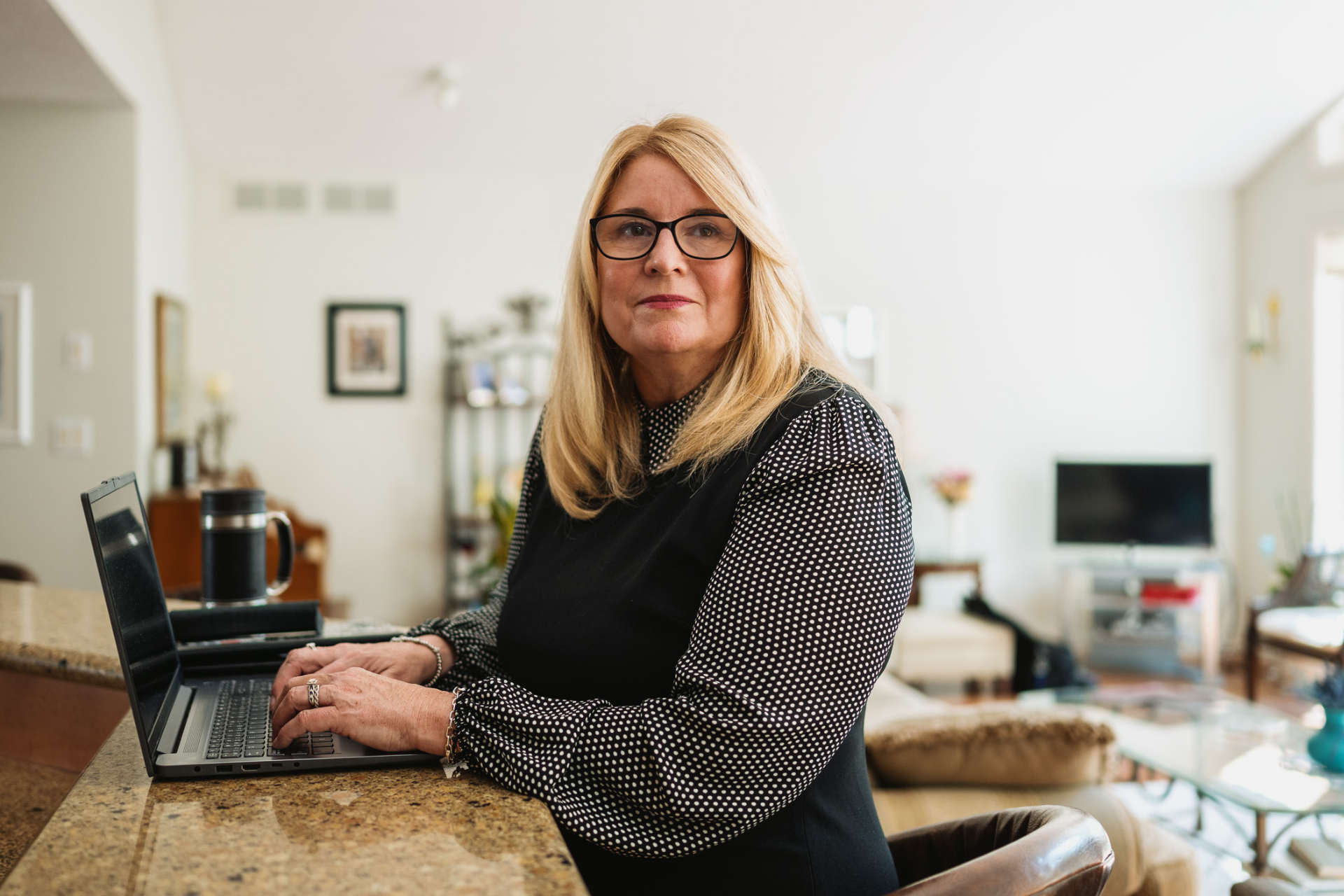
This is a serious condition affecting roughly 1.8 million Canadians of all ages, circumstances, and socioeconomic backgrounds. The need for education, awareness, and support is so large, and CADDAC is still a small national charity, trying to make things better on a shoestring budget. It’s incredibly hard work, and I’m grateful every day for the team I work with and the support they provide me when I need it. It motivates me not only to ensure that I’m there in turn to support them, but also to work toward a world where everyone living with ADHD can feel confident that the people in their lives understand them and are there for them.
We have so much to learn from each other. I’m still learning new things about ADHD every day, both personally and professionally. I thought I was going to be a teacher, but instead I’ve become a lifelong student. And there is no more rewarding classroom than the wider ADHD community. I marvel constantly at the patience, empathy, wisdom, and compassion demonstrated by everyone I interact with in this space.
When I think about why I do this, the answer is simple. It’s those people, and the positive impact on their lives that I’ve already witnessed in my short time with the organization. I’ve seen how badly people can suffer from unmanaged ADHD, and also how they can thrive when they’re heard and properly supported. It’s impossible to look at the gulf between those experiences, to know that you’re in a position to help bridge that gap, and to not do everything in your power to make it a reality.”