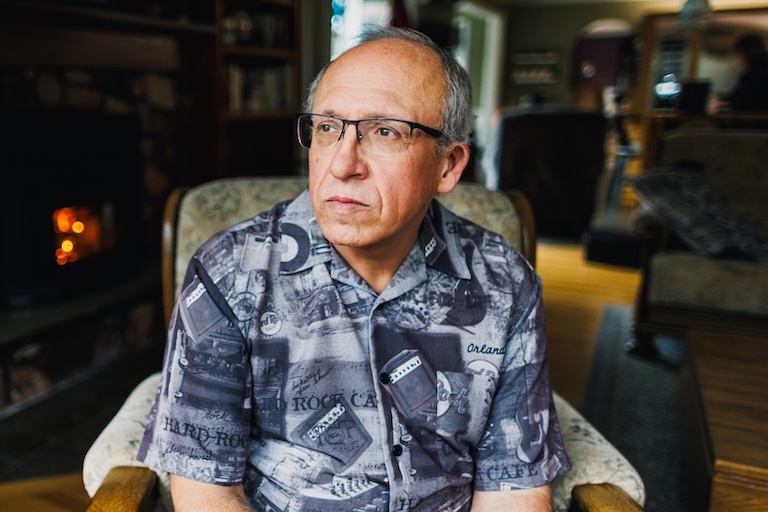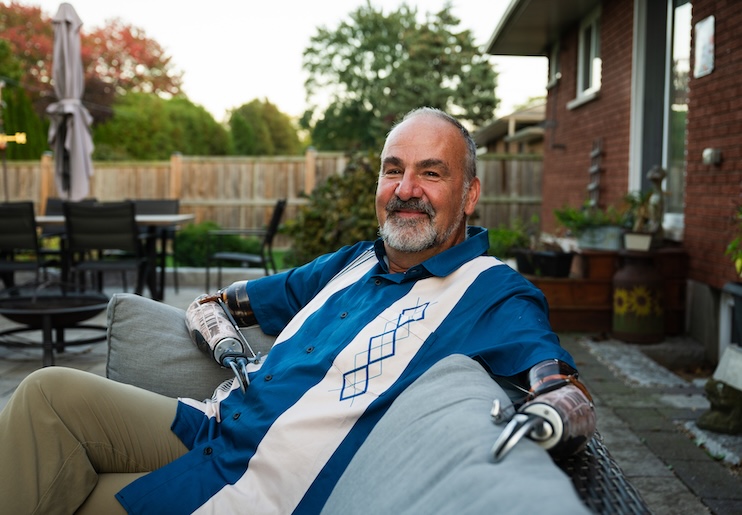

“I grew up on the shores of Lake Erie. In 1977, when I was 11, there was a snowstorm that many people my age will still remember. School was shut down, and my friends and I went looking for places to play. The electrical station in our neighbourhood had these big 10-foot fences that had drifted over with snow, making for excellent tobogganing. When we got bored of sledding, we started building tunnels and forts around the equipment. That’s when I accidentally touched a 27,000-volt transformer buried in the snow.
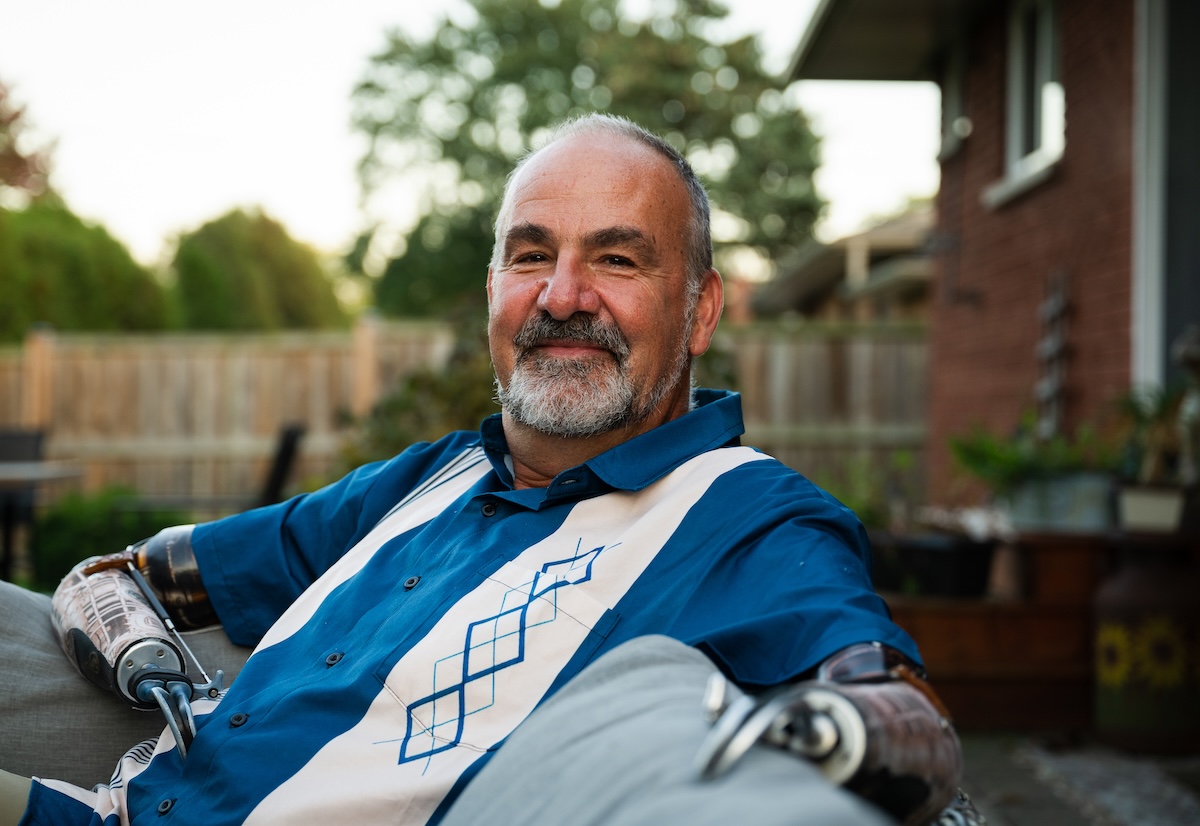
Both my arms had to be amputated above the elbow.
It’s natural, when something like this happens, to default to ‘why me?’ But fortunately, I had the wherewithal to quickly realize that the bigger question was ‘what now?’
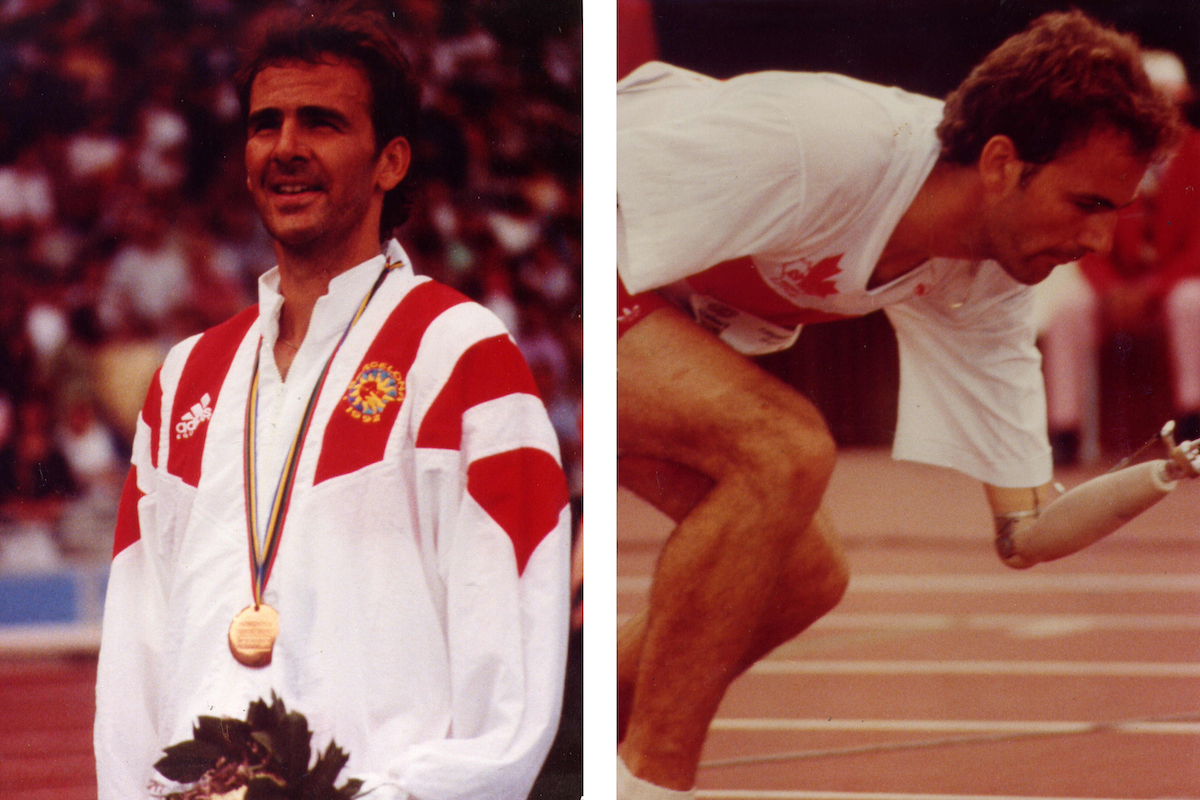
During the legal settlement, one of the lawyers argued that my life was essentially over because of this injury. I said to myself right then, well, I ain’t gonna let that be true. That mindset led me to three Paralympics podiums in Seoul, New York, and Barcelona and fuelled my success as an entrepreneur.
People sometimes ask me what I can’t do as a prosthetics-wearing double-arm amputee. I have a hard time coming up with answers. I can’t play piano. I can’t use chopsticks. Light bulbs are a bitch. But I’ve raised a family, managed my own horse farm, and run a publishing company for 30 years. I can do pretty much anything. But, as any disabled person will tell you, it takes more energy — both cognitively and physically — to get through the day. I’ve learned to be very thoughtful about where I spend that energy.
I spend it mostly on people. I’ve been blessed with an ability to bridge communities and share perspectives, especially between marginalized groups. When I talk with my able-bodied friends in the Black community, for example, or the queer community, I’m often struck by how similar our experiences have been in terms of stereotypes, discrimination, and microaggressions. I don’t necessarily buy into the idea that my disability made me a better person, but I can’t deny that it has helped me develop a valuable empathy, an open-mindedness, and an appreciation for the intersectionality of our lives.”