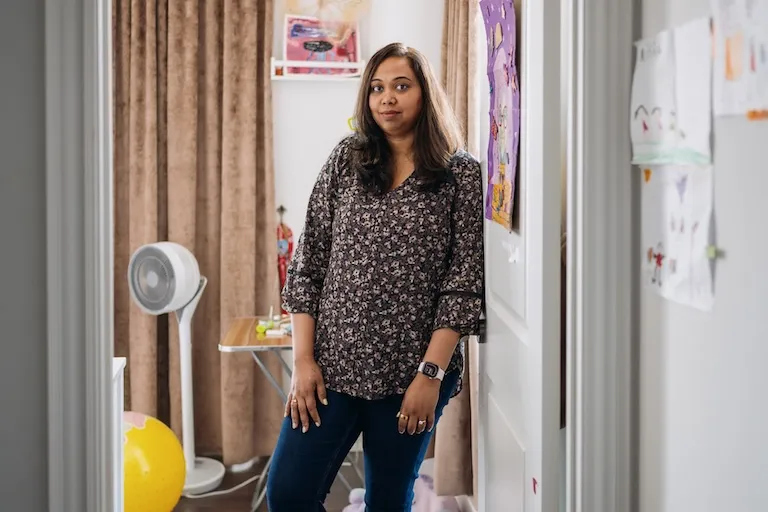


“I loved growing up in Bangalore. It’s such a beautiful, vibrant, modern city with so much going on. Everything you could ever want to experience, you can find it there. The Garden City of India, they call it. The Silicon Valley of India. But it’s not the best place to live with migraine.
I developed the abdominal symptoms of migraine when I was six years old, which over time also impacted my mental health, including anxiety, stress, and depression. I had a very hard time articulating what it felt like to my parents, let alone to doctors. There was no migraine diagnosis. Instead, there was a lot of ‘I think she’s just trying to get out of school.’ There was a lot of ‘it’s all in her head.’
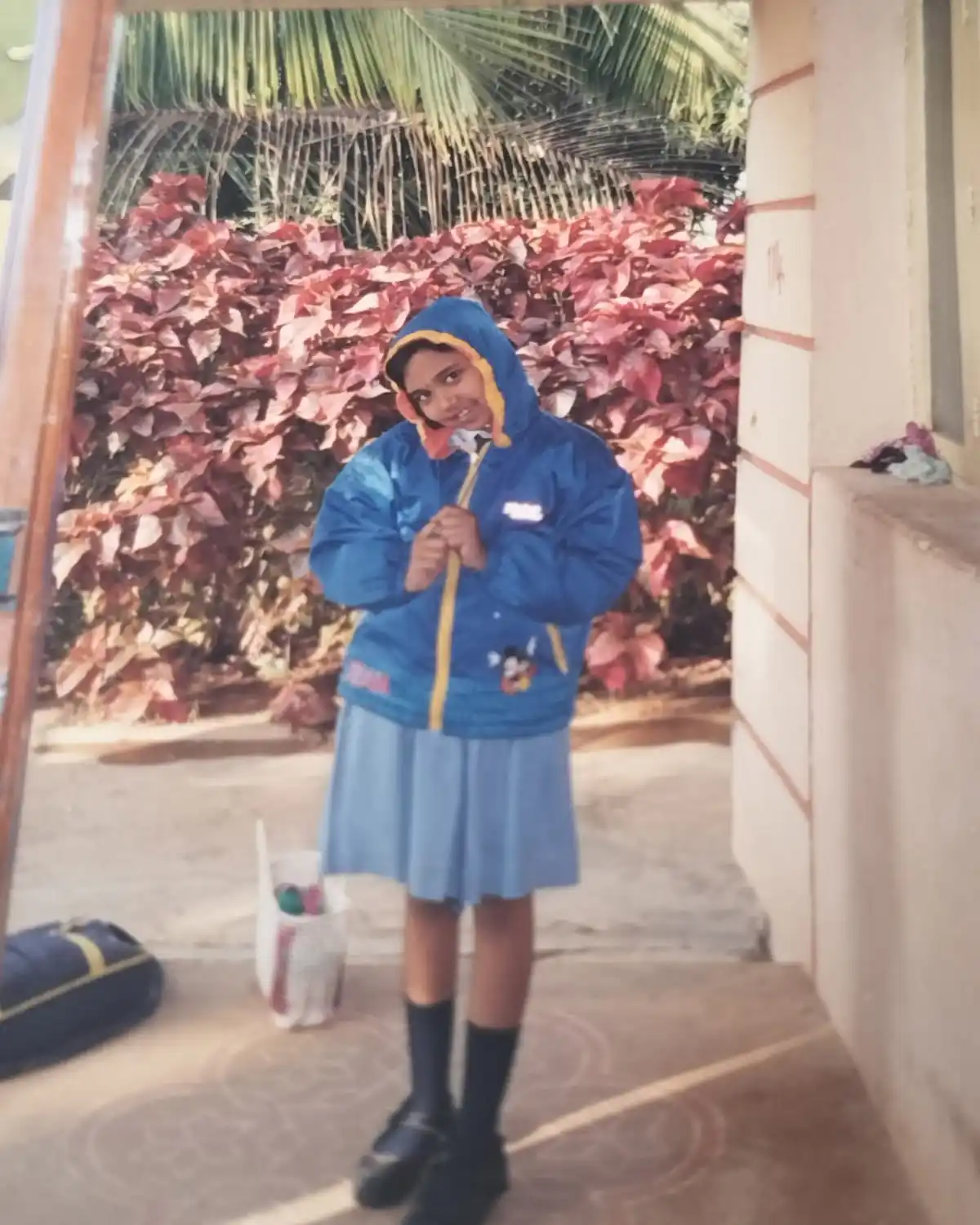
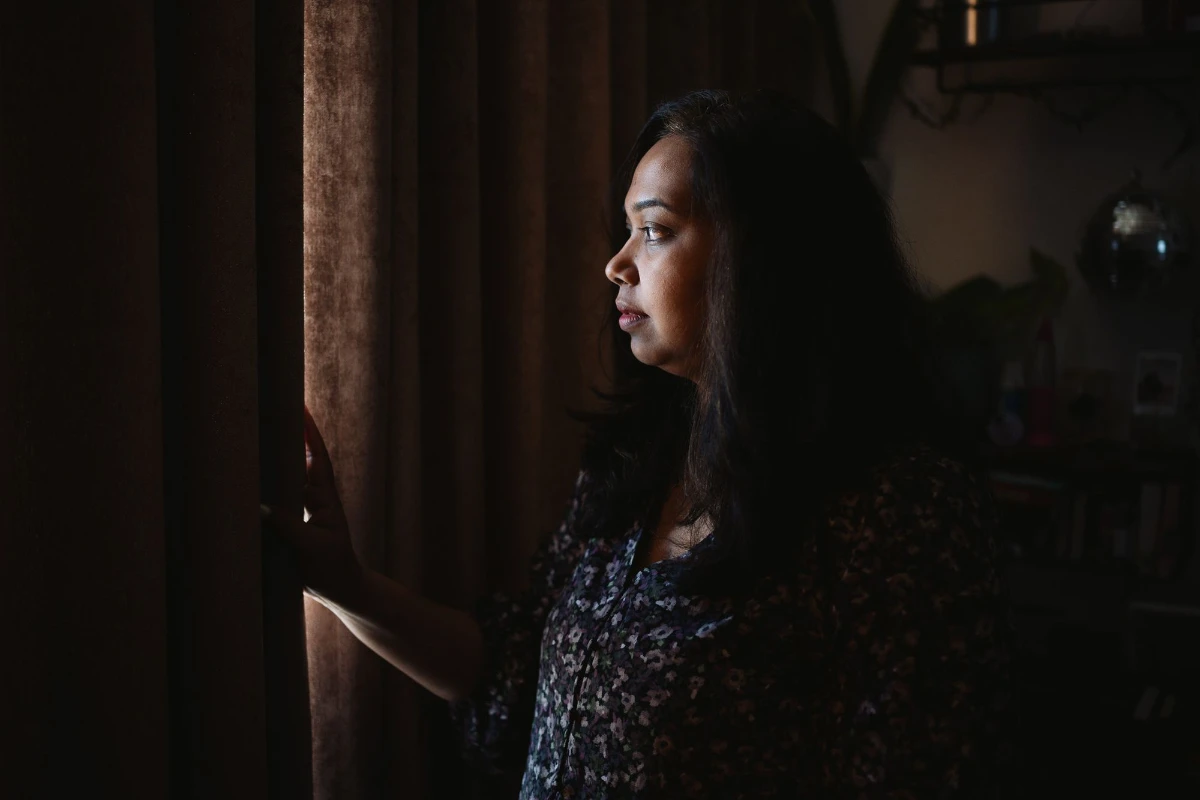
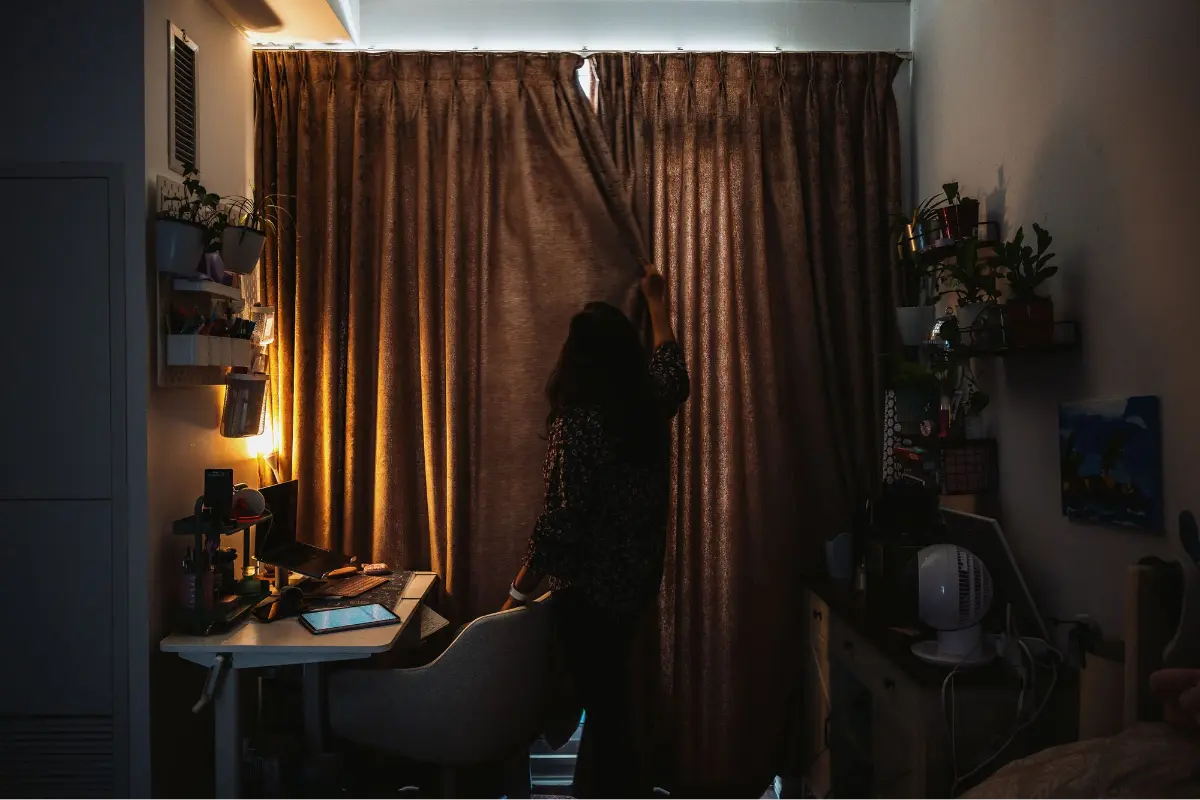
Once the headache symptoms appeared at 13, I did get a diagnosis for my condition. What I didn’t get was a treatment that worked for me. It became impossible to live normally especially in such a bustling city. I couldn’t tolerate the lights, the sounds, the smells. I started having a very hard time around large groups of people. These things would cause me so much stress, and the stress would overflow into a migraine attack at the slightest provocation. I was in pain all the time, living at an eight out of ten every day. It changed who I was, and I didn’t like who it made me.
Migraine is a serious neurological disease that affects an estimated 5 million Canadians. Despite its prevalence, it is not always well understood by health professionals, which can delay diagnosis and leave people with migraine dealing with symptoms and challenges without personalized treatment.
Suspect migraine? Download the guideDownload the guide to help your next conversation with your primary care provider.

DID YOU KNOW?
Today, decades later, I look back and I can see how my life started to get away from me the moment the headache symptoms appeared. People with migraine fight so hard not to be left behind. We chase the life we expected, running faster and faster, and putting ourselves last with every step. We just end up burnt out and broken down, and we still never catch up. We have to learn to pace ourselves, to stop when our bodies tell us to stop.
After our daughter was born, my husband and I had the opportunity to move to Canada, and there was so much appeal to the idea of living somewhere a little quieter, a little slower-paced. A good education system for our daughter, a good health care system for all of us. We figured we could get used to the cold.
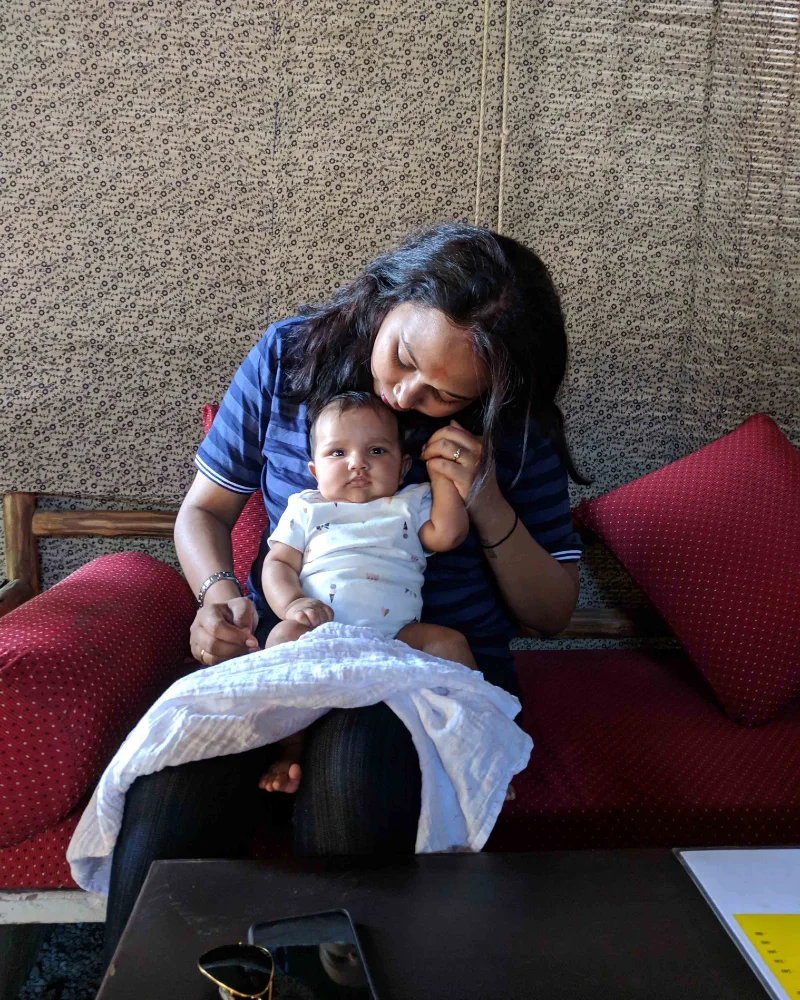
Right around the time we made the move, though, my migraine attacks became much worse. I found myself sitting for 24 hours in the ER, only to be told to go home and take an over-the-counter painkiller. And, when I tried to explain why that wouldn’t work for me, I was dismissed. For me, Canada, it turns out, is also not the best place to live with migraine. Here, as in India, I’ve had a very hard time being taken seriously. And I didn’t have the words or tools to communicate what I needed. I didn’t even know what I should be trying to communicate.
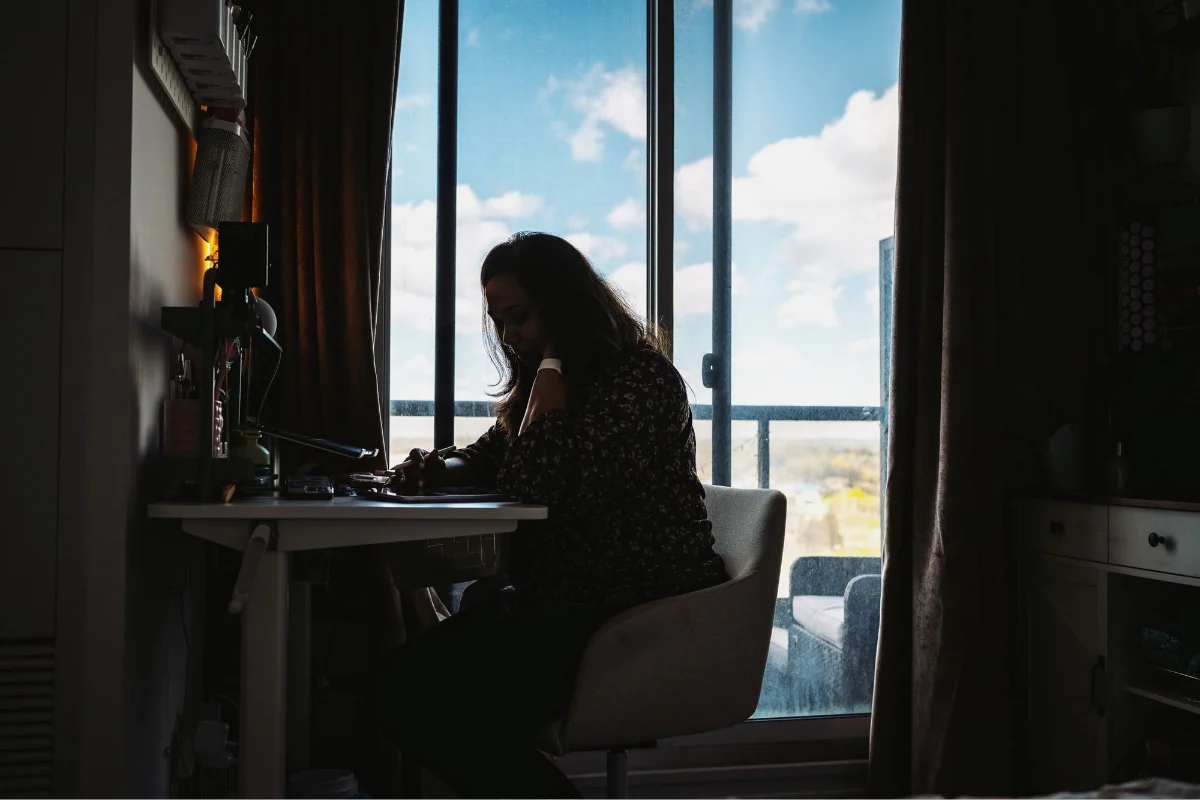
I suffered without help. It was the worst phase of my life. I started having serious issues with concentration and memory, to the point where I couldn’t do my job as a writer. I had to make a conscious decision to abandon my career and stay home with my daughter, but I also felt like a terrible mom. When my daughter would cry, I couldn’t process anything but the sound. I could barely parent her. I could barely brush my own teeth. I moved through each day in a fog of pain, just trying to keep us alive.