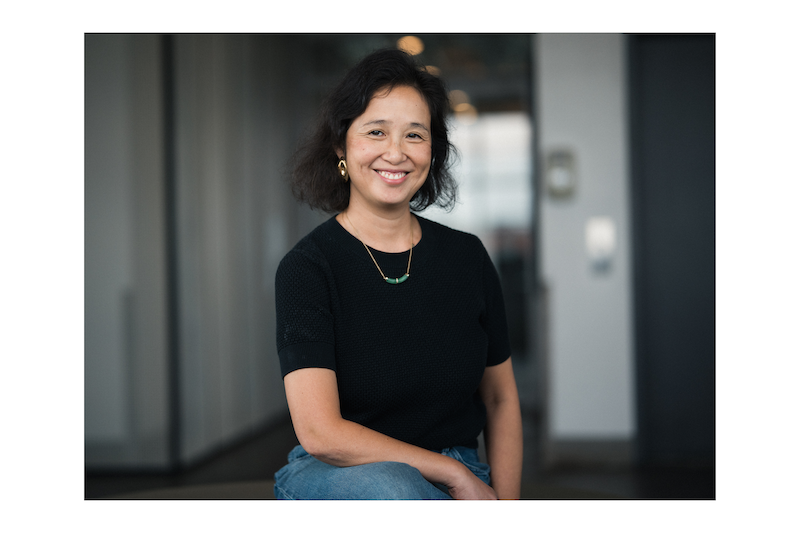


“In 2013, it would have been impossible to imagine I’d be running a health charity someday. I already had a career in advertising. Plus, I had a three-year-old daughter at home, and I was eagerly expecting a second. I was young, happy, and very busy. And, aside from a cold that wouldn’t go away, I was perfectly healthy.
I wasn’t worried about the cold. My husband had it, too. Everyone at my daughter’s daycare had it. Then, on a Sunday, I went in for a routine blood test. On Monday, I was sitting in the maternity ward, listening to new lives begin all around me as I was given what felt like a death sentence.
I didn’t have the cold everyone else had. Acute myeloid leukemia, they told me. Aggressive. But I couldn’t start treatment while I was pregnant. And treatment couldn’t wait. I felt every emotion possible. But most of all, I knew I needed to survive for my three-year-old daughter.
And so, on Wednesday, I didn’t have the baby anymore. On Friday, I started chemotherapy.

For two months, I was in isolation in the hospital, unable to see my daughter. Then, finally, the treatment put my cancer into remission. I was back home with my family. I was back to work. I thought I was done. But 10 months later, the cancer came back. And this time chemo wasn’t going to cut it. I needed a stem cell transplant. That’s when the real bombshell dropped.
They couldn’t find me a donor. And the reason they couldn’t find me a donor was because I’m Vietnamese. It was like a slap in the face. I’d been so sure the hardest part was behind me.
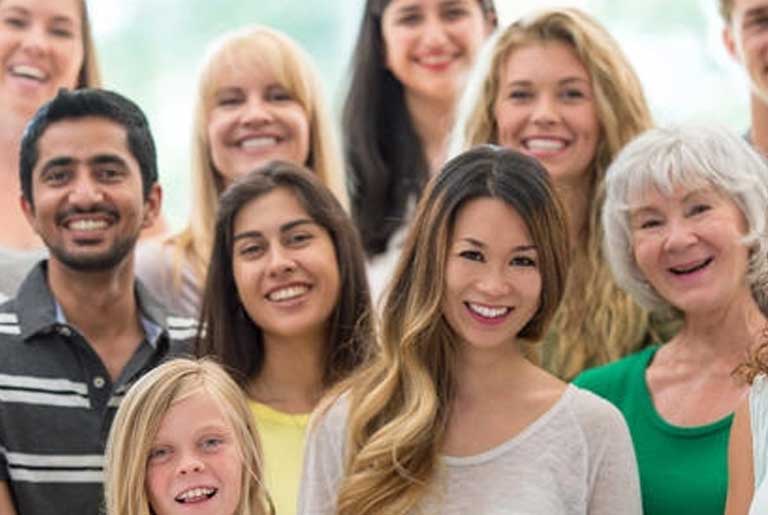
The thing was, only another Vietnamese person was likely to be genetically similar enough for a match, and there were almost no Vietnamese people in the donor registry. Somehow, in the face of this, I had to find a donor within the next two months, or else it would be too late. Scrambling under a ticking clock, I was shocked to learn just how huge the problem was. Not only here in Quebec, but worldwide. Seventy per cent of the world’s registered stem cell donors are white. Eighty five per cent of the world’s population is not.

In the end, I got very lucky. I was able to receive a transplant thanks to another mom I never had the chance to meet. She’s the only reason I’m still here. The only reason my daughters still have a mother. The only reason my younger daughter even exists. She didn’t just save one life. She saved a whole family. Not everyone gets the same chance as me.
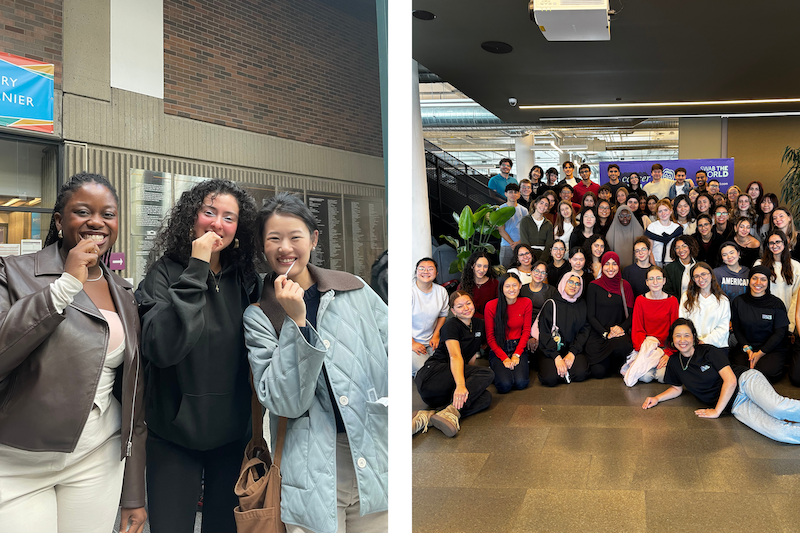
Talking to doctors, I’d come to understand that the lack of diversity on the donor registry was fundamentally a problem of awareness and communication. It dawned on me that, amazingly, my advertising career had equipped me with exactly the knowledge and the connections to make a difference. And so began Swab the World.