

“I was in my 20s when the fatigue began to hit me hard. On the one hand, it made a certain amount of sense. I was on the road all the time for work in pharma sales. I was playing hockey. I was always busy on weekends. I was burning the candle at both ends and never really took a moment to rest. On the other hand, I’d always lived my life like this, and I’d never felt so tired before.
Then the indigestion and skin symptoms began. I started doing a lot of research, trying to figure out if there could be one root cause for everything. I found something called common variable immune deficiency (CVID), a disease where the body doesn’t produce enough immunoglobulins. It’s super rare, but it matched all my symptoms. When I brought it up to health care providers, they all said, no, it doesn’t fit. You’re too healthy.
It was CVID. That’s not to say those professionals were wrong to be skeptical about a rare diagnosis that usually presents much more aggressively. But all the markers were there in my charts if someone looked closely. Growing up, I’d had recurrent sinus infections that I’d always attributed to seasonal allergies. Nope, that was CVID. My immunoglobulin counts had also been flagged during an earlier screening for Crohn’s and colitis. CVID again.
My health care team did eventually find their way to the right diagnosis, and I got on a treatment that’s been an absolute game-changer for me. But I could have gotten here faster.
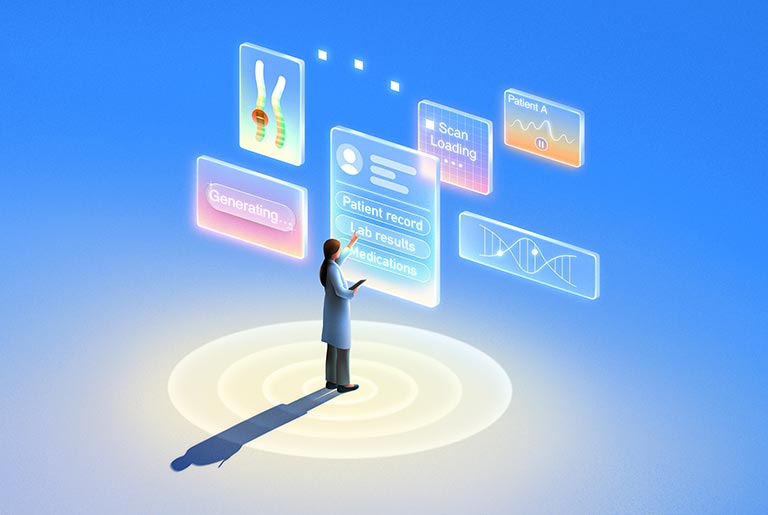
There are big gaps in our diagnostic and therapeutic processes. Gaps that could be bridged by technology. And, while I learned about CVID through my own research, self-diagnosis isn’t the answer. Not with Dr. Google, and certainly not with Dr. ChatGPT. That said, there’s a huge opportunity forAI to be integrated into the process on the health care practitioner side, auditing charts and flagging things an overworked doctor might otherwise miss. An algorithm is never going to be a doctor, but it can support one.
So that’s my new mission. I’ve come out of this experience transformed into an advocate and entrepreneur, dead set on making the health care experience better for both patients and doctors.”
{{CTA}}